-
Stanbic IBTC Bank has launched a cross-border payment service that lets Nigerian businesses start transactions in naira and settle directly in Chinese yuan. The bank said the platform, unveiled in Lagos on Monday, November 9, can complete payments within 24 hours through China’s Cross-border Interbank Payment System, compared with the 48 to 72 hours common on conventional routes.
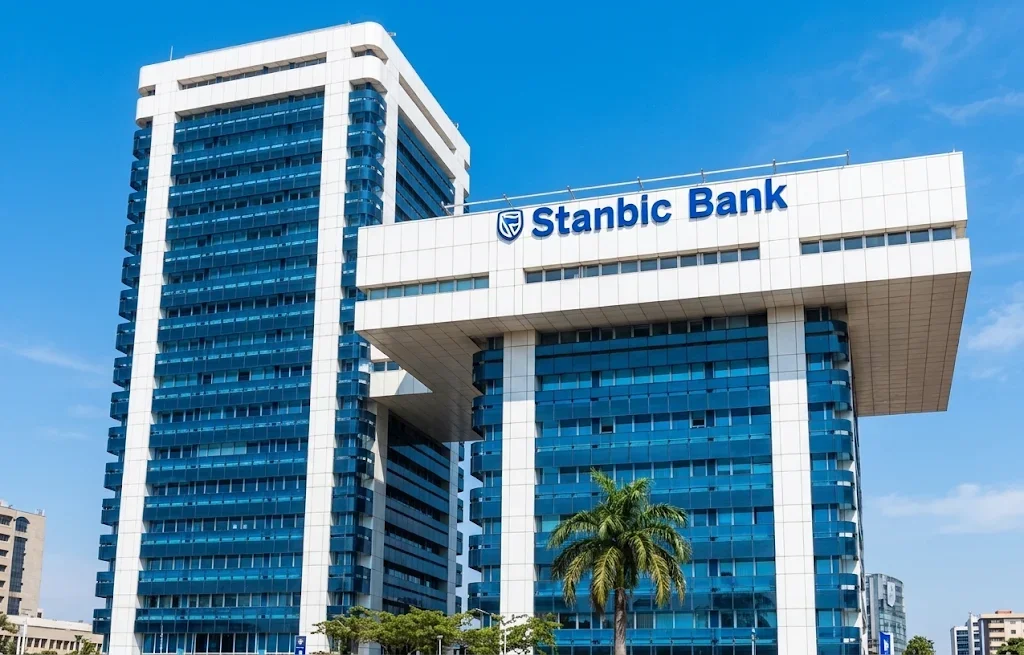
Stanbic IBTC Bank has introduced a cross-border payment platform that allows Nigerian businesses to initiate transactions in naira and settle directly in Chinese yuan.
The bank unveiled the service in Lagos on Monday, November 9, according to reports published on November 11 by Punch and The Guardian.
Stanbic IBTC said the platform is linked to China’s Cross-border Interbank Payment System, known as CIPS, through Standard Bank Group, its parent company and a direct participant in the Chinese payment network.
According to the bank, the new route is designed to shorten payment timelines for businesses that trade with China. It said conventional cross-border payment channels can take between 48 and 72 hours, while transactions processed through CIPS can be completed within 24 hours.
The bank also said the service is targeted at Nigerian importers, manufacturers and other companies that regularly pay suppliers and business partners in China.
Stanbic IBTC said the platform is intended to reduce the use of intermediary banks, limit multiple currency conversions and cut settlement uncertainty in naira-to-yuan transactions.
The launch adds a direct banking option for firms that need to move money from Nigeria to China for trade-related payments. For businesses already dealing with Chinese suppliers, the main change highlighted by the bank is a shorter settlement window and a payment structure that begins in naira and ends in yuan.
Why it matters
China is a major trading partner for many Nigerian businesses, especially importers and manufacturers that source goods, machinery or inputs from Chinese suppliers. A direct naira-to-yuan payment route may simplify how such firms settle invoices by reducing extra steps in the payment chain.
The most notable claim from the launch is the time contrast: up to 24 hours on the new system versus 48 to 72 hours on conventional routes. If that timing is achieved in regular use, it could help businesses manage supplier payments with less delay and less uncertainty around settlement.
What it means for your money
BODY - [Impact on prices, rent, jobs, savings etc]For most individual Nigerians, there is no immediate direct personal-finance impact stated in the available facts. The service is aimed at businesses that make payments to suppliers and partners in China, particularly importers and manufacturers.
-
What to watch now is how quickly Nigerian businesses adopt the platform for routine China-related payments. It will also be important to monitor whether users consistently see the shorter settlement time and reduced reliance on intermediary banks described by Stanbic IBTC.
Further details on access, transaction processes and business uptake may emerge as the service begins wider use.
Stanbic IBTC’s new platform gives Nigerian businesses a direct way to start payments in naira and settle in yuan through China’s CIPS network, with the bank saying transactions can be completed within 24 hours instead of the 48 to 72 hours common on older routes.
Five stories, the key numbers, and why they matter. Free, no ads.
Subscribe free