-
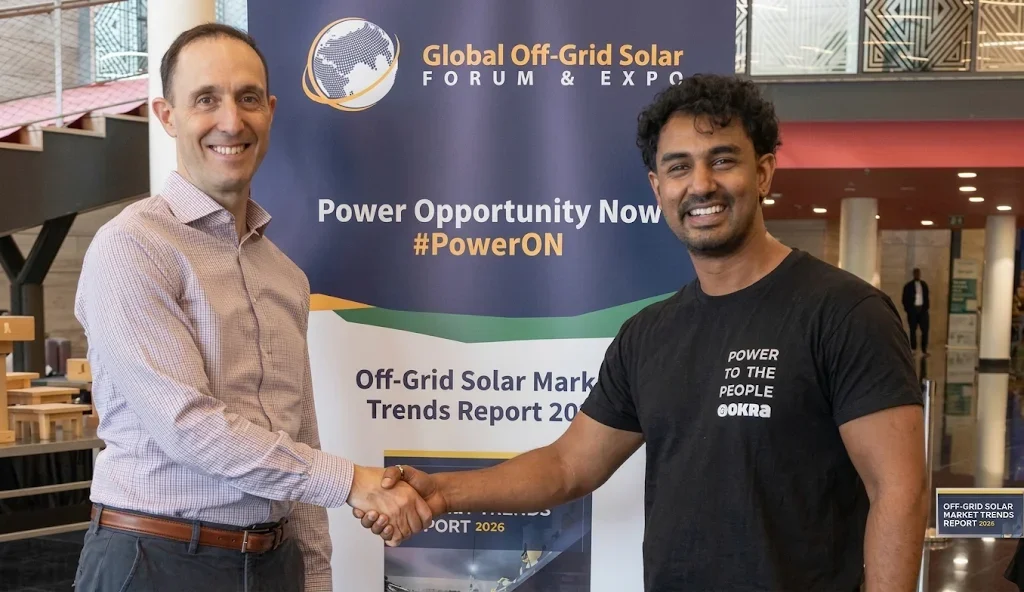
British International Investment has announced a $7 million debt facility for Okra to help expand access to reliable and clean electricity in off-grid communities in Nigeria and other target markets. Okra provides mesh-grid technology that links households and businesses through decentralised power networks for areas not adequately served by the national grid, according to a November 11, 2026 report by Punch.
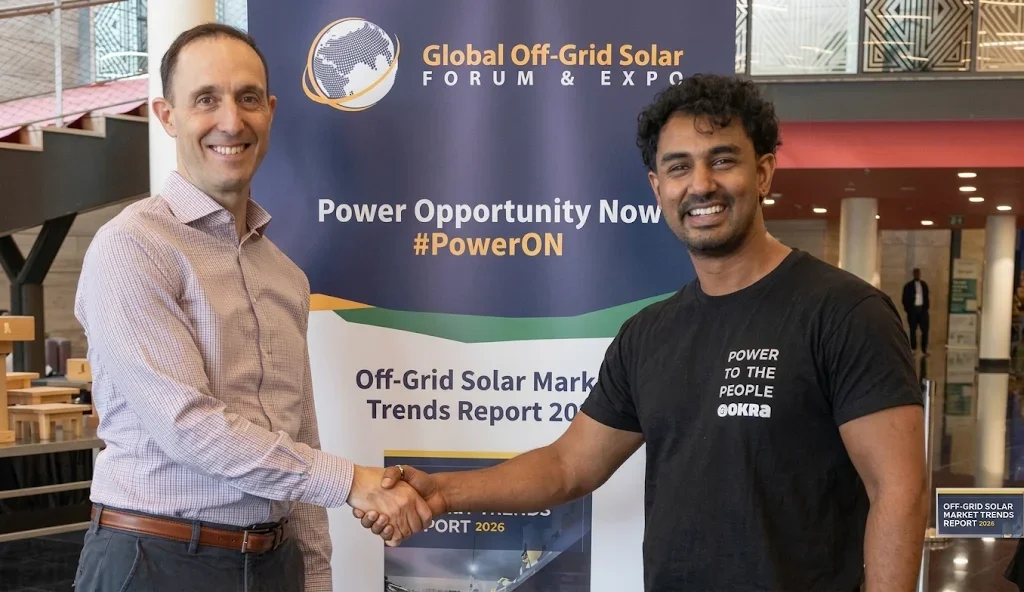
British International Investment has announced a $7 million debt facility for Okra, backing the company’s push to expand off-grid electricity access in Nigeria.
Okra provides mesh-grid technology for communities that are not adequately served by the national grid. Its system links households and businesses through decentralised networks designed to deliver more reliable and cleaner power in areas outside regular grid coverage.
According to Punch’s November 11, 2026 report, the new financing is intended to accelerate access to reliable and clean electricity for off-grid communities in Nigeria and other target markets.
The funding comes from British International Investment, the United Kingdom’s development finance institution and impact investor. The financing was presented as part of wider UK-Nigeria cooperation on sustainable development and energy security.
The announcement adds to the growing focus on decentralised power solutions as many Nigerian homes, small businesses and rural communities continue to deal with unreliable grid electricity. In that context, off-grid and community-based energy systems are increasingly being positioned as practical alternatives for places where grid supply remains weak or inconsistent.
While the announcement confirms the size and purpose of the facility, the supplied facts do not state rollout timelines, specific project locations or the number of households and businesses expected to be connected.
Why it matters
The development matters because electricity reliability remains a major issue across Nigeria, especially for rural communities and small businesses outside strong grid coverage. A financing package targeted at off-grid infrastructure could support wider access to cleaner and more dependable power where the national grid does not adequately serve demand.
It is also notable as another example of development finance being directed at Nigeria’s energy access gap, with the investment framed within UK-Nigeria cooperation on energy security and sustainable development.
What it means for your money
For many Nigerians, the direct personal-finance effect is not immediate from the announcement alone. However, the broader issue is financially important because unreliable electricity often raises energy costs for households and businesses that must rely on alternative power sources; the supplied facts do not quantify any savings from this facility.
-
The key next step to monitor is how Okra deploys the $7 million facility in Nigeria and other target markets. Readers should watch for confirmed details on project locations, deployment pace and the scale of new connections once the company or British International Investment provides them.
It will also be worth tracking whether this financing leads to additional off-grid energy partnerships or follow-on funding tied to energy access and decentralised power systems in Nigeria.
British International Investment’s $7 million debt facility gives Okra fresh backing to expand mesh-grid electricity systems for off-grid communities, highlighting continued interest in decentralised power as Nigeria grapples with unreliable grid supply
Five stories, the key numbers, and why they matter. Free, no ads.
Subscribe free