-
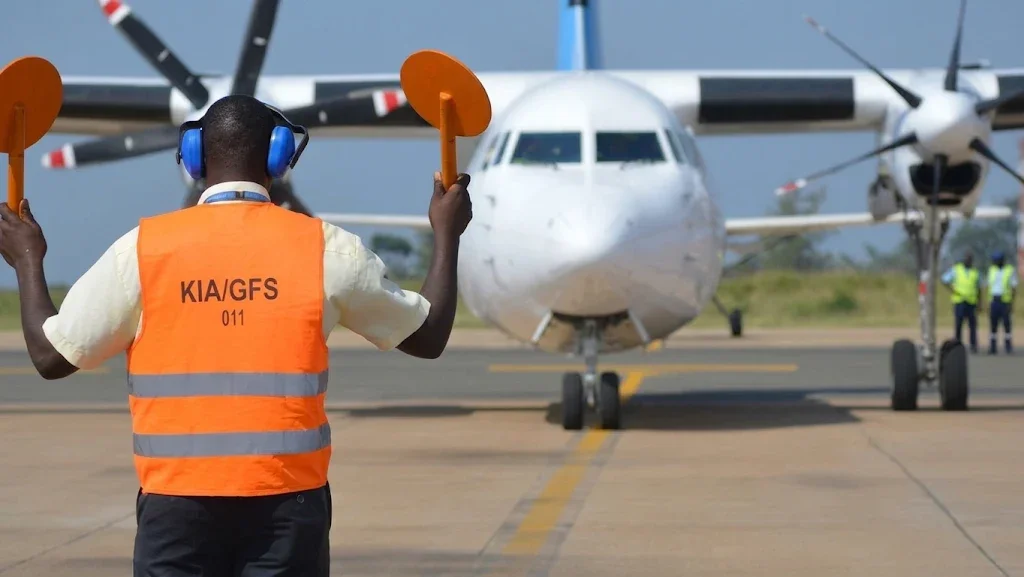
Nigerian air traffic controllers have threatened to withdraw their services over deteriorating communication, navigation and surveillance infrastructure, according to reports published on November 10 and 11, 2026. However, no strike date had been confirmed at the time of publication, meaning flight operations had not yet been formally shut down.
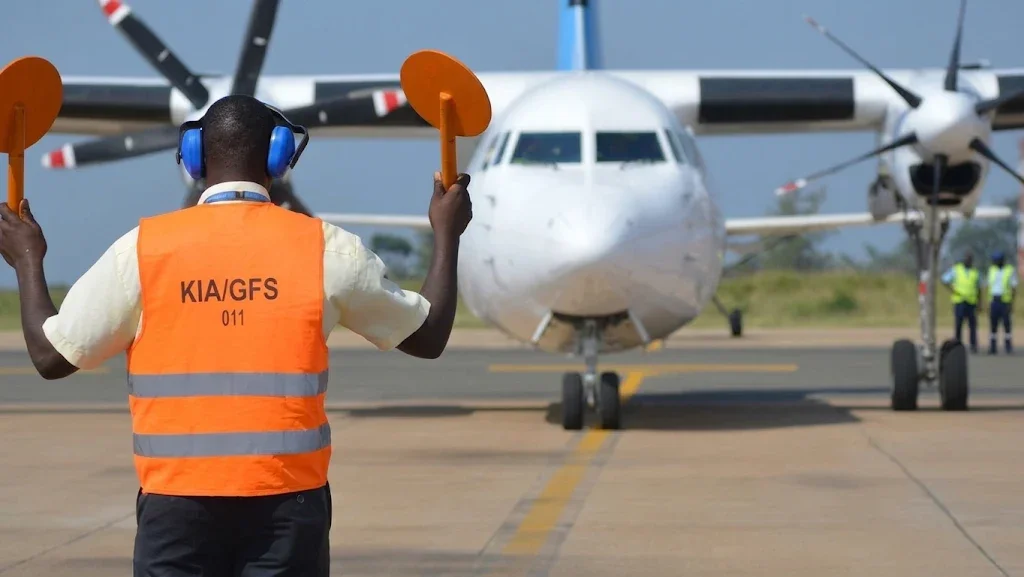
Nigerian air traffic controllers have warned that weakening airspace infrastructure is pushing them toward a service withdrawal, raising fresh concern over the condition of systems used to manage flights across the country.
According to reports published on November 10 and 11, 2026, the Nigerian Air Traffic Controllers Association said persistent equipment problems were putting pressure on aviation safety and testing the patience of professionals responsible for managing Nigeria’s airspace.
The concerns centre on communication, navigation and surveillance systems. These are the tools controllers rely on to speak with pilots, guide aircraft and monitor aircraft movements.
The association said the infrastructure gaps should be fixed to improve airspace safety and cut economic waste linked to weak operations. It also said stronger systems would help airline profitability, increase government revenue, strengthen national security and improve Nigeria’s global aviation rating.
At the time covered by the reports, the controllers had not announced a confirmed strike date. That means there was no formal shutdown of flight operations yet, even though the warning signalled growing tension over the state of aviation infrastructure.
The development puts attention on whether relevant authorities will move quickly enough to address the complaints before they escalate into service disruption. For now, the issue remains a threat of withdrawal rather than an active stoppage.
Why it matters
Air traffic control is central to safe and orderly flight operations. When controllers publicly warn about failing communication, navigation and surveillance systems, it points to pressure on a critical part of national transport infrastructure.
The issue also goes beyond airport operations. The association itself linked better infrastructure to safety, lower waste, stronger airline performance, higher government revenue, improved security and Nigeria’s standing in global aviation.
What it means for your money
There is no direct personal-finance impact confirmed yet because no strike date or flight shutdown had been announced at the time of publication. If the dispute escalates, travellers and airlines could face operational disruption, but that had not been formally confirmed in the reported facts.
-
The key thing to watch is whether aviation authorities respond publicly to the controllers’ concerns and announce repairs or upgrades to the affected systems. Readers should also monitor whether the union issues a formal strike notice or sets a withdrawal date. Until then, the situation remains a warning over infrastructure, not a confirmed shutdown of flights.
Nigerian air traffic controllers have raised the alarm over weakening communication, navigation and surveillance systems, but no strike date had been fixed as of the reports on November 10 and 11, 2026. The immediate issue is whether the infrastructure concerns are addressed before they disrupt flight operations.
Five stories, the key numbers, and why they matter. Free, no ads.
Subscribe free