-
As of 1 November 2026, pressure from organised labour on the federal government remained in focus after the Nigeria Labour Congress extended its ultimatum to 27 October following a meeting that ended without resolution. The union’s demands include reducing petrol prices to 2024 levels, renegotiating the national minimum wage and addressing other outstanding agreements affecting public-sector workers.
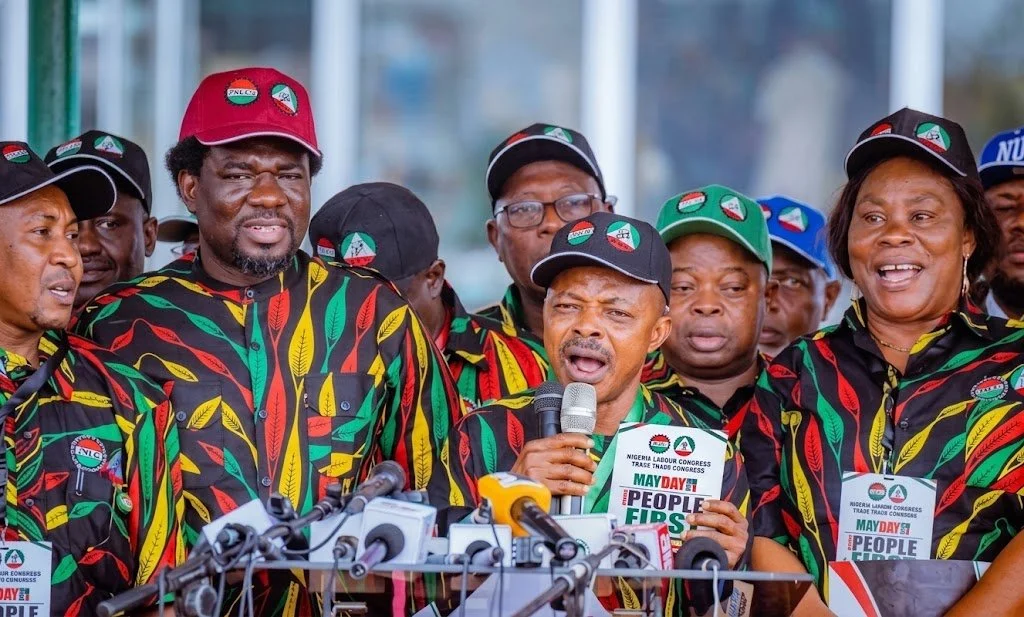
The Nigeria Labour Congress (NLC) kept up pressure on the federal government over petrol prices and labour-related agreements after extending its ultimatum to 27 October 2026.
According to TheCable, the extension followed a meeting that ended without resolution. The labour centre had earlier issued a two-week ultimatum beginning on 9 October 2026 after a joint meeting of its National Executive Council and Central Working Committee in Abuja.
At the centre of the dispute are demands for a reduction in petrol prices to 2024 levels and a renegotiation of the national minimum wage. The NLC also listed other unresolved issues, including agreed tax relief measures, settlement terms involving the Joint Health Sector Unions (JOHESU), and public-sector allowances.
The development points to continuing friction between organised labour and the federal government over the cost of living and the implementation of previous understandings. While the brief does not state any fresh agreement or policy change after the ultimatum deadline, it shows that labour’s concerns extended beyond fuel prices to broader worker welfare and public-sector commitments.
The issue remained significant on 1 November 2026 because it touched on household costs, wage expectations and unresolved obligations affecting sections of the workforce. With no resolution confirmed in the supplied facts, the standoff underscored the persistence of labour pressure rather than any concluded settlement.
Why It Matters
The dispute matters because petrol prices and wages are central to living costs in Nigeria. A demand to return petrol prices to 2024 levels, alongside a call to renegotiate the minimum wage, signals labour’s concern that workers are under pressure from current economic conditions.
It also matters for public administration. The inclusion of tax relief measures, JOHESU settlement terms and public-sector allowances suggests that the disagreement is not limited to one policy issue but involves several outstanding commitments affecting workers and government-labour relations.
What It Means for Your Money
For households, the main potential money impact is tied to fuel costs and wages. If petrol prices were reduced or wage terms renegotiated, that could affect transport and other daily expenses, but no such change is confirmed in the supplied facts.
Beyond that, there is no direct, confirmed personal-finance change to report at this stage.
-
What comes next depends on whether the federal government and the NLC reach a resolution on the union’s demands. The key point to monitor is any official outcome on petrol pricing, minimum-wage talks and the other outstanding issues cited by labour.
Readers should also watch for any formal statements from organised labour or government agencies indicating whether negotiations resumed, produced an agreement or led to further action.
Closing Summary
The main takeaway is that, as of 1 November 2026, organised labour’s pressure on the federal government over petrol prices, minimum-wage renegotiation and other worker-related commitments remained unresolved in the facts provided.
Five stories, the key numbers, and why they matter. Free, no ads.
Subscribe free