-
President Bola Tinubu’s infrastructure investment and growth strategy was published by the State House on 30 October 2026, setting out the administration’s case for infrastructure-led growth. The statement said Nigeria’s tax-to-GDP ratio had risen to 12.5 per cent from 7 per cent, net FAAC climbed 44 per cent from ₦15.2 trillion in 2024 to ₦21.9 trillion in 2025, and the country posted a ₦20.1 trillion trade surplus in the first half of 2026, up from ₦10.2 trillion a year earlier.
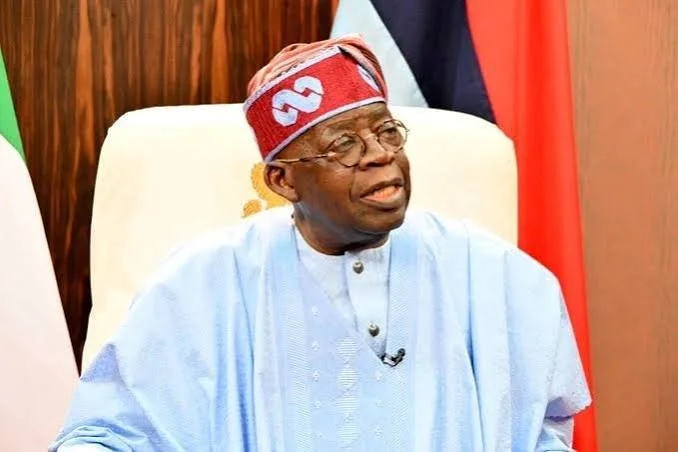
President Bola Tinubu has set out an infrastructure-led growth strategy in a State House publication released on 30 October 2026.
In the statement, the presidency linked planned infrastructure delivery to what it described as stronger public revenue and improving external trade performance.
According to the published strategy, Nigeria’s tax-to-GDP ratio rose to 12.5 per cent from 7 per cent. The statement also said net FAAC increased by 44 per cent, from ₦15.2 trillion in 2024 to ₦21.9 trillion in 2025.
On trade, the State House said Nigeria recorded a ₦20.1 trillion trade surplus in the first half of 2026, compared with ₦10.2 trillion in the first half of 2025.
Taken together, the figures were presented as evidence that recent fiscal and trade outcomes can support a broader push to finance and deliver infrastructure. The publication framed infrastructure investment as part of a wider growth strategy rather than as a stand-alone policy measure.
The State House release did not, in the supplied brief, provide further project-by-project details, timelines or fresh spending figures. It mainly focused on the administration’s case that stronger revenues and a wider trade surplus create better conditions for infrastructure delivery.
Why it matters
Infrastructure spending affects transport, power, logistics and the wider business environment, so the presidency’s argument is significant for the broader economy. The figures cited in the State House publication matter because they are being used to justify how the government plans to move from reform messaging to project delivery.
The rise in tax-to-GDP ratio and net FAAC, if sustained, points to a larger pool of public resources available to federal, state and local governments. The reported increase in Nigeria’s trade surplus in the first half of 2026 also strengthens the administration’s claim that macroeconomic conditions are improving alongside its infrastructure push.
What it means for your money
There is no direct personal-finance change announced in the supplied brief. For households and businesses, the practical impact will depend on whether the strategy translates into completed infrastructure that lowers transport, energy and operating costs.
-
What merits close monitoring now is whether the government follows the strategy with specific project announcements, funding plans and delivery timelines. Readers should also watch for future official updates on revenue, FAAC distributions and trade data, since those indicators were central to the case made in the State House publication.
The key point from the State House publication is that President Tinubu is tying Nigeria’s infrastructure push to stronger reported government revenues and a much wider trade surplus. Whether that strategy changes everyday economic conditions will depend on how quickly it moves from published targets to visible delivery.
Five stories, the key numbers, and why they matter. Free, no ads.
Subscribe free