-
The Joint Revenue Board says new tax laws do not allow state and local government agents to set up roadblocks for revenue collection. The board says the changes are meant to reduce multiple taxation and illegal collections that add to transport and food costs, while exempting micro and small businesses with annual turnover of ₦100 million or below from paying tax.
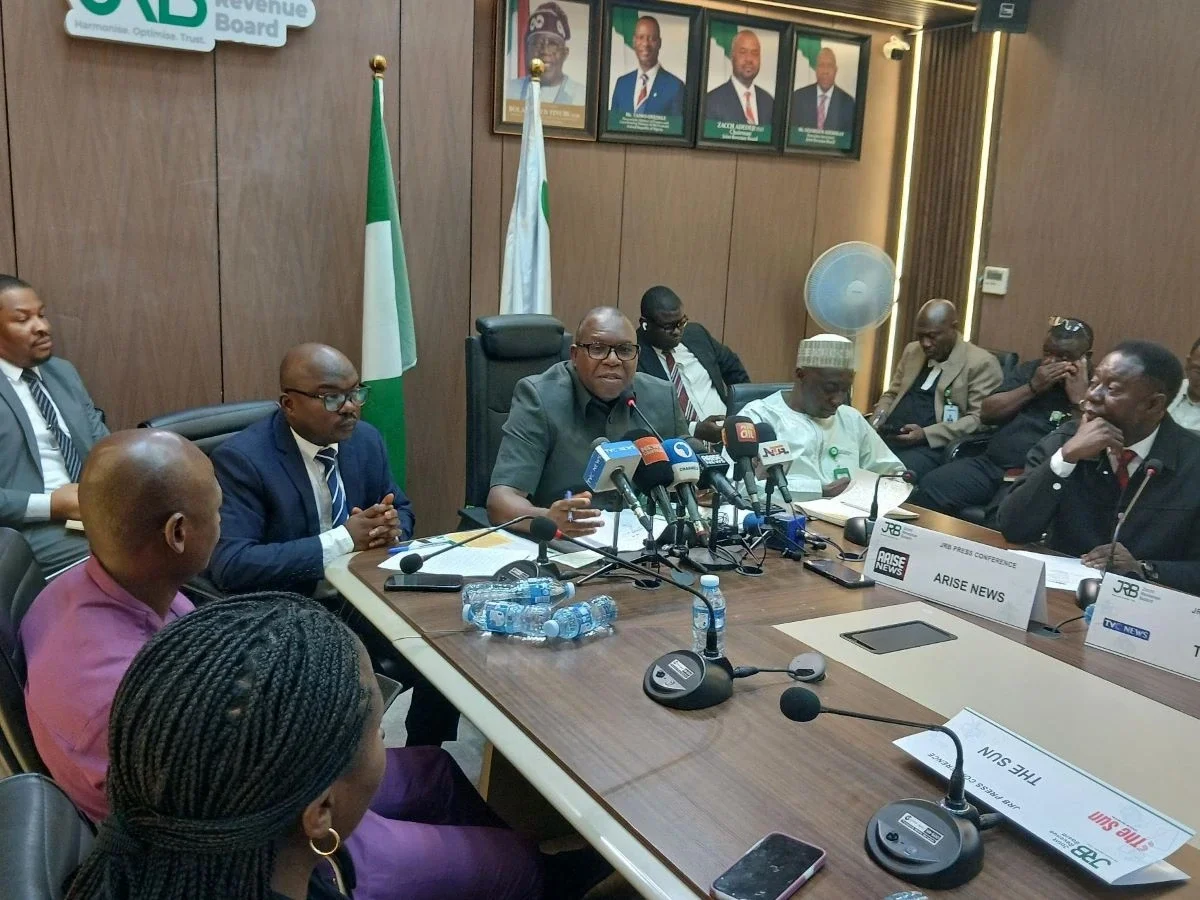
The Joint Revenue Board says Nigeria’s new tax laws outlaw the use of roadblocks by state and local government agents for revenue collection.
Executive Secretary of the board, Olusegun Adesokan, said the new rules are part of a harmonised tax framework designed to curb multiple taxation and illegal revenue collection across the country.
According to him, the board is also working with the police to tackle illegal revenue collectors who harass transporters on highways. The aim, he said, is to stop practices that raise transport costs and, by extension, food prices.
Adesokan said 21 of Nigeria’s 36 states have passed the relevant laws to support implementation of the framework. He also said micro and small businesses with annual turnover of ₦100 million or below are exempt from paying tax under the new system.
The announcement points to a stronger push to standardise tax administration and reduce overlapping demands from different government agents. It also signals that enforcement, not only lawmaking, will be central to whether the changes are felt on the roads and in local markets.
Why It Matters
Illegal checkpoints and overlapping revenue demands have long been a complaint for transport operators and traders. A formal ban under the new tax laws, backed by cooperation with the police, is significant because it targets one of the channels through which goods movement becomes more expensive.
The tax exemption for micro and small businesses also matters because it sets a clear threshold within the new framework. Together, the measures suggest an attempt to reduce compliance pressure on smaller firms while tightening controls on unauthorised collections.
What It Means for Your Money
If enforced effectively, the changes could help reduce unofficial transport charges that feed into the cost of moving food and other goods. That may ease some cost pressure for traders, transporters and consumers.
For small business owners, the stated exemption means micro and small businesses with annual turnover of ₦100 million or below are not expected to pay tax under the framework. Readers should note, however, that the practical impact will depend on how consistently the rules are enforced across states and highways.
-
What matters next is implementation across the states and on major transport routes. Monitoring whether more states pass the supporting laws, and whether police action reduces illegal collections and harassment of transporters, will show how quickly the policy changes move from law to daily reality.
The key development is that the Joint Revenue Board says new tax laws now bar state and local revenue roadblocks, while seeking to curb multiple taxation and protect smaller businesses through a tax exemption threshold. The real test will be enforcement on the ground.
Five stories, the key numbers, and why they matter. Free, no ads.
Subscribe free