-
The Federal Executive Council has approved a ₦45.8 billion biosecurity and disease-surveillance system for five international airports in Nigeria. Health Minister Ali Pate said the project is meant to detect Ebola and other dangerous pathogens entering the country through major air gateways.
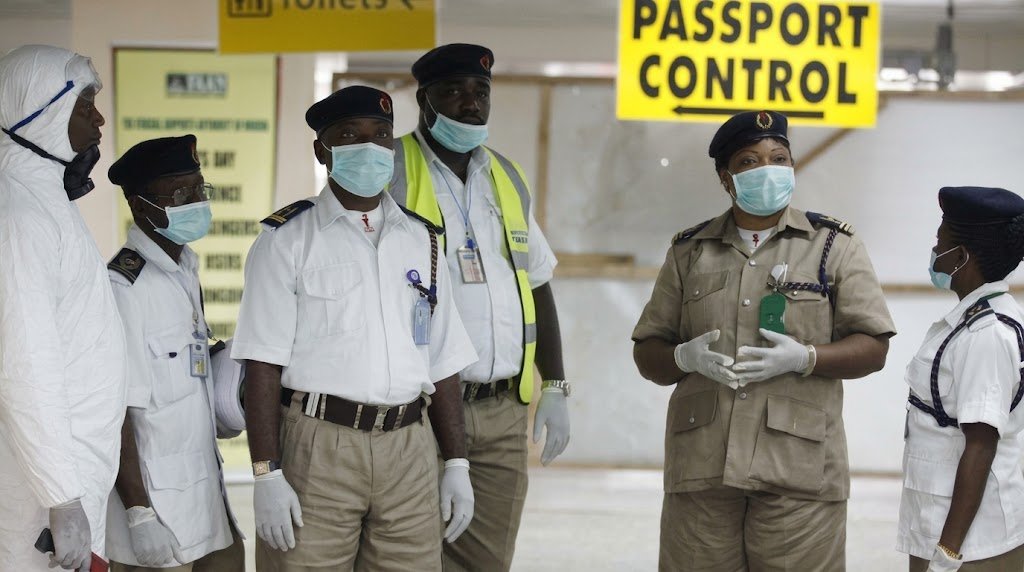
The Federal Executive Council has approved a ₦45.8 billion biosecurity and disease-surveillance system for five international airports across Nigeria.
Health Minister Ali Pate said the system is designed to detect Ebola and other dangerous pathogens that could enter the country through international travel. The approval follows concerns around cross-border disease risks and strengthens screening capacity at key entry points.
The project will be delivered as a 20-year public-private partnership concession awarded to BioHealth Consortium.
According to the approved plan, the system will be deployed at Murtala Muhammed International Airport, Lagos; Nnamdi Azikiwe International Airport, Abuja; Mallam Aminu Kano International Airport, Kano; Port Harcourt International Airport; and Akanu Ibiam International Airport, Enugu.
The decision places airport health security at the centre of Nigeria’s wider disease-prevention efforts, especially at the country’s busiest international gateways.
Why it matters
Airports are among the fastest routes for infectious diseases to spread across borders. A stronger surveillance system at major international airports could improve early detection and help public health authorities respond faster when high-risk pathogens are identified.
For Nigeria, the move is also significant because it focuses on prevention at entry points rather than waiting for outbreaks to spread internally. That could support quicker containment of imported health threats.
What it means for your money
There is no direct personal-finance impact confirmed in the brief. For the public, the main relevance is improved health protection at major airports rather than an immediate change to household costs or travel charges.
-
The next key development to watch is how BioHealth Consortium begins implementation under the 20-year concession. It will also be important to monitor deployment at the five named airports and whether the new system becomes operational in phases or at the same time across all locations.
Nigeria’s cabinet has cleared a ₦45.8 billion airport disease-surveillance project aimed at detecting Ebola and other dangerous pathogens at five international airports, marking a major step in strengthening health security at the country’s air entry points.
Five stories, the key numbers, and why they matter. Free, no ads.
Subscribe free