-
The Federal Government says it has paid ₦1.2 trillion out of the ₦2.3 trillion it owes electricity-sector operators, as part of efforts to ease long-running liquidity problems in the industry. It also approved three transmission projects aimed at strengthening grid capacity and supporting power delivery.
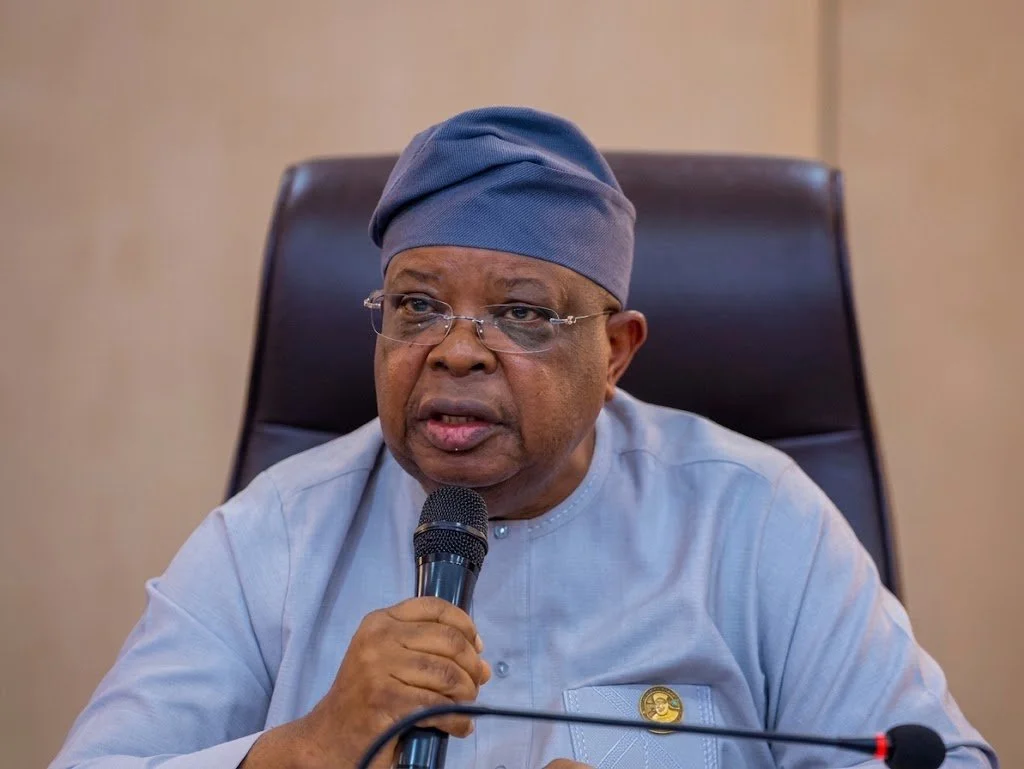
The Federal Government says it has paid ₦1.2 trillion out of the ₦2.3 trillion owed to operators in Nigeria’s electricity sector.
Power Minister Joseph Tegbe said on Wednesday, October 28, that the payments are intended to reduce liquidity constraints across the sector. He said a key pressure point has been the effect of unpaid obligations on gas supply to generation companies.
According to the minister, the government’s broader plan is to expand transmission capacity from about 5,000 megawatts to more than 19,000 megawatts. He said this is being pursued against generation capacity he put at more than 13,000 megawatts.
As part of that effort, the Federal Executive Council approved three transmission projects. They include an upgrade of the Katampe substation, the procurement of three 300MVA transformers for the Egbin substation, and the reconstruction of a 35.6-kilometre transmission line on the Shagamu axis from a single circuit to a double circuit.
The latest announcement links debt repayment with network expansion, two issues that have remained central to the performance of the power sector. By paying down part of what is owed and approving grid projects, the government is signalling an attempt to address both financing and infrastructure constraints at the same time.
Why it matters
Liquidity shortages have been a major problem in Nigeria’s electricity value chain, affecting participants from generation to transmission. The government’s stated goal is that debt repayment will ease pressure on operators, especially where funding gaps disrupt gas supply to power plants.
The transmission approvals also matter because available generation does not automatically translate to electricity delivered to homes and businesses. Grid upgrades are important to moving power more reliably across the network and reducing bottlenecks.
What it means for your money
There is no immediate direct personal-finance change announced for households in this update. However, if debt repayments improve sector cash flow and transmission projects strengthen the grid over time, consumers and businesses will watch for any impact on power supply reliability.
-
The next key issue to monitor is whether further payments will be made toward the remaining power-sector debt. It will also be important to watch how quickly the approved Katampe, Egbin and Shagamu-axis transmission projects move from approval to execution, and whether they begin to lift transmission capacity toward the government’s stated target.
The government says it has cleared ₦1.2 trillion of its ₦2.3 trillion electricity-sector debt and approved three transmission projects, combining financial support for operators with new grid upgrades intended to improve the power system.
Five stories, the key numbers, and why they matter. Free, no ads.
Subscribe free