-
The Federal Government has approved a ₦70,000 monthly transport intervention for federal public-service workers across all levels, with payment set to begin in November 2026. The support will run for six months and follows a conciliation meeting in Abuja with the Nigeria Labour Congress, which also produced agreements on outstanding allowances.
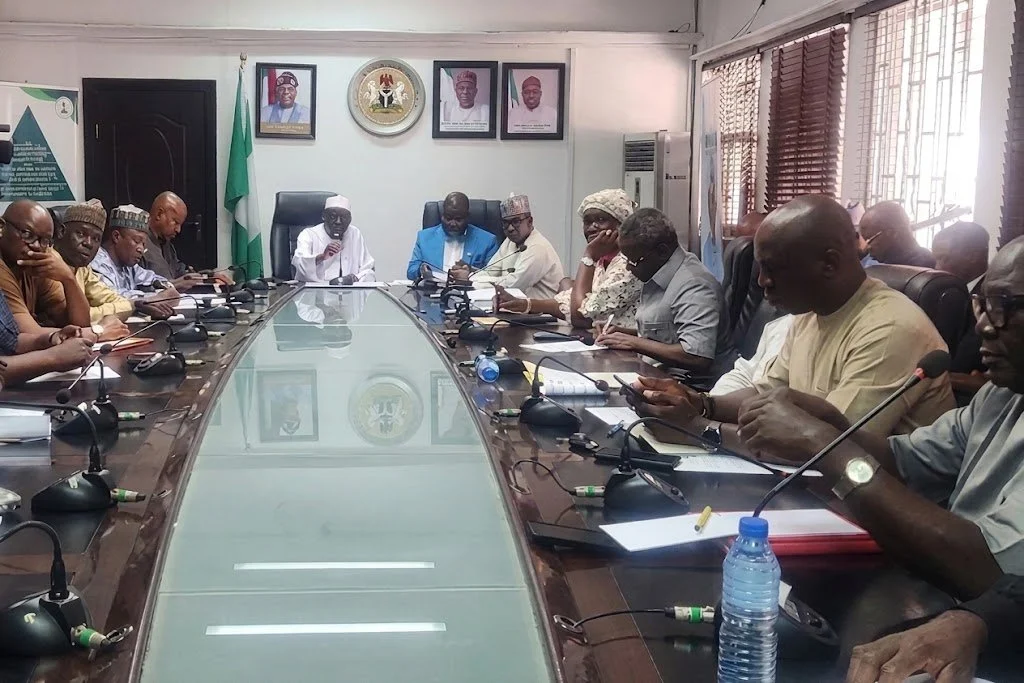
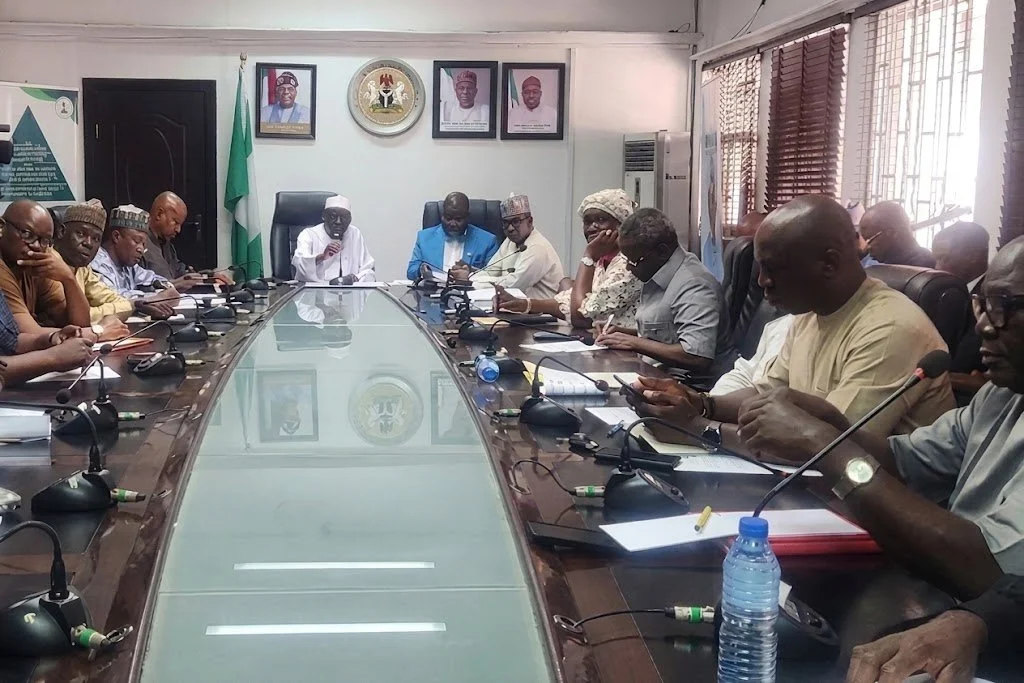
The Federal Government says federal public-service workers across all levels will begin receiving a ₦70,000 monthly transport intervention from November 2026.
The support is scheduled to run for six months. It was approved after a conciliation meeting in Abuja involving the government and the Nigeria Labour Congress, according to the verified brief.
Beyond the transport support, the government also agreed to pay peculiar allowance arrears owed from May 1, 2026. Those arrears are to be cleared in three monthly instalments.
The agreement also covers outstanding health workers’ allowances. Under the arrangement, the government is to settle 19 months of health workers’ allowance arrears starting from December 2026.
The measures form part of a broader response to labour concerns raised in discussions between the Federal Government and organised labour. Based on the supplied facts, the transport intervention applies to federal public-service workers, while the arrears commitments address specific outstanding allowances already due.
No further implementation details, including payment channels or agency-by-agency breakdowns, were confirmed in the brief supplied for this report.
Why It Matters
The decision matters because it provides a defined short-term transport support package for federal workers at a time when commuting costs remain a major concern for many households. It also signals a negotiated outcome between the government and organised labour rather than a unilateral announcement.
The additional commitments on peculiar allowance arrears and health workers’ allowance arrears are also significant for workers who have been waiting for outstanding payments. For affected employees, the issue is not only new support but also the timing and certainty of arrears already owed.
What It Means for Your Money
For federal public-service workers, the direct money impact is clear: an extra ₦70,000 monthly transport payment is due for six months from November 2026, if implementation proceeds as agreed. Workers covered by the arrears terms may also see additional income through the planned instalments for peculiar allowance arrears and the settlement of 19 months of health workers’ allowance arrears from December 2026.
For readers outside the federal public service, there is no confirmed direct personal-finance impact in the supplied facts.
-
The immediate point to watch is whether the November 2026 transport payment begins on schedule across federal public-service levels. Readers should also monitor how the three-month peculiar allowance arrears payment plan is implemented and whether the settlement of health workers’ allowance arrears starts from December 2026 as agreed.
Any official circulars or payroll guidance clarifying eligibility, timing and payment process will be important for affected workers.
Closing Summary
The key development is that the Federal Government has agreed with organised labour to start a six-month ₦70,000 monthly transport intervention for federal workers in November 2026, alongside plans to clear specified allowance arrears. For affected employees, implementation and payment timing will now be the main test of the agreement.
Five stories, the key numbers, and why they matter. Free, no ads.
Subscribe free