-
Nigeria currently has no confirmed Ebola case after a Swiss woman, the country’s first confirmed patient in the current outbreak, was medically evacuated from Abuja to Switzerland on Monday, October 26, 2026. However, the World Health Organization has not declared Nigeria Ebola-free, and health authorities are still following up 52 contacts.
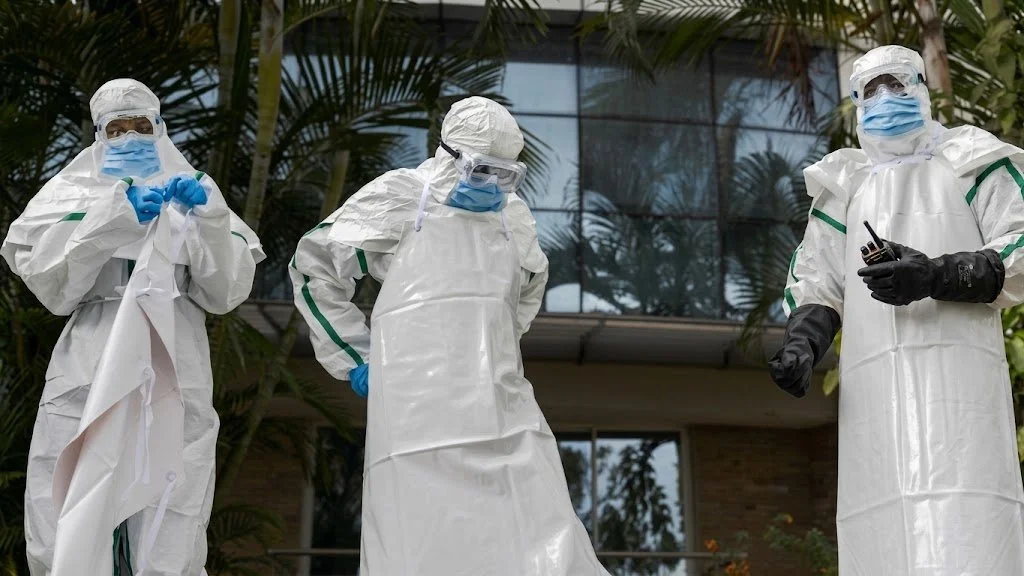
The World Health Organization says Nigeria currently has no active confirmed Ebola case after the country’s first confirmed patient in the current outbreak was evacuated for treatment.
The patient, a Swiss woman, was medically evacuated from Abuja to Switzerland with her husband on Monday, October 26, 2026. WHO said Switzerland is now responsible for her continued care and for monitoring her husband, who is being treated as contact number 53.
Despite the evacuation, WHO has not declared Nigeria Ebola-free. Nigerian health authorities are continuing follow-up of 52 identified contacts linked to the case.
WHO explained that an Ebola-free declaration does not happen immediately after a patient leaves a country or after there are no active local cases. Under its protocol, a country must complete a 42-day period after the last confirmed case tests negative twice, followed by heightened surveillance, before it can be declared Ebola-free.
The clarification comes amid misinformation suggesting Nigeria had already been declared free of the disease. WHO’s position is that while there is currently no confirmed Ebola case in Nigeria, the outbreak response process is still ongoing because contact tracing and public health monitoring have not ended.
Why it matters
The distinction is important for public understanding and outbreak control. Saying there is no active confirmed case is not the same as saying transmission risk has been fully ruled out.
Continued contact tracing is a standard part of Ebola response and helps health authorities quickly detect any new illness linked to the confirmed case. Clear communication also helps limit panic while discouraging false claims that the monitoring phase is already over.
What it means for your money
There is no direct personal-finance impact confirmed in the brief. For most Nigerians, the practical relevance is public health awareness rather than an immediate money issue.
-
The key development to watch is the outcome of ongoing follow-up for the 52 contacts in Nigeria. It will also be important to monitor whether any additional linked cases emerge and when Nigeria enters, and later completes, the 42-day countdown required before an Ebola-free declaration can be considered.
WHO says Nigeria has no active confirmed Ebola case after the Swiss patient’s evacuation, but the country has not been declared Ebola-free. Contact tracing and surveillance remain central to the response until the required public health process is completed.
Five stories, the key numbers, and why they matter. Free, no ads.
Subscribe free