-
ECOWAS and the African Development Bank on November 11, 2026 launched the Regional Rice Resilient Value Chains Development Programme, known as REWARD, in Abuja. ECOWAS said the programme is valued at about $650 million, spans all ECOWAS member states and the Alliance of Sahel States, and is aimed at lifting annual regional rice output to 35 million tonnes by 2035.
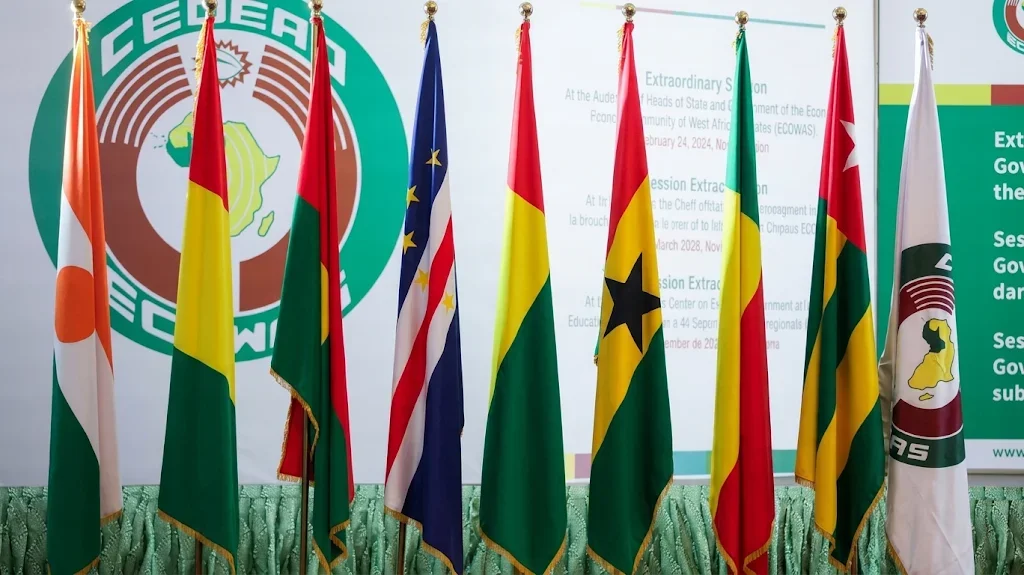
ECOWAS and the African Development Bank have formally launched a regional rice initiative valued at about $650 million, as West Africa pushes to reduce its dependence on imported rice.
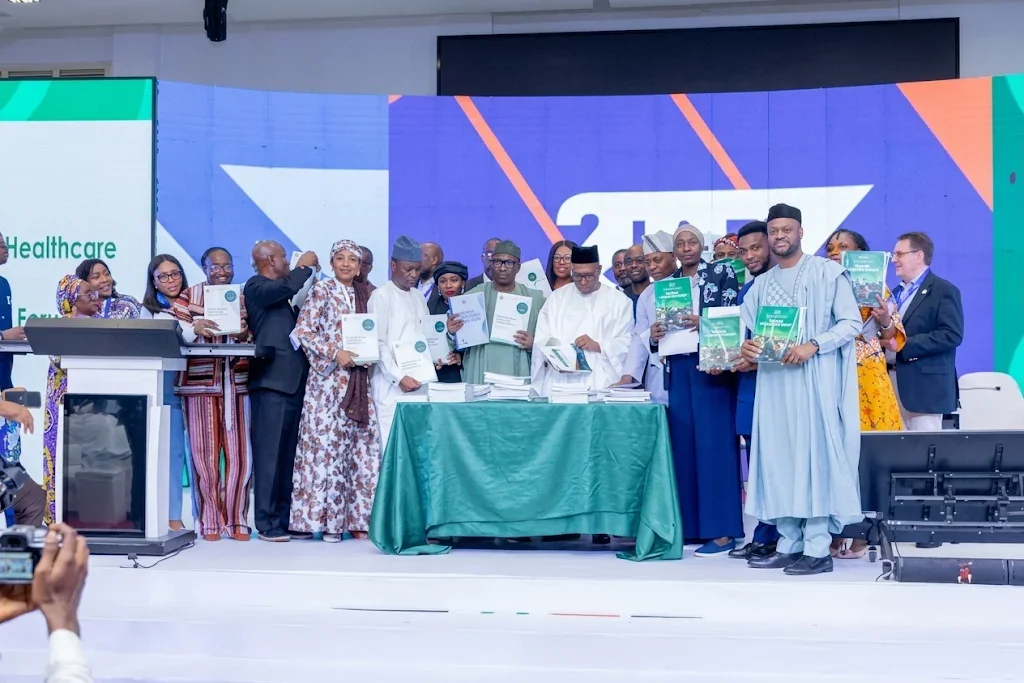
The programme, called the Regional Rice Resilient Value Chains Development Programme, or REWARD, was launched on November 11, 2026 at the ECOWAS Commission headquarters in Abuja.
According to ECOWAS, the initiative covers all ECOWAS member states as well as the Alliance of Sahel States. It is designed as a six-year programme focused on improving rice production, processing, marketing, competitiveness and resilience to climate and market shocks.
ECOWAS said the broader goal is to strengthen food sovereignty in West Africa. Galaxy Television reported that the programme is targeting annual regional rice output of 35 million tonnes by 2035.
At the launch, ECOWAS Vice-President Anthony Ogunjimi said West Africa would require about $25 billion in investment to meet its rice-sufficiency target. He also said $1.5 billion had earlier been raised at a conference in Accra for the regional rice value chain.
The launch brings together a major financing commitment and a long-term production target at a time when food security remains a central issue across the region. By focusing not only on farm output but also on processing and marketing, the programme is framed as a value-chain intervention rather than a production-only scheme.
The inclusion of resilience to climate and market shocks also points to the pressures facing rice supply in West Africa, where output and prices can be affected by weather conditions and wider market disruptions.
Why it matters
Rice is a staple food across West Africa, so efforts to raise local production matter directly for food supply and import dependence. The REWARD launch also shows the gap between current programme funding and the wider scale of investment ECOWAS says will be needed to achieve regional rice sufficiency.
What it means for your money
For households and businesses, the direct financial effect is not immediate. If the programme improves regional rice production and processing over time, it could help strengthen local supply, but no consumer price or income impact was announced at the launch.
-
The next key issue to monitor is how the six-year programme will be implemented across participating countries. Readers should also watch for project financing details, country-level rollout plans and any official progress updates on the 35 million-tonne target and the wider $25 billion rice-sufficiency investment need.
West Africa has opened a new $650 million regional rice programme in Abuja, with a stated goal of lifting annual output to 35 million tonnes by 2035. The initiative is significant, but ECOWAS says far larger investment will still be needed to achieve full rice sufficiency.
Five stories, the key numbers, and why they matter. Free, no ads.
Subscribe free