-
Inspector-General of Police Olatunji Disu has cancelled leave for police personnel assigned to election-security duties ahead of Nigeria’s 2027 general elections and ordered fresh threat reviews in affected states within 72 hours. He also directed immediate reinforcement of communities hit by bandit attacks with additional personnel, mobility and air support
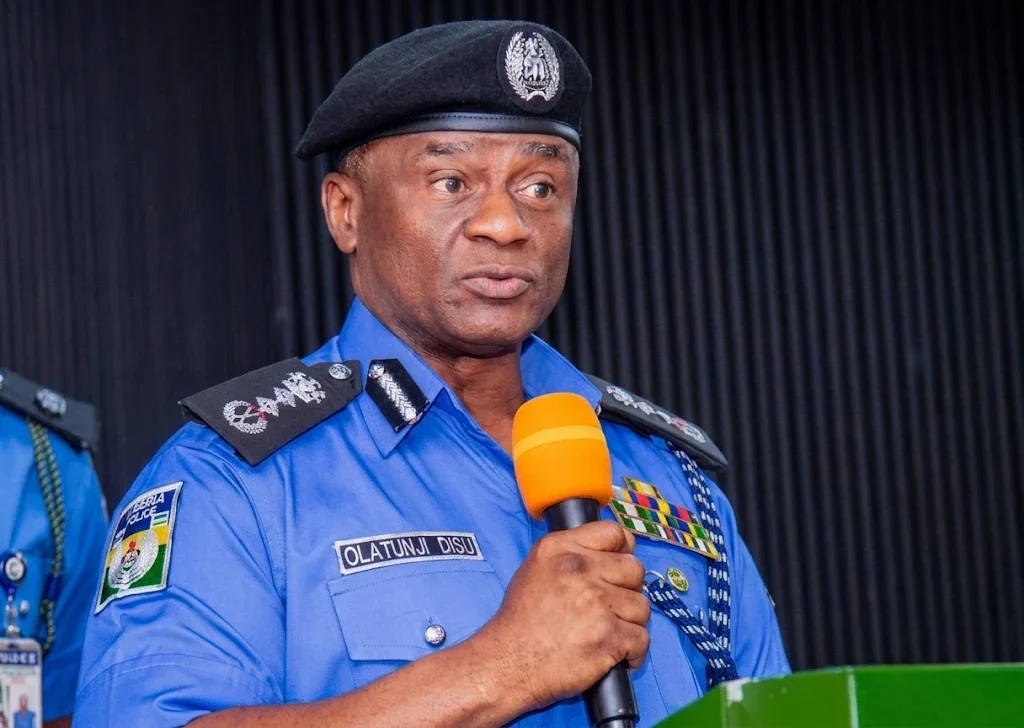
Inspector-General of Police Olatunji Disu has cancelled leave for police personnel assigned to election-security duties ahead of Nigeria’s 2027 general elections, tightening operational readiness as the police prepare for the polls.
Disu announced the directive during the monthly conference with strategic senior officers of the Nigeria Police Force in Abuja, according to a November 12, 2026 report by Punch.
As part of the order, Commissioners of Police in affected states are to submit updated security threat assessments and operational requirements to Force Headquarters within 72 hours. The directive signals an immediate review of risks and resource needs in states where election-related security planning is already under way.
The police chief also ordered the Deputy Inspector-General in charge of Operations to coordinate the immediate deployment of additional personnel, mobility and air support to communities affected by bandit attacks. That instruction places both election preparedness and response to ongoing insecurity on the police command’s front burner.
Disu further said the police had recently arrested 218 suspects for banditry and terrorism. He also listed 85 suspected armed robbers, 129 murder and culpable-homicide suspects, 59 suspected kidnappers and 120 suspected cultists among recent arrests cited at the conference.
The combination of leave cancellation, a 72-hour reporting deadline and fresh deployment orders points to a more urgent internal posture by the force as it balances election planning with pressure from bandit attacks and other violent crimes.
No further operational timeline beyond the 72-hour deadline was stated in the brief.
Why It Matters
The directive matters because it shows the police are moving early on election-security planning while responding to active security threats in affected communities. For residents in states facing bandit attacks or heightened political activity, the order suggests closer monitoring, faster reporting to headquarters and possible redeployment of police resources.
What It Means for Your Money
There is no direct personal-finance impact stated in the brief. However, security deployments and election-readiness measures can affect movement and business activity in affected areas, though no specific economic effect was provided here.
-
The immediate next step is the 72-hour submission of updated threat assessments and operational requirements by Commissioners of Police in affected states. It will also be important to watch whether the police announce details of the additional deployments ordered for communities affected by bandit attacks. Further public updates may come from Force Headquarters after it reviews the state-level reports.
The key development is that the police chief has withdrawn leave for election-security personnel and demanded fresh threat assessments within 72 hours, while also ordering rapid reinforcement for communities facing bandit attacks.
Five stories, the key numbers, and why they matter. Free, no ads.
Subscribe free