-
A U.S. House Foreign Affairs Subcommittee on Africa hearing was scheduled for Thursday, November 12, 2026, to review violence against Christians and insecurity in Nigeria’s Middle Belt. The session, titled “One Year Later: Assessing Nigeria’s Efforts to Protect Christians and Secure the Middle Belt,” is expected to examine attacks on Christian communities, the Nigerian government’s response and steps to protect vulnerable areas.
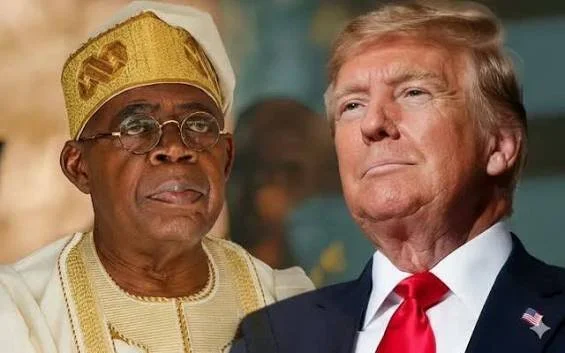
A U.S. House Foreign Affairs Subcommittee on Africa hearing was set for Thursday, November 12, 2026, to review violence against Christians and wider insecurity in Nigeria’s Middle Belt.
The hearing is titled “One Year Later: Assessing Nigeria’s Efforts to Protect Christians and Secure the Middle Belt.” It is to be convened by the House Foreign Affairs Subcommittee on Africa and chaired by Congressman Chris Smith.
According to the reported agenda, the session will examine attacks on Christian communities, the Nigerian government’s response, efforts to bring perpetrators to justice and measures aimed at protecting vulnerable communities in the Middle Belt.
Expected witnesses include U.S. Assistant Secretary of State for African Affairs Frank Garcia, Assistant Secretary of State for Democracy, Human Rights and Labour Riley Barnes, Nina Shea of the Hudson Institute, Ryan Brown of Open Doors U.S. and Oge Onubogu of the Center for Strategic and International Studies.
The hearing places Nigeria’s internal security challenges under fresh international scrutiny, especially around the protection of religious communities and accountability for attacks in affected areas.
No outcome from the hearing was available in the supplied facts at the time of reporting.
Why it matters
The hearing matters because it signals renewed attention in Washington to security conditions in Nigeria’s Middle Belt and the treatment of Christian communities there. It also shows that Nigeria’s response to attacks, justice for victims and protection measures are being examined beyond the country’s borders.
What it means for your money
There is no direct personal-finance impact established by the supplied facts. Any economic effect would depend on later policy statements or diplomatic actions that were not confirmed in the brief.
-
The immediate next development is the hearing itself and any testimony from the listed U.S. officials and policy experts. What will matter afterward is whether the panel issues findings, recommendations or further calls for action relating to Nigeria’s security response. Readers should also watch for any formal reaction from Nigerian authorities to issues raised during the session.
The key development is that a U.S. House Africa subcommittee scheduled a November 12 hearing to assess attacks on Christians and security efforts in Nigeria’s Middle Belt, bringing renewed outside attention to the issue.
Five stories, the key numbers, and why they matter. Free, no ads.
Subscribe free