-
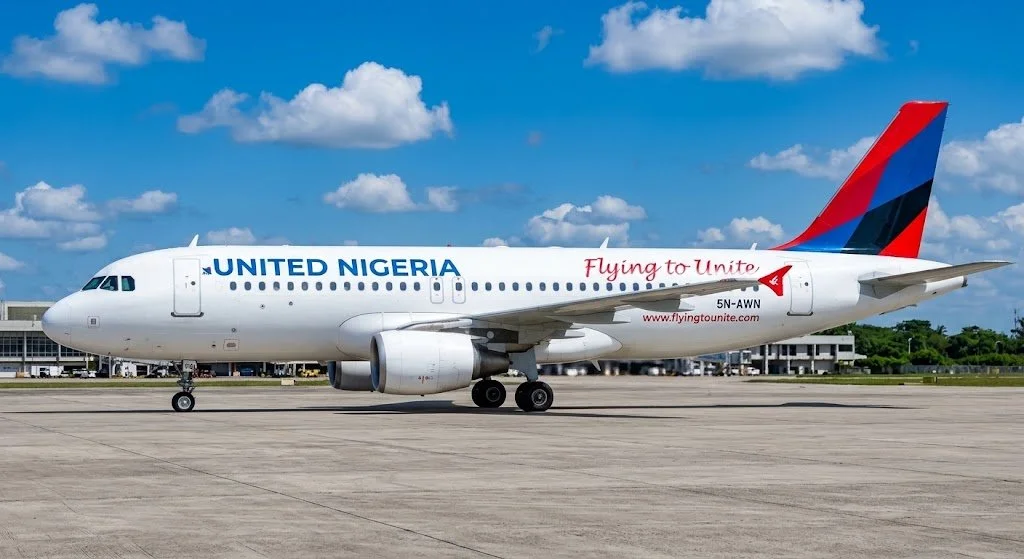
United Nigeria Airlines has raised ₦22 billion in its first commercial paper issuance, above its initial ₦20 billion target. The airline said the money will be used for working capital, operations and fleet expansion, including the planned delivery of six additional aircraft before the end of 2026.
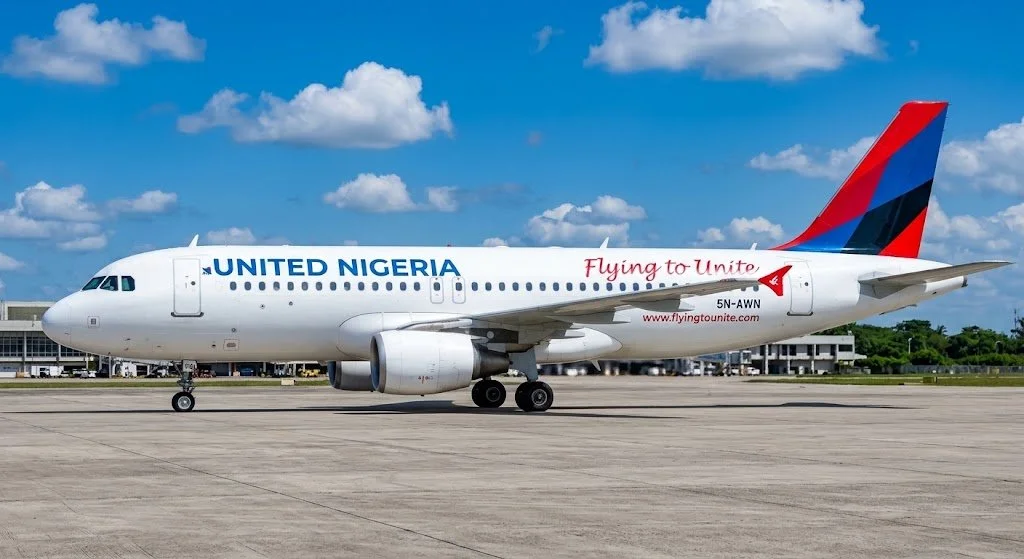
United Nigeria Airlines has raised ₦22 billion through its debut commercial paper issuance, exceeding its initial target of ₦20 billion.
The fundraising was the first tranche of the airline’s ₦100 billion commercial paper programme. The result gives the carrier access to short-term market funding as it pursues operational and expansion plans.
According to Meristem Capital, investor demand went beyond the original target by more than ₦5 billion. However, the airline accepted an additional ₦2 billion, bringing the final amount raised to ₦22 billion.
The company said the proceeds will support working capital, operations and fleet expansion. It added that the expansion plan includes the planned delivery of six additional aircraft before the end of 2026.
Commercial paper is a way for companies to raise short-term funds from investors. In this case, the successful sale shows that United Nigeria Airlines was able to attract enough interest to raise more than it first sought, even though it did not take the full amount offered by investors.
For the airline, the fresh funds are intended to strengthen day-to-day business needs while also backing growth in its fleet. The planned aircraft additions could support broader capacity if deliveries happen as outlined by the company.
The transaction also marks an important milestone for United Nigeria Airlines because it is the first issuance under its larger ₦100 billion programme. That means the company may still have room to return to the market with further tranches under the same programme, subject to its funding needs and market conditions.
Why it matters
The fundraising matters because it gives United Nigeria Airlines new capital for immediate business needs and expansion. It also indicates that investors showed strong interest in the airline’s first commercial paper offer, allowing it to raise more than its initial target.
For Nigeria’s aviation sector, the planned use of the funds is notable because it includes fleet expansion. If the airline takes delivery of the six additional aircraft it has planned before the end of 2026, that could strengthen its operating capacity.
What it means for your money
There is no direct personal-finance impact stated in the brief. For readers, the main relevance is that the funds are intended to support the airline’s operations and expansion plans, including more aircraft.
-
What happens next will centre on how United Nigeria Airlines deploys the ₦22 billion it has raised. Key developments to monitor are any progress on working capital and operations, and whether the airline proceeds with its plan to take delivery of six additional aircraft before the end of 2026.
It will also be worth watching whether the airline returns to the market with further issuances under its wider ₦100 billion commercial paper programme.
United Nigeria Airlines’ first commercial paper sale brought in ₦22 billion, topping its original ₦20 billion target. The company says the funds will support operations, working capital and fleet expansion, including six planned aircraft deliveries before the end of 2026.
Five stories, the key numbers, and why they matter. Free, no ads.
Subscribe free