-
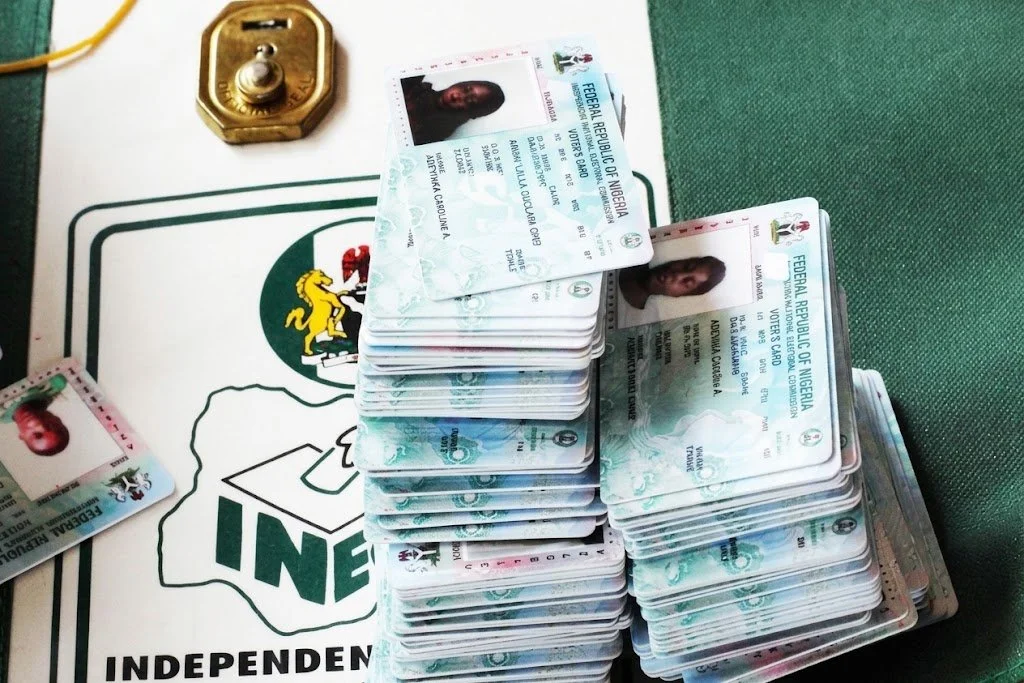
Nigeria’s electoral commission is heading into the 2027 election cycle with more than 14 million Permanent Voter Cards still estimated to be uncollected. With presidential and National Assembly polls fixed for January 16, 2027, the backlog raises concerns about whether many registered voters will be able to take part.
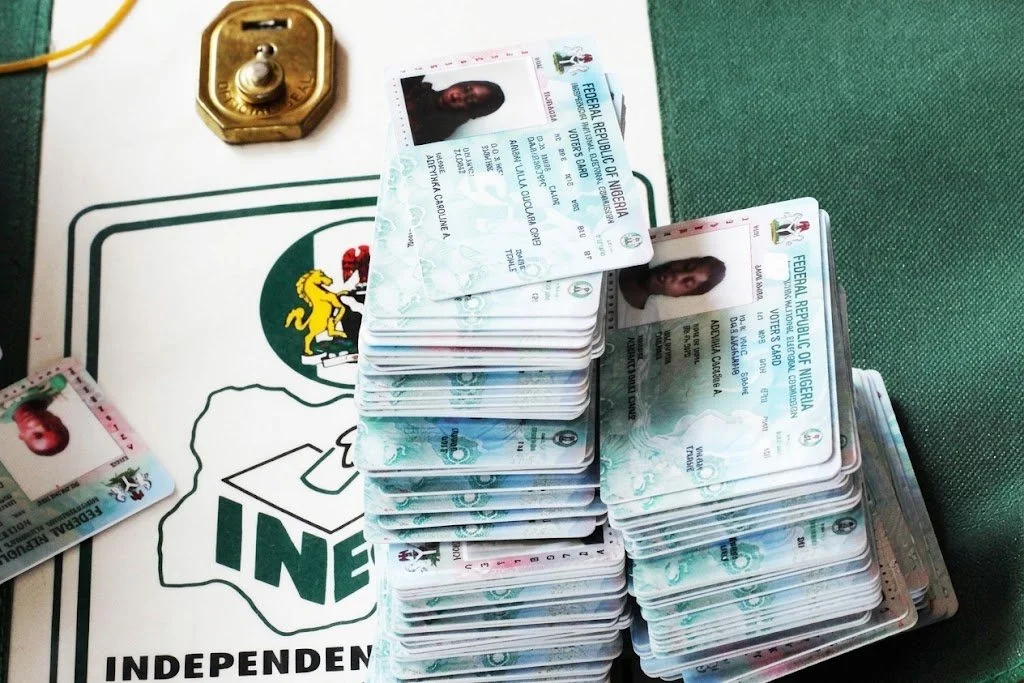
The Independent National Electoral Commission, INEC, is facing a major voter access challenge ahead of the 2027 general elections, with more than 14 million Permanent Voter Cards, PVCs, estimated to still be waiting for collection.
Vanguard reported on November 3, 2026 that the scale of the uncollected cards has grown as Nigeria prepares for the next national polls. According to the report, 6.26 million PVCs had not been collected before the 2023 general elections.
The latest Continuous Voter Registration exercise has also added 10,772,421 new voters. That increase expands the voter register, but it also sharpens attention on whether newly registered and previously registered voters will actually obtain the cards required to vote.
The report cited several states with large numbers of PVCs still awaiting collection, including Plateau, Taraba, Jigawa, Bayelsa and Benue. While the brief does not give a state-by-state breakdown, the named states point to pressure points in INEC’s efforts to get cards into voters’ hands before election day.
The timing is significant. The presidential and National Assembly elections are scheduled for January 16, 2027. That means the PVC collection gap is not just an administrative issue for INEC; it is a direct participation risk for eligible voters who may have registered but cannot vote without collecting their cards.
With the election date already set, the number of uncollected PVCs is likely to remain a key measure of electoral readiness in the weeks ahead. The issue will also shape public scrutiny of voter mobilisation, logistics and access across the affected states and beyond.
Why it matters
PVC collection is central to actual voter participation, not just registration figures. A large backlog means the number of people on the register may not fully translate into people who can vote on election day.
For Nigeria’s democracy, that matters because turnout can be affected not only by political interest, but also by how efficiently eligible voters receive the documents they need. The reported concentration of uncollected cards in some states could also raise questions about uneven access and readiness as the election approaches.
What it means for your money
There is no direct personal-finance impact established in the brief. For most readers, the practical issue is civic access: anyone who has registered to vote may need to monitor PVC collection arrangements closely ahead of the January 16, 2027 polls.
-
Attention will likely turn to how quickly INEC can reduce the backlog before the January 16, 2027 presidential and National Assembly elections. Key developments to monitor include any fresh collection drives, voter notices and updated figures on how many PVCs remain unclaimed, especially in Plateau, Taraba, Jigawa, Bayelsa and Benue.
More than 14 million uncollected PVCs have become a major election-readiness concern ahead of the January 2027 polls. The central issue is simple: registered voters can only take part if they collect the cards required to vote.
Five stories, the key numbers, and why they matter. Free, no ads.
Subscribe free