-
President Bola Tinubu has asked the House of Representatives to grant statutory authorisation for the ₦10.79 trillion external borrowing component of the 2026 Appropriation Act. The request, read during plenary on Wednesday, November 11, is part of the ₦29.22 trillion new borrowing already provided in the 2026 budget, which also includes ₦18.28 trillion in domestic borrowing.
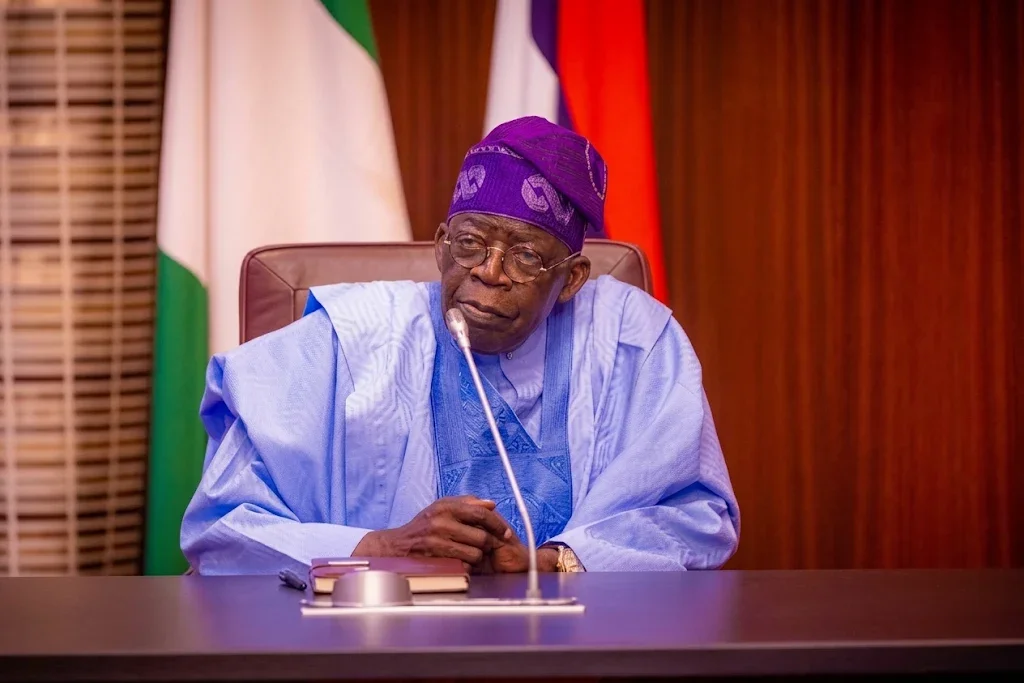
President Bola Tinubu has formally asked the House of Representatives to approve the implementation of the ₦10.79 trillion external borrowing component contained in the 2026 Appropriation Act.
The request was read on the floor of the House during plenary on Wednesday, November 11, 2026. In the letter, the President sought statutory authorisation for the external borrowing plan tied to the federal budget.
The proposed external borrowing is one part of the ₦29.22 trillion in new borrowing already captured in the 2026 budget. Of that total, ₦18.28 trillion is expected to come from domestic borrowing, while ₦10.79 trillion is to be raised externally.
Punch reported that the external borrowing figure is equivalent to $7.707 billion, using the 2026 budget exchange rate of ₦1,400 to the dollar.
According to the request, the funds are intended to part-finance the federal budget deficit. Tinubu said the government could raise the money through a mix of Eurobonds, multilateral and bilateral lenders, IMF facilities, bridge financing and other commercial windows.
The request does not stand alone as a fresh budget item, but as the step needed to implement the external portion of borrowing already reflected in the 2026 fiscal plan. Statutory approval from the House is required before that component can proceed.
The development keeps attention on how the Federal Government plans to fund its 2026 spending commitments, especially the balance between local borrowing and foreign financing. It also sets up the next stage of legislative consideration of the borrowing structure already embedded in the budget.
Why It Matters
The request matters because it concerns how part of the 2026 federal budget deficit will be financed. External borrowing can affect the government’s debt mix, foreign currency obligations and the pace at which budgeted spending can be carried out once approvals are secured.
What It Means for Your Money
There is no immediate direct personal-finance change announced in this request. However, government borrowing decisions are relevant to the wider economy because they shape public financing needs and the sources of funds used to support budget spending.
-
The key next step is action by the House of Representatives on the President’s request for statutory authorisation. Readers should watch for whether lawmakers approve the external borrowing component as requested and for any official details on the eventual mix of funding sources, including Eurobonds, multilateral or bilateral loans, IMF facilities, bridge financing and other commercial windows.
Tinubu’s request asks the House to clear the ₦10.79 trillion external borrowing already built into the 2026 budget, as part of a wider ₦29.22 trillion new borrowing plan meant to help finance the federal deficit.
Five stories, the key numbers, and why they matter. Free, no ads.
Subscribe free