-
Lagos’ estimated electricity requirement has risen to 12,000 megawatts, while conventional grid supply remains below 1,000MW, according to the state government. The gap came into sharper focus as presidential power adviser Lanre Babalola said at the Lagos Energy Summit 2026 that stable electricity is unlikely without tariffs that reflect efficient costs and stronger payment flows across the sector.
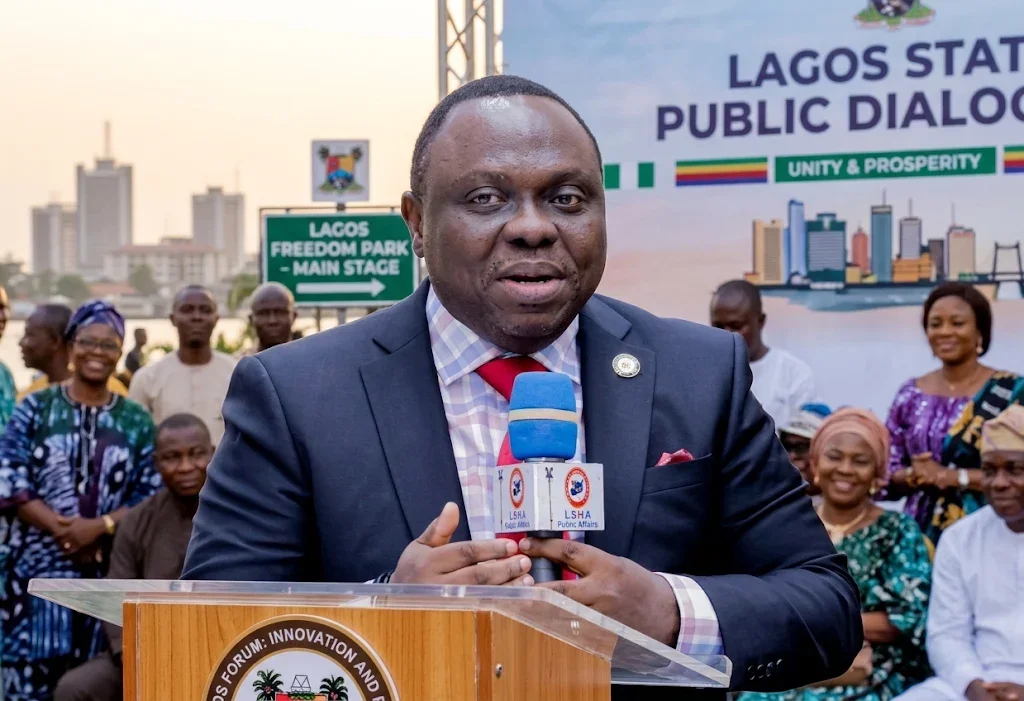
Lagos State says its electricity demand has reached 12,000MW, but supply from the conventional grid is still below 1,000MW, underlining the scale of the state’s power shortfall.
The figure was given by the Commissioner for Energy and Mineral Resources, Biodun Ogunleye, at the Lagos Energy Summit 2026. The summit also featured renewed federal backing for cost-reflective electricity tariffs as part of wider efforts to improve power sector finances.
Speaking at the event, the Special Adviser to the President on Power, Lanre Babalola, said sustainable electricity supply depends on tariffs that reflect efficient costs, while making clear that consumers should not be made to pay for inefficiency in the sector. His remarks were reported on November 12, 2026.
Babalola said the government is considering revenue ring-fencing and credit-enhancement arrangements to protect investment in new electricity generation and help address liquidity problems in the industry. He described the power system as requiring two connected circuits: one that carries electricity to homes and businesses, and another that carries money back through the value chain to generators and gas suppliers.
The comments place tariff policy back at the centre of Nigeria’s electricity debate, alongside the problem of weak cash recovery in the sector. They also highlight the gap between demand in major economic centres and the amount of power available from the existing grid.
Why It Matters
The figures presented at the summit show that the power challenge is not only about generation, but also about how the sector is financed. Lagos is Nigeria’s biggest commercial hub, so a supply gap of this size points to the pressure on households, businesses and public services when electricity demand far exceeds available grid power.
What It Means for Your Money
There was no immediate tariff change announced. However, the federal comments signal continued policy support for cost-reflective tariffs and new financing protections, both of which could shape future electricity pricing and supply conditions for consumers and businesses.
-
Attention will now turn to whether the Federal Government provides details on the proposed revenue ring-fencing and credit-enhancement measures mentioned at the summit. It will also be important to watch how policymakers balance any tariff reforms with Babalola’s position that sector inefficiency should not be passed on to consumers. In Lagos, the large gap between estimated demand and grid supply is likely to remain a key reference point in future power planning discussions.
Closing Summary
Lagos’ power demand is far above current grid supply, and federal officials say fixing electricity reliability will require better sector finances as well as tariffs that reflect efficient costs.
Five stories, the key numbers, and why they matter. Free, no ads.
Subscribe free