ENERGY
-
Nigeria’s Independent System Operator said electricity supply was restored after multiple trippings on the 330kV transmission network disrupted the system at about 12:40 p.m. on Monday, October 19, 2026. The operator said the incident was not a nationwide grid collapse, even as generation dropped from about 3,840MW at 7 a.m. to 476.70MW by 1 p.m., underlining the fragility of power supply and its direct effect on homes and businesses.
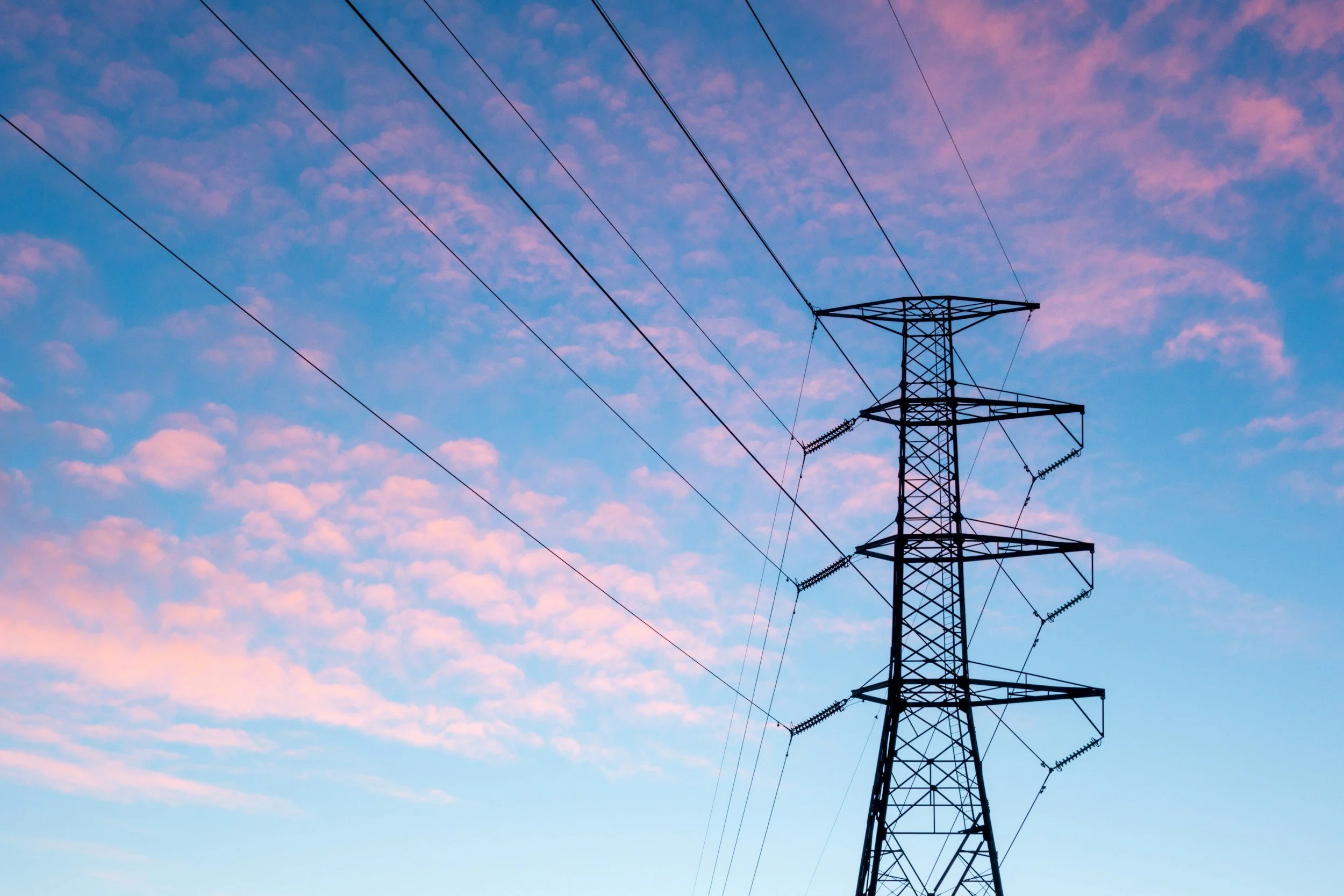
Nigeria’s Independent System Operator (NISO) said electricity supply has been restored after a major disturbance on the transmission network caused a sharp drop in power generation.
According to NISO, the incident happened at about 12:40 p.m. on Monday, October 19, 2026. The operator said the event involved multiple trippings on the 330kV transmission network and was not a nationwide grid collapse.
The disturbance led to a steep fall in available generation. Electricity output dropped from about 3,840 megawatts at 7 a.m. to 476.70MW by 1 p.m. the same day.
NISO said it worked with the Transmission Company of Nigeria to stabilise the system and restore normal operations. The statement aimed to clarify reports that had described the event as a full grid collapse.
The effect was visible on electricity distribution networks. Ikeja Electric said customers on its network would experience reduced supply hours because of a shortfall in power allocation from the national grid.
The incident again showed how faults on key transmission lines can quickly affect generation levels and supply across several areas, even when the system operator says the problem does not amount to a total national collapse.
Why it matters
This matters because the national grid remains central to electricity supply for millions of Nigerians. When major transmission lines trip, generation can fall sharply and distributors may receive less power to send to homes, offices and factories.
The difference between a partial system disturbance and a full grid collapse also matters for public understanding. In this case, NISO said the system was disrupted but later stabilised, and it stressed that the event was not a nationwide collapse.
What it means for your money
The immediate personal-finance effect is mainly indirect: weaker power supply can mean more spending on fuel or other backup power where households and businesses have it. Beyond that, there is no specific new consumer pricing or billing measure confirmed in the available information.
-
What to watch next is whether NISO or the Transmission Company of Nigeria releases more detail on the cause of the 330kV trippings and any steps to reduce similar disruptions. Consumers and businesses will also be watching whether distribution companies report normalised supply hours after the restoration announced by the system operator.
Five stories, the key numbers, and why they matter. Free, no ads.
Subscribe free