BANKING & FINANCE
-
The Federal Government has launched the Nigerian Capital Market Master Plan 2.0, a 10-year framework that aims to expand the market from about ₦250 trillion to ₦750 trillion by 2036. Vice President Kashim Shettima launched the plan in Abuja on Monday, while the Securities and Exchange Commission also unveiled a national savings scheme to bring more retail investors into the market. The move matters because the government is positioning the capital market as a major source of funding for infrastructure and wider economic development.
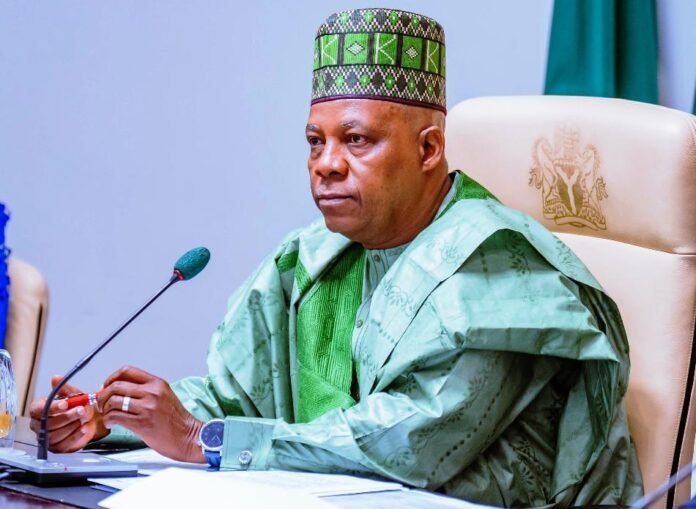
The Federal Government has launched a new 10-year capital market strategy aimed at lifting Nigeria’s capital market from about ₦250 trillion to ₦750 trillion by 2036.
Vice President Kashim Shettima launched the Nigerian Capital Market Master Plan 2.0 in Abuja on Monday, October 19, 2026. The plan covers 2026 to 2036.
The Securities and Exchange Commission presented the plan at the 2026 National Capital Market Conference. SEC Director-General Emomotimi Agama led the presentation.
At the same event, the SEC also unveiled a national savings scheme intended to deepen retail participation in the market. That means the regulator wants more ordinary savers and small investors to take part, not only large institutions.
The government and the regulator are presenting the master plan as a financing channel for infrastructure and economic development. It is also linked to Nigeria’s stated ambition of building a $1 trillion economy.
The launch signals a fresh policy push to use the capital market more actively to mobilise long-term funds. In practical terms, capital markets can help governments and businesses raise money through instruments such as shares and bonds, instead of relying only on bank loans or public budgets.
The confirmed details released with the launch focus on the scale of the target, the 10-year timeline and the effort to widen participation through a national savings scheme.
Why it matters
Nigeria has large financing needs in infrastructure and wider economic development. By setting a long-term target for the capital market, the government is signalling that it wants more of that funding to come through market-based channels.
The retail savings angle is also important. If more households participate through regulated investment products, the market could draw in a broader pool of domestic savings over time.
The plan’s link to the $1 trillion economy ambition shows that the authorities see the capital market as more than a trading platform. They are framing it as part of the country’s wider growth strategy.
What it means for your money
For individuals, the clearest direct relevance is the SEC’s new national savings scheme, which is intended to deepen retail participation in the market. The launch announcement did not provide detailed terms in the verified information available, so for now the main takeaway is that regulators want to create more pathways for ordinary savers to invest through the capital market.
-
The next key thing to watch is how the SEC and the government implement the 2026-2036 plan in practice. Attention is likely to focus on the details of the national savings scheme, the rollout of any supporting rules or products, and whether the market begins to attract broader retail participation and more long-term funding for infrastructure and development.
Five stories, the key numbers, and why they matter. Free, no ads.
Subscribe free