JOBS
-
The Nigeria Labour Congress deadline to the federal government falls due on October 27, 2026, after earlier talks ended without agreement. Labour is pushing for a cut in petrol prices to 2024 levels, a renegotiation of the national minimum wage and the implementation of agreed tax relief measures, while asking its affiliates and state councils to prepare for possible nationwide action if fresh talks fail.
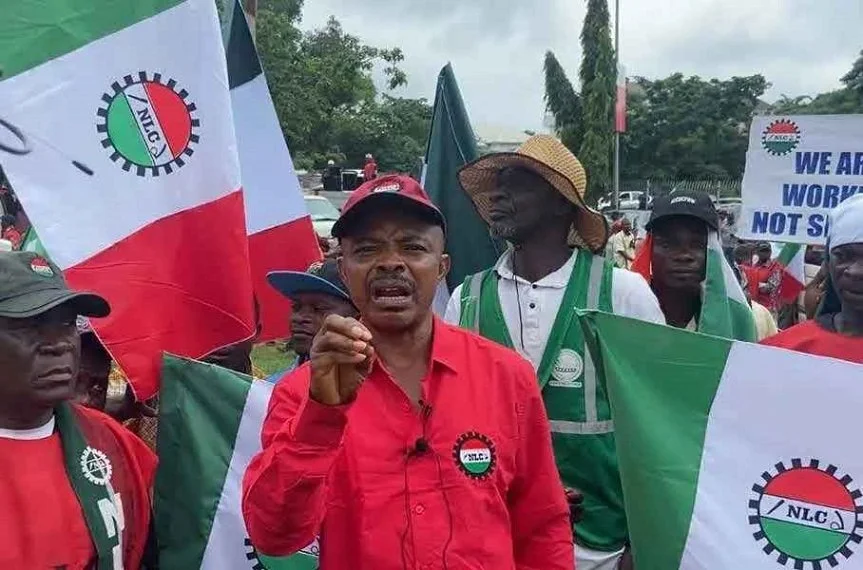
The Nigeria Labour Congress, NLC, has kept October 27, 2026, as the deadline in its ultimatum to the federal government over petrol prices, the national minimum wage and tax relief measures.
The labour centre had extended the deadline to that date after an October 22 meeting with government representatives ended without resolution.
According to the NLC’s stated demands, it wants petrol prices reduced to 2024 levels. It is also seeking a renegotiation of the national minimum wage and the implementation of agreed tax relief measures.
The deadline now puts pressure on both sides to reach a settlement or risk a wider labour dispute. The NLC has already told its affiliates and state councils to prepare for possible nationwide action if the October 27 talks do not produce an agreement.
That instruction signals that organised labour is treating the matter as urgent, with concerns cutting across transport costs, workers’ pay and the wider cost of living. However, no final outcome had been confirmed in the supplied brief as the deadline fell due.
The latest developments follow failed efforts to resolve the issues at the October 22 meeting. With that meeting ending without a breakthrough, the focus has shifted to whether the government will offer concessions on fuel pricing, wage talks and tax relief implementation.
Why it matters
The dispute matters because it centres on three issues that directly affect workers and households: fuel costs, wages and taxes. Petrol prices influence transport fares and business costs, while the minimum wage shapes earnings for many workers. If the standoff is not resolved, possible nationwide labour action could disrupt services and economic activity.
What it means for your money
This has clear personal finance relevance. Any movement on petrol prices, wage renegotiation or tax relief could affect household transport costs, take home pay and overall living expenses. If nationwide action happens, workers and businesses could also face temporary disruptions.
-
The immediate next development to watch is whether the October 27 engagement between labour and the federal government produces a deal. If there is no resolution, attention will turn to whether the NLC activates the possible nationwide action it has asked affiliates and state councils to prepare for. The key points to monitor are any official position on petrol prices, the minimum wage talks and implementation of the tax relief measures already agreed.
At the heart of the standoff is labour’s demand for relief on fuel costs, wages and taxes. With the NLC deadline now due and affiliates on alert for possible action, the government’s response will determine whether tensions ease or broaden into a nationwide dispute.
Five stories, the key numbers, and why they matter. Free, no ads.
Subscribe free