ECONOMY
-
Nigeria is aiming to bring inflation down to low single digits before the end of 2027, according to Finance Minister Taiwo Oyedele. He said lower inflation would make it possible for interest rates to fall sharply, helping households and businesses borrow more cheaply.
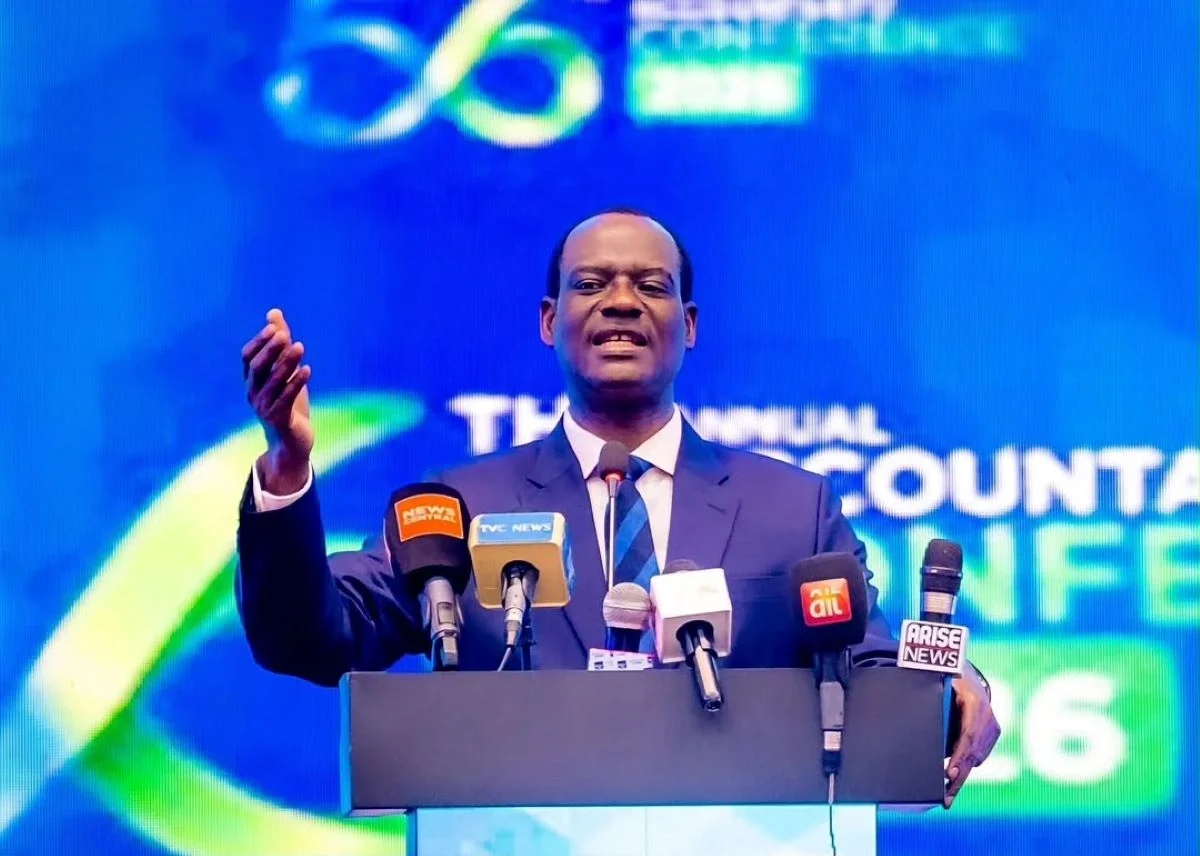
Finance Minister Taiwo Oyedele said on October 26, 2026, that Nigeria wants to cut inflation to low single digits before the end of 2027.
Oyedele said achieving that goal would create room for sharply lower interest rates and cheaper borrowing across the economy. That, in turn, could reduce financing costs for both households and businesses.
The minister spoke at the Nigerian Economic Summit in Abuja, where he outlined the inflation target as part of the government’s broader economic direction.
The latest public dashboard from the finance ministry shows that Nigeria’s economy grew by 4.43 per cent in real terms in the second quarter of 2026. The same dashboard listed headline inflation for August 2026 at 15.39 per cent.
Those figures show that while the economy has continued to expand, inflation remains well above the level the government now says it wants to reach before the end of next year. The minister’s comments place inflation control at the centre of efforts to improve borrowing conditions in the country.
For consumers and firms, the key message is straightforward: if inflation falls substantially, the cost of credit could also come down. That would matter for day-to-day borrowing decisions, business expansion and other spending that depends on access to finance.
Why it matters
Inflation affects purchasing power and shapes the cost of living for households across Nigeria. It also strongly influences interest rates, meaning it can determine how expensive it is to take loans, finance business activity or manage existing debt.
By linking lower inflation to cheaper borrowing, the government is signalling that price stability is central to improving financial conditions. The target also gives the public and investors a clear benchmark to watch as economic policy unfolds.
What it means for your money
If inflation falls toward low single digits, borrowing costs could decline for households and businesses, in line with the finance minister’s comments. That could eventually make loans more affordable, but for now the latest finance ministry dashboard still shows August 2026 headline inflation at 15.39 per cent.
-
The main development to monitor is whether inflation continues to move down from the 15.39 per cent recorded for August 2026 on the finance ministry’s latest public dashboard. Observers will also watch whether future official data and policy decisions support the government’s goal of reaching low single-digit inflation before the end of 2027
Nigeria has set a clear inflation target for before the end of 2027, with the government arguing that lower price growth is key to bringing down interest rates and making borrowing cheaper. The success of that plan will depend on whether inflation falls decisively from current levels while economic growth is sustained.
Five stories, the key numbers, and why they matter. Free, no ads.
Subscribe free