

-
Nigeria needs about 3.6 million tonnes of fish each year but currently produces only about 1.4 million tonnes, leaving a shortfall of more than 2.2 million tonnes, according to the Ministry of Marine and Blue Economy. The ministry says it has secured a $200 million World Bank-backed commitment, to be offered to state governments as concessional loans, to expand fisheries and aquaculture and help reduce imports.
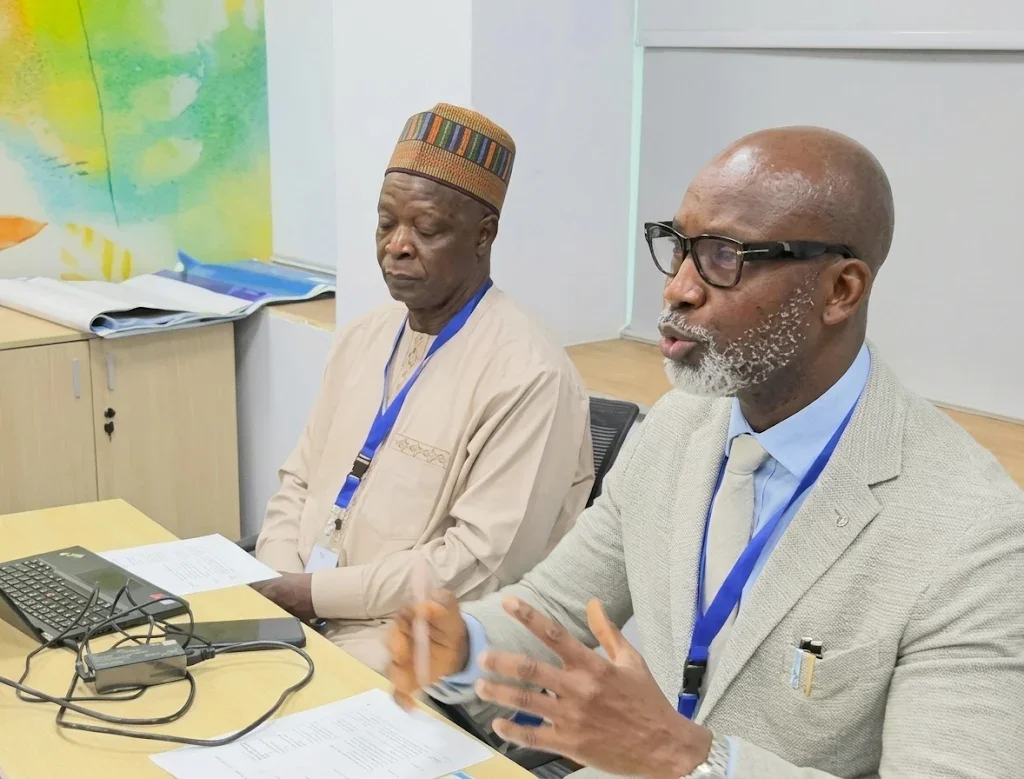
The Federal Ministry of Marine and Blue Economy says Nigeria has secured a $200 million World Bank-backed commitment to support fisheries and aquaculture production across the states.
The planned funding is expected to be made available to state governments as concessional loans for the expansion of fisheries and aquaculture activities.
The announcement comes against a large supply gap in the country’s fish needs. According to the ministry, Nigeria requires about 3.6 million tonnes of fish annually, but current production is about 1.4 million tonnes. That leaves a deficit of more than 2.2 million tonnes.
The ministry said the shortfall is largely covered by imports, which cost the country close to $1 billion a year in foreign exchange.
Officials are presenting the planned financing as part of a broader push to raise domestic fish production and improve state-level participation in the sector.
The initiative follows the inauguration of a Technical Committee on Accelerating Fish Production in August 2026. It is also tied to state-level project pipelines and investment-readiness plans, indicating that states are expected to prepare projects that can absorb the proposed funding.
No state-by-state allocation was stated in the brief, and no timeline for disbursement was provided.
Why It Matters
Fish is a major source of food and protein for many households, so a production gap of more than 2.2 million tonnes is significant. The ministry’s figures also show the pressure the shortfall places on foreign exchange, with imports costing close to $1 billion annually.
If states are able to use concessional financing effectively, the initiative could support local production rather than continued dependence on imports.
What It Means for Your Money
There is no immediate direct personal-finance change confirmed in the brief. However, the policy is aimed at reducing fish import dependence and foreign-exchange pressure by raising local production, which could matter for food supply over time.
-
The next step to watch is how state governments structure project pipelines and investment-readiness plans linked to the programme. It will also be important to monitor when the concessional loans become available and which states move first to access them.
Further official details on implementation, disbursement and production targets would clarify how quickly the initiative may affect supply.
Nigeria’s fish supply gap remains wide, and the government is turning to a $200 million World Bank-backed, state-focused aquaculture and fisheries financing plan as part of its response.
Five stories, the key numbers, and why they matter. Free, no ads.
Subscribe free


