-
OPay withdrew its planned New York Stock Exchange initial public offering after a last-minute regulatory inquiry in a foreign jurisdiction, even though Nigeria generated 89.5% of the company’s revenue in the first half of 2026. The withdrawn offer had been priced at 16 million American depositary shares at $19 each, implying gross proceeds of about $304 million before any over-allotment.
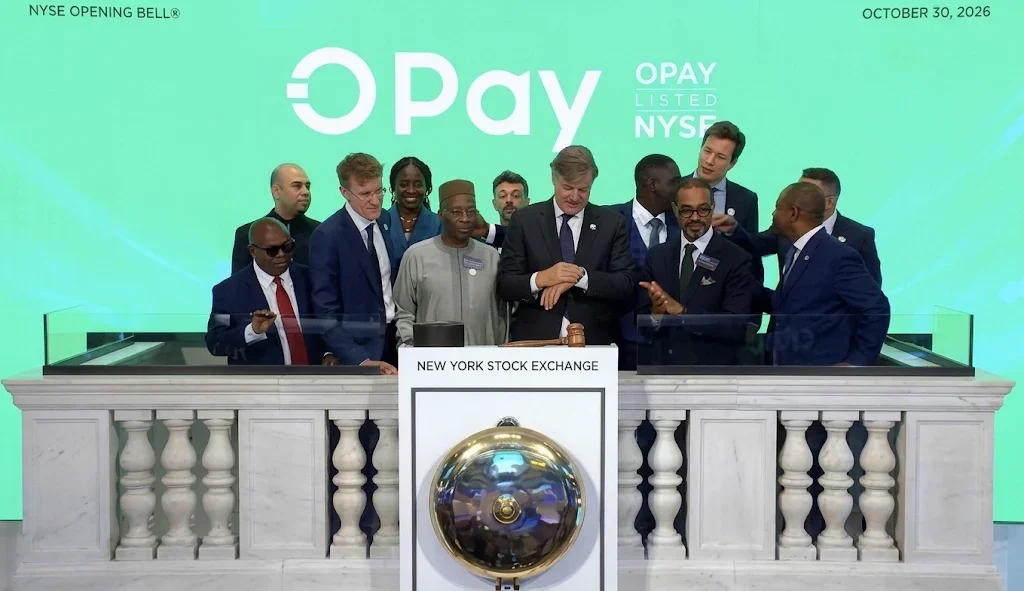
OPay has withdrawn its planned New York Stock Exchange initial public offering after a last-minute regulatory inquiry in a foreign jurisdiction, according to company filings cited in media reports.
The withdrawal stands out for Nigerian readers because Launch Base Africa reported from the filings that Nigeria accounted for 89.5% of OPay’s revenue in the first half of 2026. That means the company’s business remained heavily tied to Nigeria even as it prepared to raise fresh capital in New York.
The offer had been priced at 16 million American depositary shares at $19 each. That implied gross proceeds of about $304 million before any over-allotment.
OPay said the inquiry was immaterial to its core operations. It also said its Nigerian operations and customer services were unaffected.
BusinessDay, citing Bloomberg, reported that the inquiry was linked to China. However, OPay’s disclosure did not identify the jurisdiction or specify the issues under review.
OPay and its underwriters mutually agreed to terminate the underwriting agreement. The banks involved included Citigroup, Deutsche Bank, Standard Bank and China International Capital Corporation.
The development is notable because a New York listing would have marked a major capital markets step for one of the fintech brands most visible to everyday users in Nigeria. Instead, the process stopped after the inquiry emerged shortly before the share sale was due to proceed.
Why it matters
This matters because it links an international regulatory issue to a company whose revenues are overwhelmingly driven by Nigeria. For Nigeria-facing fintech investors, partners and industry watchers, the episode shows how offshore listing plans can be disrupted even when the company says local operations are unaffected.
It also highlights the gap between operational performance in a key market and the extra scrutiny that can arise during a cross-border public listing process.
What it means for your money
There is no direct personal-finance action for most readers from this development. For investors and startup market watchers, the main financial relevance is that OPay’s planned US capital raise did not go ahead, despite the company’s strong revenue reliance on Nigeria.
-
What to watch now is whether OPay revives the listing plan, seeks another market route, or provides fuller details on the inquiry that led to the withdrawal. Investors and industry observers will also be watching for any further company disclosure on the jurisdiction involved and whether the underwriting group is reassembled later.
For Nigerian users, the immediate point to monitor is whether OPay maintains its position that local operations and customer services remain unaffected.
OPay’s New York IPO was pulled after a foreign regulatory inquiry, but the company said the issue was immaterial to core operations and did not affect Nigeria, its biggest revenue source by far.
Five stories, the key numbers, and why they matter. Free, no ads.
Subscribe free