-
Nigeria is seeking an additional $500 million World Bank loan for its Distributed Access through Renewable Energy Scale-up project, even though about 17.13% of the original $750 million had been disbursed as of October 22, 2026. If approved, total World Bank financing for the DARES programme would rise to $1.25 billion, with Board consideration reported for December 18, 2026.
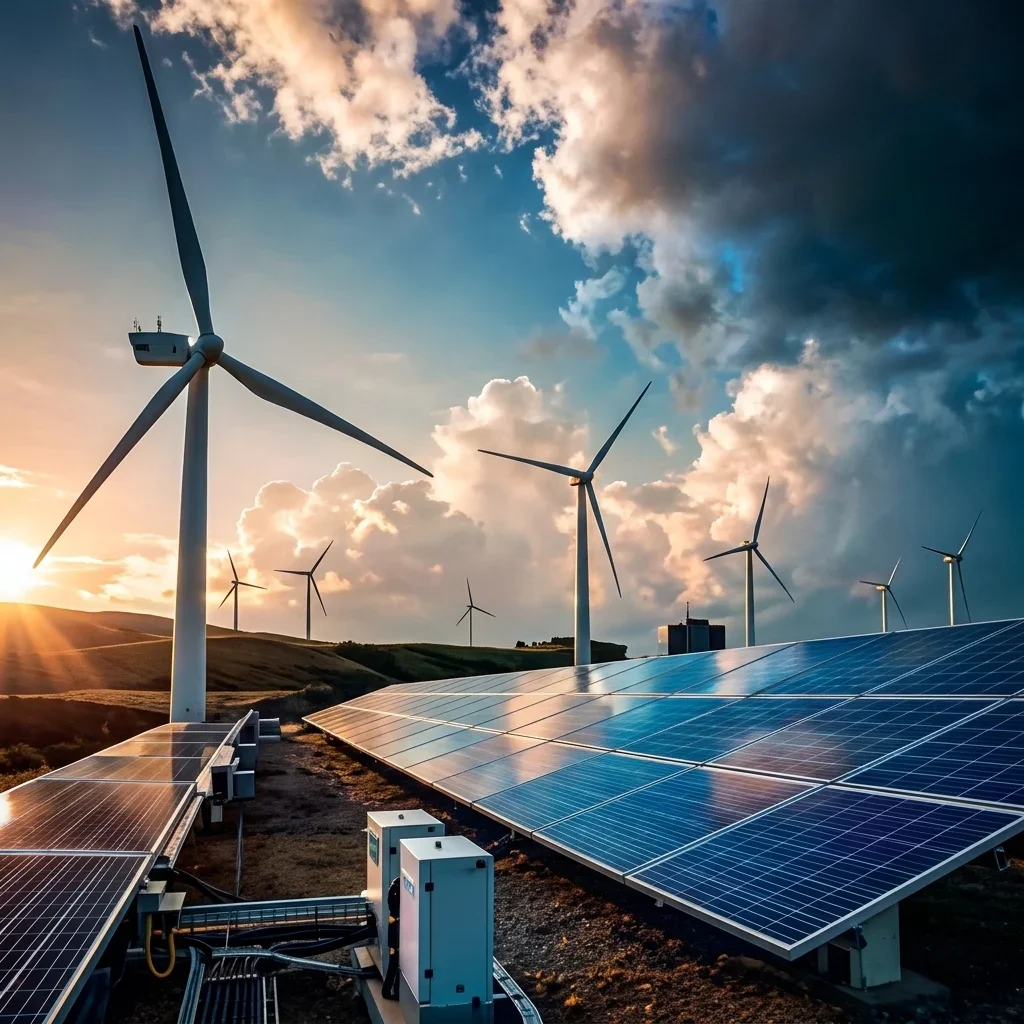
The Federal Government is seeking an additional $500 million World Bank loan for the Nigeria Distributed Access through Renewable Energy Scale-up project, known as DARES, a move that would lift total financing for the programme to $1.25 billion if approved.
That request comes after $128.44 million had been disbursed from the original $750 million commitment, according to transaction records reviewed up to October 22, 2026 and reported by Punch on November 16, 2026. The figure represents about 17.13% of the amount already approved.
The DARES additional-financing document by the Rural Electrification Agency says the scale-up is designed to support mini-grids, standalone solar systems, electrification of public institutions, productive-use energy and Solar for Business systems for micro, small and medium-sized enterprises.
Punch reported that the proposed extra financing is scheduled for World Bank Board consideration on December 18, 2026. If the request is approved, the World Bank funding attached to DARES would rise by $500 million from the current $750 million to $1.25 billion.
The fresh request signals a planned expansion of Nigeria’s renewable energy access programme rather than a change to its core focus. The verified project documents tie the proposed funding to wider deployment of decentralised electricity solutions and energy access support for businesses and public facilities.
Why it matters
The key point is not only the size of the new request, but the contrast with current disbursement levels under the original facility. For readers, that means Nigeria is asking to enlarge a major solar and rural electrification programme before most of the first tranche has been released.
The sectors named in the project document matter directly to power access: mini-grids and standalone solar can serve communities outside the grid, while electrification of public institutions and support for MSME energy use could affect schools, clinics and small businesses if implemented.
What it means for your money
There is no immediate direct personal-finance impact confirmed in the verified facts. However, the project areas identified in the financing document relate to electricity access and solar power support for MSMEs, which could matter to businesses and public institutions if the funding is approved and disbursed.
-
The immediate next step is the reported World Bank Board consideration of the additional $500 million request on December 18, 2026. Readers should also watch for whether the financing is approved and for updates on how quickly funds are actually disbursed under both the original and any expanded DARES package.
Another point to monitor is how the scale-up is allocated across mini-grids, standalone solar, public institutions, productive-use energy and Solar for Business systems for MSMEs.
Nigeria wants to raise World Bank financing for its DARES solar access programme to $1.25 billion, even as about 17.13% of the original $750 million had been disbursed by late October 2026. The next major checkpoint is the World Bank Board’s reported review of the additional funding request.
Five stories, the key numbers, and why they matter. Free, no ads.
Subscribe free