-
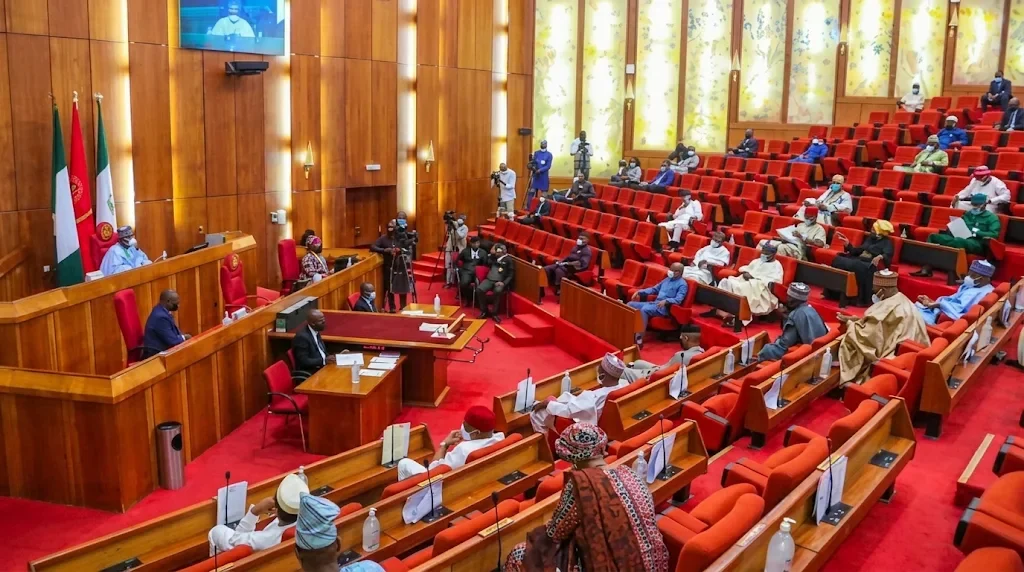
The Senate has urged the Independent National Electoral Commission to enforce the Electoral Act 2026 against candidates linked to election violence ahead of the 2027 polls. Its position, reported by Punch and Vanguard, refers to candidates found through established court convictions to have instigated or taken part in electoral violence, regardless of party affiliation.
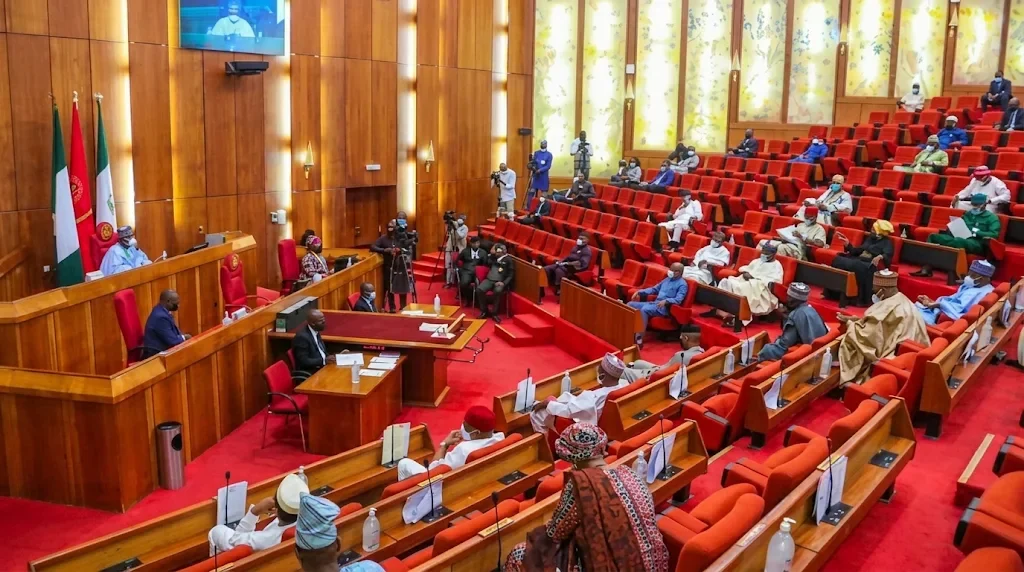
The Senate adopted resolutions on Tuesday, November 17, 2026, calling on the Independent National Electoral Commission to apply the Electoral Act 2026 against candidates linked to election violence.
According to Punch and Vanguard reports published on November 17 and 18, the Senate asked INEC to disqualify candidates found through established court convictions to have instigated or participated in electoral violence, irrespective of political party.
The motion followed reported attacks involving President Bola Tinubu, NDC presidential candidate Peter Obi, NDC running mate Rabiu Kwankwaso and ADC presidential candidate Atiku Abubakar.
As part of its resolutions, the Senate also directed its Committees on National Security and Intelligence, Police Affairs and INEC to engage relevant institutions and report back on measures to prevent further political violence ahead of the 2027 elections.
The resolution stops short of announcing any immediate disqualification. Instead, it is a call for existing electoral law to be enforced where candidates are linked to violence through court convictions.
The development places fresh attention on how political violence may be handled as parties, regulators and security institutions begin to look toward the next general election cycle.
Why it matters
The Senate’s position highlights a stricter line on election-related violence at a time when political tensions are already drawing attention. By tying disqualification to established court convictions, the resolution points to a legal threshold rather than a blanket political sanction.
It also broadens the significance of the issue beyond any one party. The reports say the Senate’s position applies irrespective of party affiliation, which makes the principle relevant across the political field ahead of 2027.
What it means for your money
There is no direct personal-finance impact confirmed in the available facts. For readers, the significance is mainly political and institutional, centred on election conduct and enforcement of the law.
-
Attention will now turn to whether INEC responds publicly to the Senate’s call and how it interprets its powers under the Electoral Act 2026. The Senate committees named in the resolution are also expected to engage relevant institutions and report back on steps to prevent further political violence ahead of the 2027 elections.
What merits close monitoring is whether any future enforcement action is tied to completed court cases, since that is the threshold cited in the reported Senate position.
The key point is that the Senate wants candidates with court-established links to electoral violence barred from the 2027 race, while its committees work with relevant institutions on wider prevention measures.
Five stories, the key numbers, and why they matter. Free, no ads.
Subscribe free