-
Eight months after Nigeria signed a financing agreement with the United Kingdom, reconstruction work at Apapa and Tin Can Island ports had still not started as of November 16, 2026, according to a BusinessDay report. The delayed project is valued at about ₦1.3 trillion, and the two Lagos ports handle more than 85% of Nigeria’s trade, based on National Bureau of Statistics data cited by the newspaper.
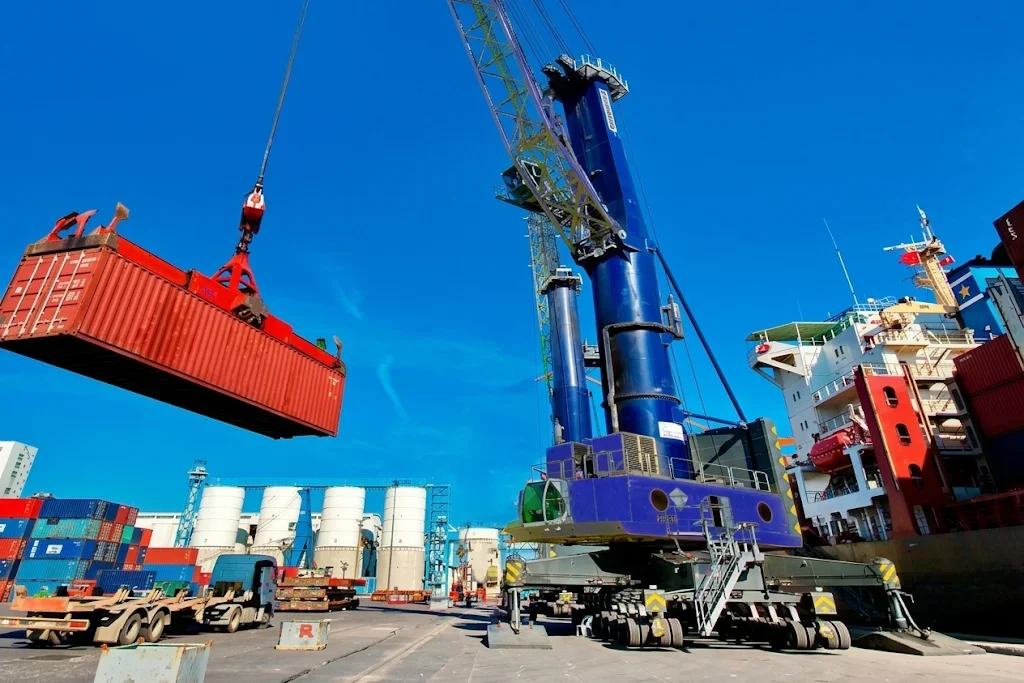
Reconstruction of Apapa and Tin Can Island ports had not started eight months after Nigeria signed a financing agreement with the United Kingdom, BusinessDay reported on November 16, 2026.
The newspaper said the stalled rehabilitation is valued at about ₦1.3 trillion, or $901.86 million, based on construction documents it cited.
The delay matters because Apapa and Tin Can Island are Nigeria’s busiest seaports. BusinessDay, citing National Bureau of Statistics data, said the two Lagos ports handle more than 85% of the country’s trade.
Operational figures cited in the report also point to pressure on port performance in the first half of 2026.
At Apapa, cargo throughput fell 5% to 535,000 tonnes in the six months to June 2026, according to Nigerian Ports Authority data cited by BusinessDay. Over the same period, vessel turnaround time rose from 5.9 days to 6.1 days.
At Tin Can Island, vessel calls fell 3.4% to 488, from 505 in the first half of 2025, based on BusinessDay’s analysis. Vessel turnaround time there also increased, rising from 4.4 days to 5.1 days.
Taken together, the figures show that the long-planned upgrade to two ports central to Nigerian trade had still not moved into execution as of mid-November, even as some key efficiency indicators weakened.
Why It Matters
The main significance is scale. These are not minor facilities: the two ports handle more than 85% of Nigeria’s trade, according to the NBS data cited by BusinessDay. A prolonged delay in rebuilding such critical gateways keeps attention on port capacity and efficiency at a time when throughput, vessel calls and turnaround times have come under pressure.
What It Means for Your Money
There is no direct personal-finance measure in the verified facts. But because Apapa and Tin Can Island handle most of Nigeria’s trade, readers and businesses may watch port performance closely for possible effects on shipping and supply chains.
-
The immediate issue to monitor is whether physical reconstruction begins after the eight-month delay reported by BusinessDay. Further updates from the Nigerian Ports Authority, government agencies or project financiers will also be important. Fresh port data on cargo volumes, vessel calls and turnaround times will show whether operating conditions improve or worsen while the rehabilitation remains stalled.
As of November 16, 2026, the key fact is that a roughly ₦1.3 trillion rebuild of Apapa and Tin Can Island ports had still not begun, despite the two facilities handling more than 85% of Nigeria’s trade.
Five stories, the key numbers, and why they matter. Free, no ads.
Subscribe free