-
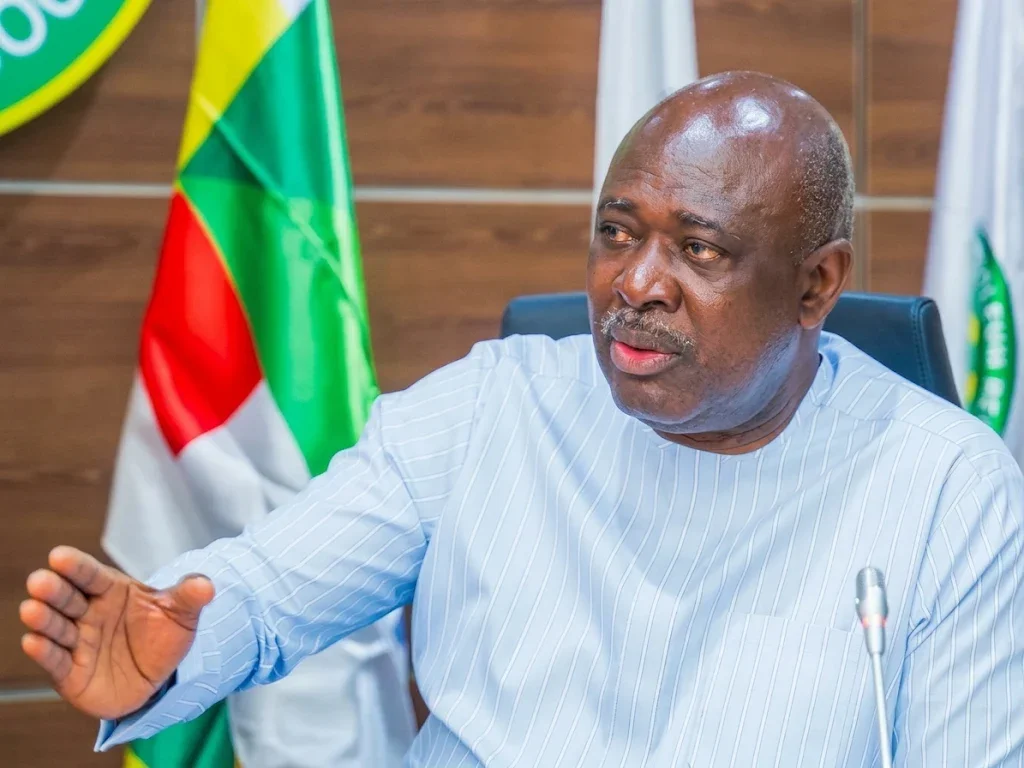
Nigeria is generating only around 5,000 megawatts from an installed capacity of about 13,625MW, according to Power Minister Joseph Tegbe. Speaking after recent outages, including in Lagos, the minister also said stable electricity for millions of homes and businesses may still take another three to five years.
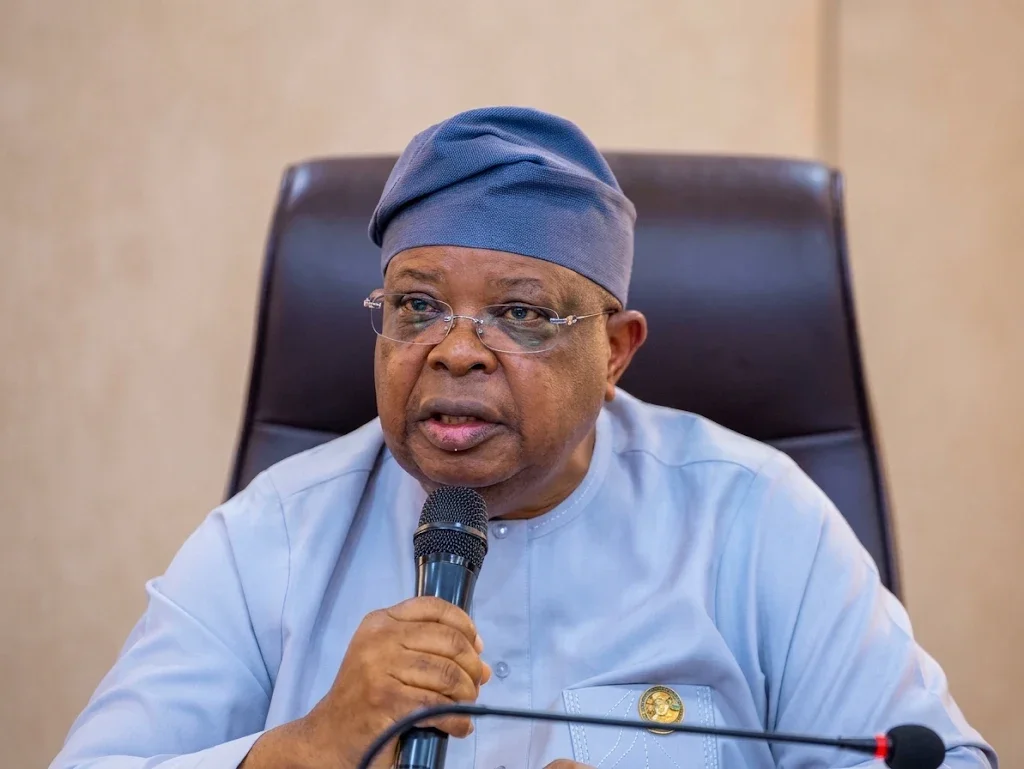
Power Minister Joseph Tegbe says Nigeria is generating only around 5,000 megawatts of electricity despite having an installed capacity of about 13,625MW, underlining the scale of the country’s power supply gap.
Tegbe spoke on Monday, November 9, 2026, while apologising to Nigerians over recent electricity outages, particularly in Lagos and other affected areas. According to the minister, the latest disruption was not a national grid collapse.
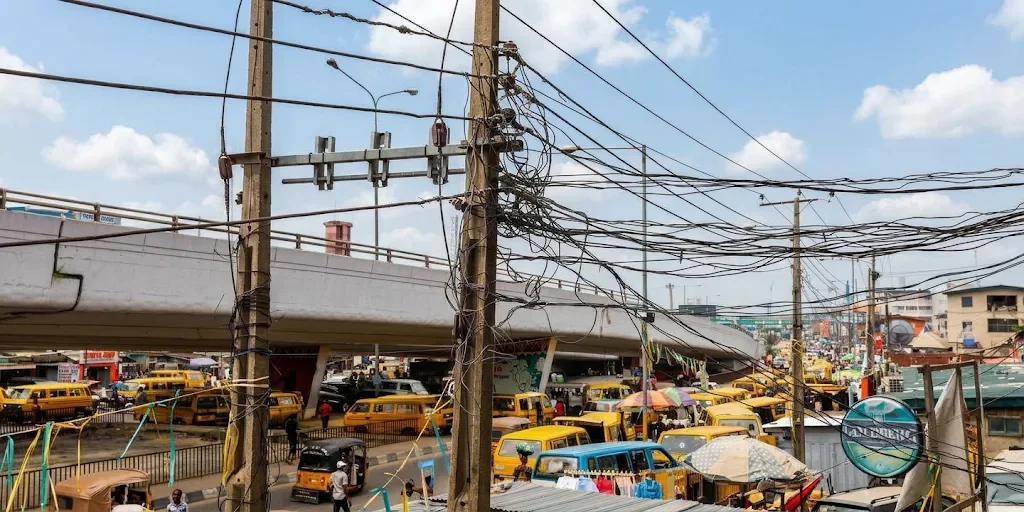
He said supply dropped because of two specific problems: planned maintenance at Egbin Power Plant and vandalism of a 330kV transmission line serving Lagos. The minister said the vandalised line normally supplies the Lagos electricity complex with between 300MW and 400MW.
He added that the disruption linked to Egbin led to a loss of nearly 800MW. Together, the two incidents contributed to the supply shortfall felt by consumers in Lagos and other affected locations.
Beyond the immediate outage, Tegbe said millions of households and businesses may have to wait another three to five years before they experience stable electricity supply. TVC reported that he linked the gap between installed capacity and actual generation to operational and infrastructure constraints.
The minister’s comments place the recent blackouts in a wider context: Nigeria’s challenge is not only temporary disruption, but also the much larger problem of converting available installed capacity into steady electricity that reaches consumers consistently.
His apology comes as power supply remains a major pressure point for homes, small businesses and larger companies that depend on public electricity for daily operations.
Why it matters
The minister’s figures show that Nigeria’s electricity problem goes beyond a single outage. Even with installed capacity above 13,000MW, actual generation of around 5,000MW means supply remains far below what many consumers need, helping to explain recurring shortages and load shedding.
What it means for your money
For many Nigerians, unstable grid power can mean continued spending on alternatives such as generators and other backup power sources. Beyond that, this development has no direct personal-finance action attached and does not amount to investment guidance.
-
What merits close watching now is whether supply improves in Lagos and other affected areas after the Egbin maintenance issue and the vandalised 330kV transmission line are addressed. Readers will also be looking for further official updates on steps to close the gap between installed capacity and actual generation, especially given the minister’s three-to-five-year timeline for more stable electricity.
The key takeaway is that Nigeria’s power challenge remains structural: actual generation is far below installed capacity, and the minister says stable electricity is still years away for many households and businesses.
Five stories, the key numbers, and why they matter. Free, no ads.
Subscribe free