-
Manufacturers say borrowing costs of about 32% to 36%, alongside steep electricity and diesel prices, are putting factory operations under serious pressure. The warning came from Manufacturers Association of Nigeria President Ifeanyi Okoye at the 42nd Annual General Meeting, Conference and Exhibition of MAN’s Rivers/Bayelsa Branch in Port Harcourt on November 4, 2026
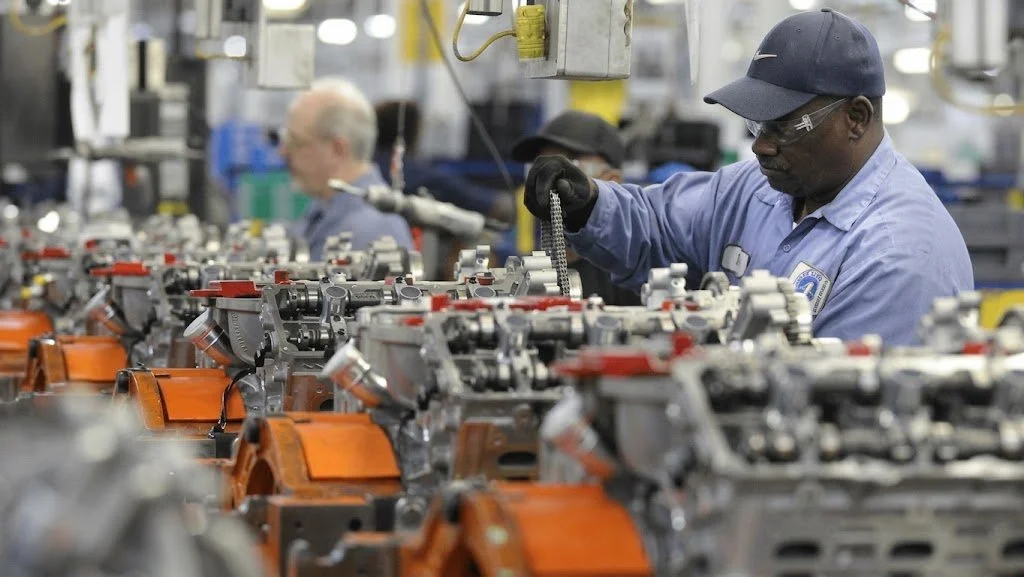
Manufacturers have warned that lending rates of about 32% to 36% are threatening the viability of factory operations in Nigeria, as firms also grapple with high electricity and diesel costs.
The warning was issued by the President of the Manufacturers Association of Nigeria, Ifeanyi Okoye, at the 42nd Annual General Meeting, Conference and Exhibition of MAN’s Rivers/Bayelsa Branch held in Port Harcourt on November 4, 2026.
Okoye said manufacturers were operating under intense cost pressure from financing and energy bills. He cited electricity costs of around ₦230 to ₦285 per kilowatt-hour and diesel prices of about ₦2,000 per litre as part of the burden facing the sector.
He also pushed back against claims that interest rates available to manufacturers had been falling over the past year. According to him, rates had instead continued to rise despite bank recapitalisation.
Beyond financing costs, Okoye said policy support should be better targeted at productive businesses. He argued that tax incentives should reward companies that create jobs, export goods and use local raw materials.
The comments underline the pressure on manufacturers at a time when access to affordable credit remains a major concern for businesses that need funds for raw materials, machinery, expansion and day-to-day operations. High energy costs add to that pressure, especially for firms that depend on self-generated power or diesel-backed production.
Why It Matters
Manufacturing is important to jobs, local production and supply chains across the wider economy. When borrowing and energy costs stay high, factories can face tighter margins, weaker capacity to expand and more difficulty planning production.
Okoye’s remarks also matter because they challenge the view that financing conditions for manufacturers have improved. If industry borrowing costs are still rising, that could shape debates around credit access, industrial policy and the kind of incentives businesses say they need.
What It Means for Your Money
For households, there is no direct personal-finance action in this development. However, sustained pressure on factory financing and energy costs can matter indirectly if it affects production costs, business expansion or the availability of locally made goods.
-
Attention will likely remain on whether manufacturers receive any policy response on credit conditions, energy costs or tax incentives. It will also be worth watching whether other industry groups echo MAN’s position on lending rates and operating costs. Any official response from financial or economic authorities could further shape the discussion around support for the sector.
Closing Summary
Manufacturers say factory viability is under strain from borrowing costs of about 32% to 36% and steep energy prices, reinforcing concerns about the operating environment for Nigerian industry.
Five stories, the key numbers, and why they matter. Free, no ads.
Subscribe free