-
Abandoned projects across Nigeria are estimated to have tied down more than ₦17 trillion, according to the Federal Government and the Chartered Institute of Project Managers of Nigeria. The issue was raised at CIPMN’s 8th annual induction and conference ceremony, where officials also outlined new measures including a 90-day reporting cycle and a university project-management curriculum approved by the National Universities Commission.
Abandoned projects across Nigeria are estimated to have tied down more than ₦17 trillion, the Federal Government and the Chartered Institute of Project Managers of Nigeria said.
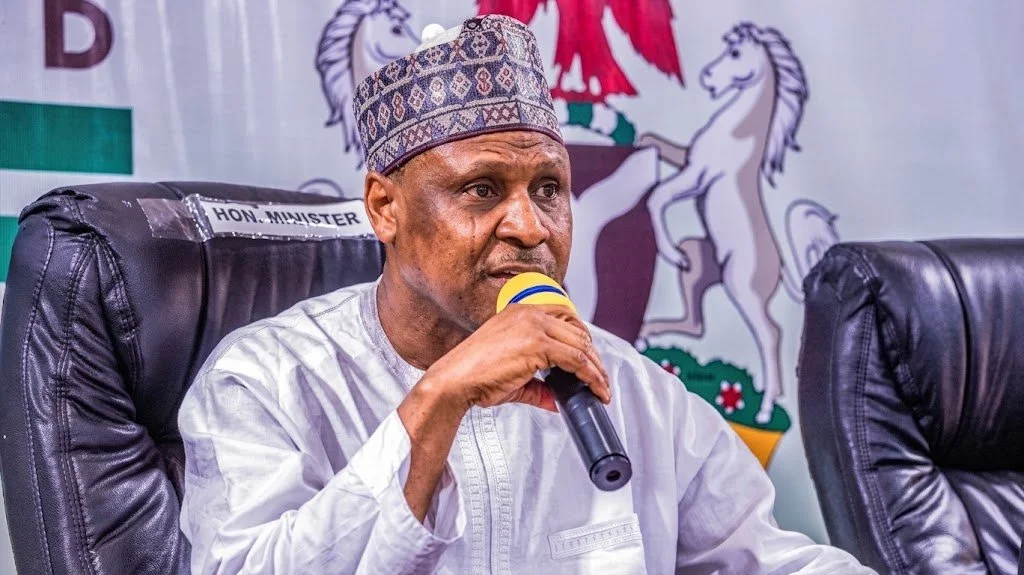
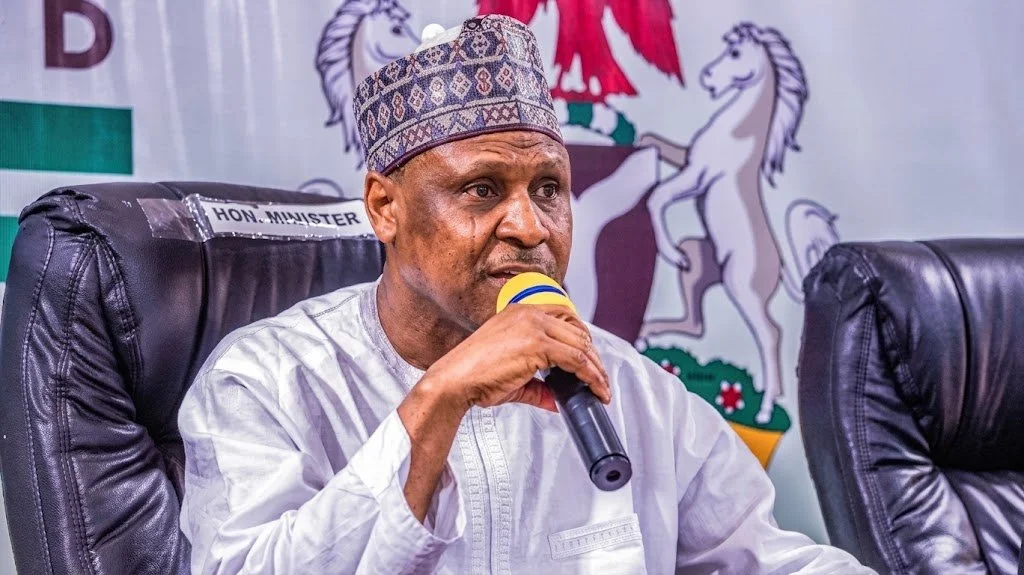
The issue was raised at CIPMN’s 8th annual induction and conference ceremony by the Minister of State for Industry, Trade and Investment, John Owan Enoh, who was represented by the ministry’s Permanent Secretary, Chris Osa Isokpunwu.
At the event, CIPMN Registrar-General Henry Ifeanyi Mbadiwe pointed to longstanding weaknesses in project execution and referenced a 2011 Presidential Projects Assessment Committee finding. According to that committee, there were 11,886 ongoing federal capital projects at the time, with an estimated financial commitment of about ₦7.78 trillion.
Officials used the conference to push for stronger project-management standards as part of efforts to reduce failures in public project delivery.
Mbadiwe said CIPMN had developed a project management curriculum for Nigerian universities and that it had been approved by the National Universities Commission. The institute said the curriculum is intended to help address project-execution failures by building professional capacity earlier in the education system.
The Federal Government also said the ministry had adopted a 90-day implementation reporting cycle. According to the ministry, the reporting framework is meant to track programme execution, improve transparency and identify implementation challenges.
The statements from government and CIPMN did not provide a project-by-project breakdown in the facts supplied, but they underscored the scale of funds tied up in incomplete work and the official concern over execution standards.
Why it matters
A figure of more than ₦17 trillion shows the scale of resources locked in unfinished public projects. For readers, it highlights a basic governance problem: money can be committed for roads, buildings and other public works without projects being completed or fully delivering their intended benefit.
The other key point is that the response being outlined is structural, not just rhetorical. A university curriculum approved by the NUC and a 90-day reporting cycle suggest an attempt to improve how projects are planned, monitored and executed.
What it means for your money
There is no direct personal-finance action for readers from this announcement. However, incomplete public projects can affect service delivery and the value Nigerians get from public spending, even though no household-level financial effect was quantified in the verified facts.
-
What to watch next is whether the 90-day implementation reporting cycle produces regular public updates on programme execution and identified bottlenecks. It will also be important to monitor how the NUC-approved project management curriculum is introduced in universities and whether it feeds into better execution standards over time.
Further official details, if released, may clarify the sectors or types of projects included in the estimate of more than ₦17 trillion tied down in abandoned works.
The central takeaway is that the Federal Government and CIPMN say abandoned projects in Nigeria now account for more than ₦17 trillion, and both institutions are pointing to tighter monitoring and project-management training as part of the response.
Five stories, the key numbers, and why they matter. Free, no ads.
Subscribe free