-
Dangote Petroleum Refinery exported at least 208,000 metric tons of premium motor spirit in five cargoes between October 30 and November 6, 2026, according to vessel movement records reviewed by Petroleumprice.ng and reported by BusinessDay. Of that total, four cargoes explicitly headed for West African markets, accounting for 168,000 tons shipped within the eight-day period.
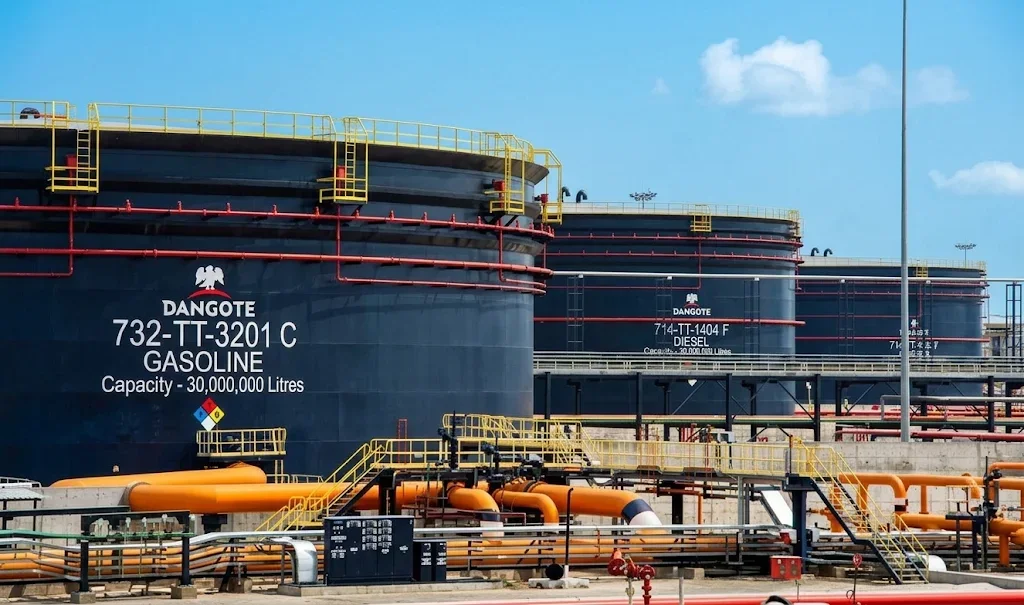
Dangote Petroleum Refinery shipped at least 208,000 metric tons of premium motor spirit, also known as petrol, in five cargoes between October 30 and November 6, 2026, according to vessel movement records reviewed by Petroleumprice.ng and reported by BusinessDay.
The records show that four of the five cargoes, totalling 168,000 tons, were explicitly assigned to West African markets. The remaining cargo carried 40,000 tons, but the receiving country or port was not specified in the records cited.
Three vessels loaded a combined 128,000 tons on October 30. UM Balwa carried 44,000 tons to West Africa, Precious Balboa also carried 44,000 tons to West Africa, while NCC Qamar carried 40,000 tons without a named destination country or port in the available records.
A further two cargoes left in the following days. UM Kiso carried 40,000 tons to Tema, Ghana, on November 3, while Fair Wonder carried another 40,000 tons to West Africa on November 6.
The five named vessels were UM Balwa, NCC Qamar, Precious Balboa, UM Kiso and Fair Wonder. Each carried between 40,000 and 44,000 tons of petrol during the period covered by the report.
The available vessel records did not identify the buyers, sale prices or contract terms. They also did not show how the export volumes compared with Dangote Refinery’s domestic sales or its total output over the same period.
Why it matters
The shipments point to a notable flow of petrol from Nigeria into neighbouring markets within a short period. They also show that West Africa was the clearest named destination for most of the exported volume in the reviewed records.
At the same time, the records leave important gaps. Without buyer details, pricing information or a comparison with domestic supply, the export data alone does not show the broader commercial impact of the shipments.
What it means for your money
This report does not by itself show any direct impact on pump prices or household costs in Nigeria. The vessel records cited do not state prices, contract terms, or how the exports compare with domestic petrol supply.
-
What merits monitoring now is whether further vessel records show continued petrol exports from the refinery and whether more destinations are disclosed. It will also be important to watch for official or company data that puts these export volumes alongside domestic sales or total refinery output, since the current records do not provide that comparison.
At least 208,000 metric tons of petrol left Dangote Refinery in five cargoes over eight days, with 168,000 tons clearly bound for West African markets. The shipments are significant, but the available records do not yet show the buyers, prices or the relationship between exports and local supply.
Five stories, the key numbers, and why they matter. Free, no ads.
Subscribe free