-
The Bank of Industry says it secured more than €2.22 billion and ₦250 billion through financing transactions concluded between 2024 and 2026 to widen funding for Nigerian businesses. It said the package includes a €1.879 billion syndicated facility, €210 million from development partners and a ₦250 billion development bond issued in 2026, alongside targeted European Investment Bank funding for agriculture and healthcare manufacturing.
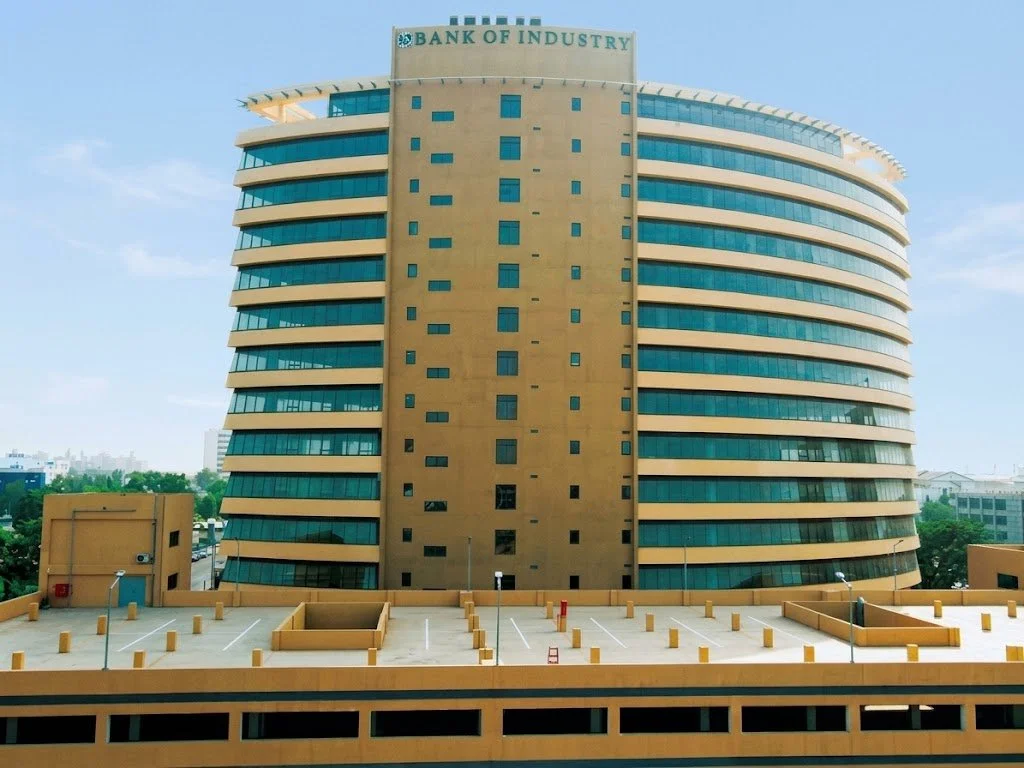
The Bank of Industry (BOI) says it has secured more than €2.22 billion and ₦250 billion through financing transactions concluded between 2024 and 2026, as it seeks to expand lending to Nigeria’s industrial and productive sectors.
According to the bank, the package includes a €1.879 billion syndicated facility, €210 million from development partners and a ₦250 billion development bond issued in 2026.
BOI also reported receiving €85 million from the European Investment Bank for agriculture and €50 million from the same lender for healthcare manufacturing.
The lender linked the financing to its drive to help bridge long-standing funding gaps facing businesses in sectors considered important to industrial growth and local production.
BOI also gave an update on its recent lending activity. It said it disbursed ₦644.9 billion in 2025 to 12,501 businesses and that the financing supported or created 1.68 million jobs.
The figures point to the scale of the institution’s role in development finance, especially for businesses that may struggle to access long-term funding on commercial terms. The latest funding pool adds both foreign-currency and naira resources to BOI’s balance sheet for onward lending.
Why it matters
Access to patient, lower-cost finance remains a major challenge for many Nigerian manufacturers, agro-processors and other industrial businesses. Fresh funding for BOI is significant because the institution is one of the country’s main channels for development finance, often targeting sectors tied to production, jobs and import substitution.
The inclusion of earmarked support for agriculture and healthcare manufacturing also matters in areas where Nigeria has pushed for stronger local capacity. BOI’s 2025 disbursement and jobs figures suggest that the bank’s lending decisions can have effects beyond individual firms, especially for employment and domestic output.
What it means for your money
For households and small business owners, there is no immediate direct personal-finance change announced here. The practical impact to watch is whether expanded BOI funding translates into more accessible credit for businesses, investment in local production and job opportunities over time.
-
What matters next is how quickly BOI deploys the newly secured funds and which industries or business segments receive the largest share. It will also be important to monitor future disclosures on disbursements, loan terms and measurable outcomes such as business support and jobs linked to the financing.
BOI says it has raised more than €2.22 billion and ₦250 billion between 2024 and 2026 to deepen industrial lending, adding to its role as a key development financier for Nigerian businesses. The main issue now is how effectively that funding is channelled into productive sectors and real economic activity.
Five stories, the key numbers, and why they matter. Free, no ads.
Subscribe free