

-
Wema Bank has awarded a total of ₦300 million to 11 Nigerian innovators at the seventh edition of its Hackaholics programme, supporting technology-driven solutions in agriculture, healthcare, education, environmental sustainability and other sectors. The competition attracted 5,329 participants who submitted 1,632 ideas, with the winners receiving funding to develop their innovations into businesses and practical solutions.
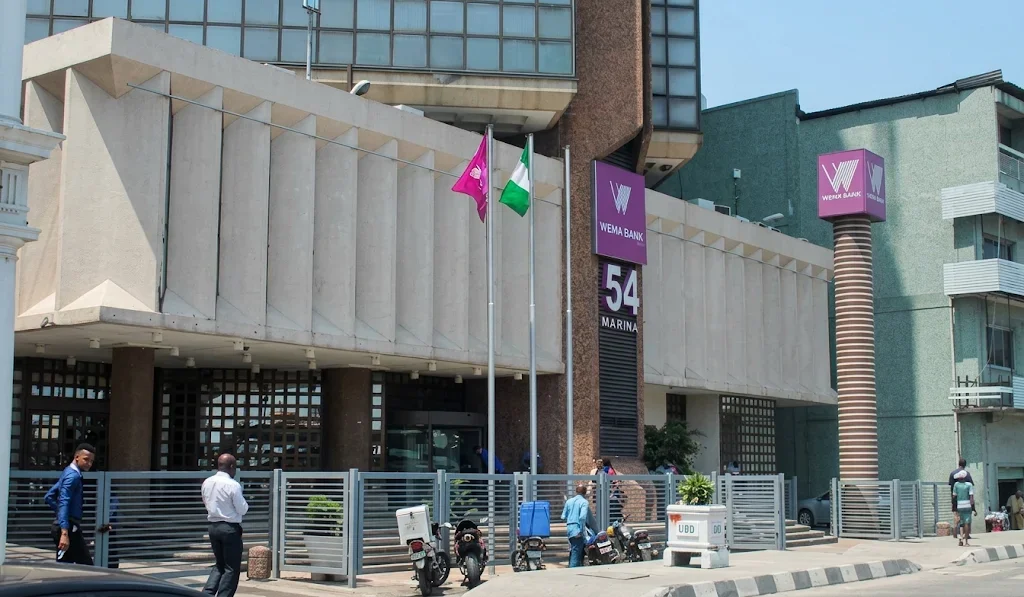
The winners were announced at the Hackaholics 7.0 grand finale, themed Festival of the Future, held in Lagos on November 6, 2026. The programme featured four categories: Startup/Ideathon, Social Impact, Women-Led and Hackathon.
Tony Niteon Nwose, founder of Niteon, received the ₦60 million grand prize for developing an agricultural technology platform that connects farmers with processors, financial services and market opportunities. The platform is designed to help farmers expand production and reach wider markets, including international buyers.
Other winners included Emmanuel Adeboje of Acceede, who received ₦40 million for an education-focused solution, and David Lawani of All-Arbitrates, who won ₦20 million for a digital platform supporting arbitration and dispute resolution. In the Social Impact category, Kabir Olaosebikan of Craft Planet received ₦40 million for an innovation that converts plastic waste into sustainable building materials.
Samuel Ayomide Shonubi of SocialSign won ₦30 million for sign language technology, while Oluwaseyi Whyte Akinlolu of Harthio received ₦20 million for a mental wellness solution. In the Women-Led category, Zainab Boluwatife Adeagbo of MamaAlert won ₦20 million for a digital healthcare innovation, while Precious Zino of URI received ₦10 million for an AI-powered marketing platform.
The Hackathon category produced three winners. Kelvin Nnadi of Neural Forge received ₦30 million for an AI-powered medical diagnostic solution, David Campbell of Nexa AI won ₦20 million for a customer intelligence platform, and Uti Henry of Vhorde received ₦10 million for IRIS, AI-powered smart glasses designed to help visually impaired people navigate their surroundings.
The competition attracted participants through seven pitch centres in Uyo, Kano, Yaba College of Technology, Benin, Ibadan, Enugu and Lagos. Following the nationwide selection exercise, 59 participants emerged, while 21 finalists were shortlisted to compete for the awards.
Wema Bank’s Managing Director and Chief Executive Officer, Moruf Oseni, said access to funding, mentorship, partnerships and business networks remained important for helping startups turn innovative ideas into commercially viable businesses. The bank said the programme would continue to provide financial and institutional support to emerging entrepreneurs.
Why it matters
Access to funding remains a major challenge for many Nigerian startups, particularly businesses developing technology-based solutions. Programmes such as Hackaholics provide financial support and exposure that can help innovators move beyond the idea stage, develop products and create employment opportunities.
What it means for your money
The awards do not provide direct cash benefits to customers or members of the public. However, successful innovations in agriculture, healthcare, education and other sectors could eventually improve services, create jobs and support businesses. For example, technology that connects farmers to markets and financing could improve agricultural productivity and strengthen food supply chains.
-
The key issue is how the winning businesses use the funding to develop and expand their solutions. Their ability to attract customers, build sustainable operations and generate revenue will determine whether the innovations can grow beyond the competition and deliver lasting economic benefits.
Since its introduction in 2019, Hackaholics has developed into a platform for identifying and supporting emerging entrepreneurs. Wema Bank says the initiative has attracted more than 21,000 applicants across seven editions, engaged over 50,000 participants and contributed to the development of more than 100 solutions. The latest ₦300 million award adds to the bank’s efforts to support technology-driven businesses and entrepreneurship in Nigeria.
Five stories, the key numbers, and why they matter. Free, no ads.
Subscribe free


