-
President Bola Tinubu has asked the National Assembly to approve about $20.52 billion and €1.045 billion under the 2026-2027 Supplementary External Borrowing Plan. The request has drawn attention because of its size, while the presidency says the funds are meant to back infrastructure and other priority sectors as part of a push toward a $1 trillion economy by 2030.
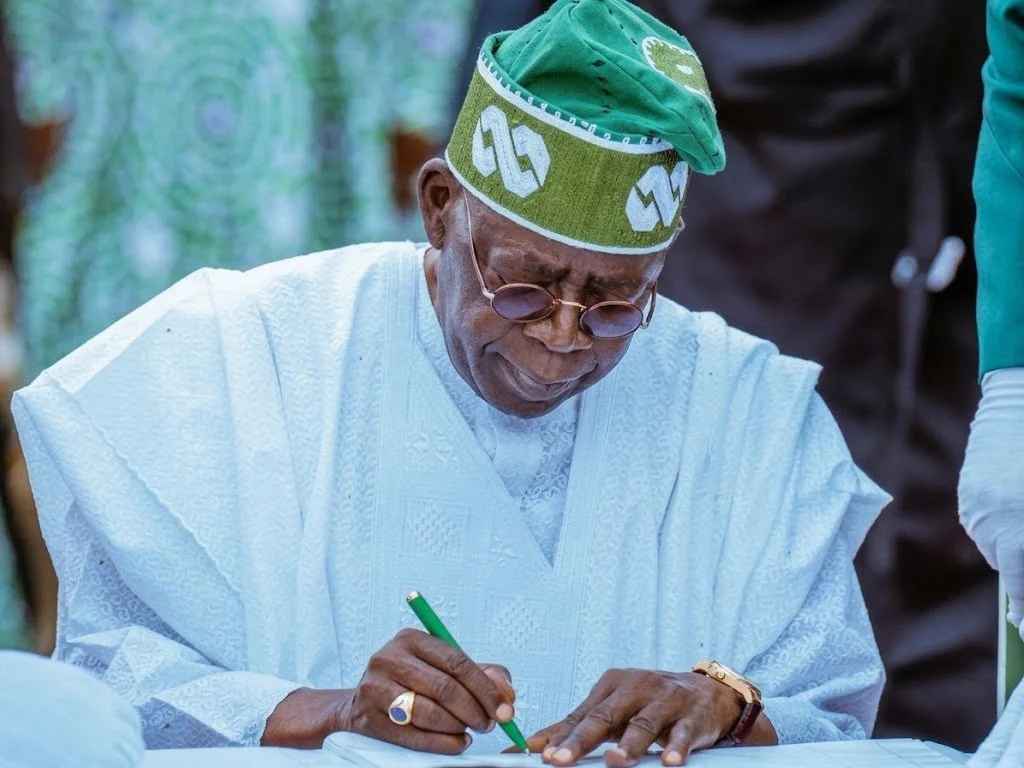
President Bola Tinubu has asked the National Assembly to approve about $20.52 billion and €1.045 billion under the 2026-2027 Supplementary External Borrowing Plan.
The request was presented to the Senate on Tuesday, October 27, 2026. Senate President Godswill Akpabio referred it to the relevant committees and asked them to report back within one week.
According to the president, the proposed financing would support sectors including infrastructure, power, transport, healthcare, agriculture, education, security and job creation.
The borrowing request has attracted scrutiny because of its scale and the implications of additional external debt. In response, Tinubu later defended the plan as part of a broader strategy to build the infrastructure needed for Nigeria to pursue a $1 trillion economy by 2030.
The presidency’s argument centres on using external financing to fund projects across key sectors that can lift productive capacity and support long-term growth. The matter now rests with the National Assembly committees reviewing the request before presenting their findings to the Senate.
Why it matters
The request is significant because it points to the federal government’s financing approach for major development needs. Supporters will see it as an effort to close infrastructure gaps across power, transport and social sectors, while critics are likely to focus on debt sustainability and how borrowed funds will be used.
It also matters because National Assembly scrutiny will shape the next stage of the borrowing plan. The committee review is the immediate test of whether lawmakers are satisfied with the rationale and proposed use of the funds.
What it means for your money
For households and businesses, there is no immediate direct financial change from the request alone. However, borrowing tied to infrastructure, power, transport and agriculture could have longer-term effects on economic activity and the cost of doing business if approved and effectively deployed.
-
The immediate next step is the committee review ordered by the Senate President, with a report expected within one week of the referral. What merits close watching is how lawmakers assess the size of the request, the sectors listed for funding and the government’s case that the borrowing supports infrastructure-led growth.
Tinubu’s latest external borrowing request has moved into legislative review, with the presidency arguing that the funds are needed for infrastructure and other priority sectors. The key issue now is whether lawmakers accept that case and clear the plan after committee scrutiny.
Five stories, the key numbers, and why they matter. Free, no ads.
Subscribe free