-
The House of Representatives ad hoc committee investigating poor telecom services has given the chief executives of MTN Nigeria, Airtel Nigeria, Globacom, Mafab Communications and other operators until November 4, 2026 to appear before it. Lawmakers said they want the companies to answer complaints about dropped calls, poor internet connectivity, failed airtime and data transactions, and inadequate coverage, warning that non-appearance could lead to arrest warrants.
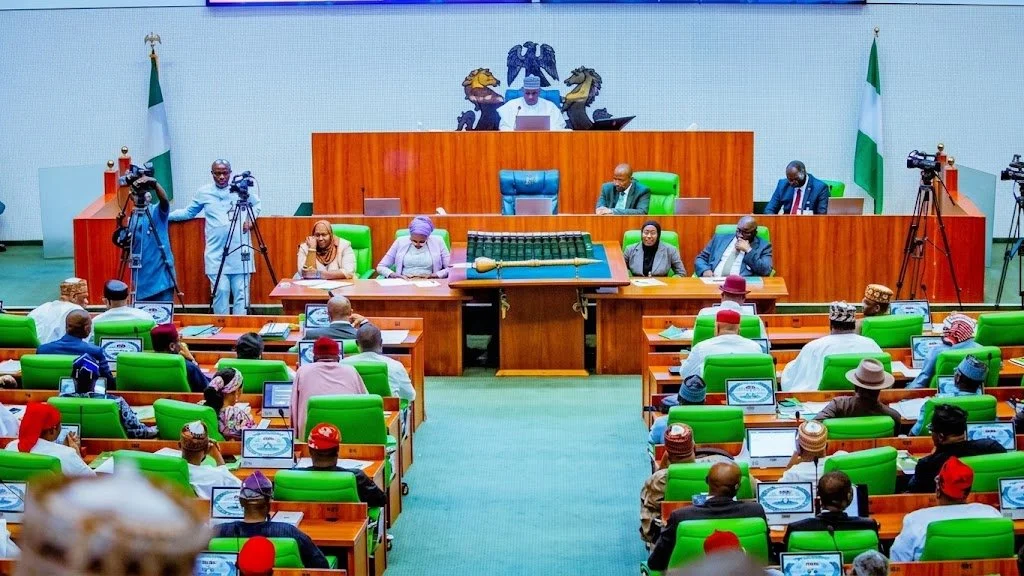
The House of Representatives ad hoc committee probing poor telecom services has threatened to seek arrest warrants for top telecom executives who fail to honour its summons.
The committee gave the chief executives of MTN Nigeria, Airtel Nigeria, Globacom, Mafab Communications and other operators until November 4, 2026 to appear before it.
Lawmakers are examining complaints from subscribers over dropped calls, poor internet connectivity, failed airtime and data transactions, and inadequate network coverage.
At the session, the committee rejected an attempt by the Association of Licensed Telecom Operators of Nigeria, represented by its chairman, Gbenga Adebayo, to speak for the operators collectively. The panel insisted that the telecom chiefs must appear in person.
The warning raises pressure on major industry players as public frustration over service quality persists. It also signals that lawmakers want direct explanations from decision-makers rather than umbrella industry representation.
The development comes after the Nigerian Communications Commission said on October 20 that 75 million subscribers received airtime compensation for poor telecom service in 2026. That disclosure had already underscored the scale of service complaints within the sector.
By setting a fresh deadline and threatening tougher action, the House panel has moved the matter from routine regulatory concern to a more public confrontation between lawmakers and telecom operators.
Why it matters
Telecom networks are central to daily communication, online services, banking alerts, remote work and business operations across Nigeria. When service quality falls, the effects spread quickly to consumers and firms that depend on stable calls and internet access.
The committee’s stance also highlights growing political and public scrutiny of the telecom sector. Its insistence on the personal appearance of company chief executives suggests lawmakers want clearer accountability for service failures affecting millions of users.
What it means for your money
Poor network service can disrupt airtime and data purchases and make it harder for users to get value from what they pay for. While the immediate issue is service quality rather than a new tariff or payment rule, subscribers may watch closely for any follow-up measures that affect compensation, service standards or complaint handling.
-
The immediate next step is whether the telecom chief executives appear before the House committee by November 4, 2026. If they do not, lawmakers have said arrest warrants could follow.
It will also be important to watch whether the hearing produces specific directives on service quality, consumer redress or further engagement with regulators and operators.
Nigeria’s House panel has escalated pressure on telecom operators by summoning their chief executives directly over persistent network complaints and warning of arrest warrants for non-appearance. The key issue now is whether the companies comply and what action follows for subscribers seeking better service.
Five stories, the key numbers, and why they matter. Free, no ads.
Subscribe free