-
President Bola Tinubu has asked the National Assembly to approve external borrowing of about $20.52 billion and €1.04 billion under the 2026-2027 supplementary external borrowing plan. Finance Minister Taiwo Oyedele says the proposed loans should be seen as investment, with about $10.6 billion earmarked for transport infrastructure including the Sokoto-Badagry and Lagos-Calabar highways and the Kano-Kaduna rail project.
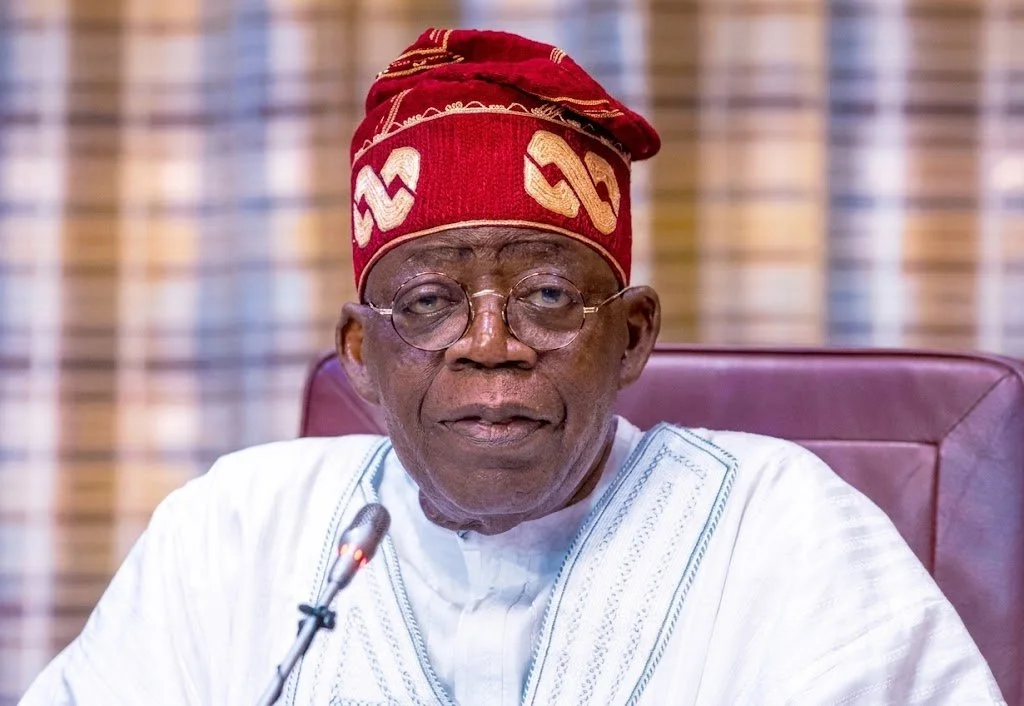
President Bola Tinubu has asked the National Assembly to approve external borrowing of about $20.52 billion and €1.04 billion under the 2026-2027 supplementary external borrowing plan.
The request was read in the Senate on Tuesday, October 27, 2026. It was then referred to the relevant committees, which were given one week to report back.
On Wednesday, October 28, Finance Minister Taiwo Oyedele said the proposed borrowing should be viewed as investment intended to create assets and generate economic returns.
According to Oyedele, about $10.6 billion in the plan is meant for transport infrastructure. He identified the projects as including the Sokoto-Badagry highway, the Lagos-Calabar highway and the Kano-Kaduna rail project.
The borrowing request now moves through the legislative review process, with lawmakers expected to examine the plan through the committees handling the matter before any final approval decision.
Why it matters
The size of the proposed borrowing makes it a major economic policy issue. It points to the federal government’s plan to use external financing for large capital projects, especially in transport.
How the National Assembly responds will shape the pace and structure of those investments. The government’s position, as stated by the finance minister, is that the loans are intended to build assets that can support broader economic activity rather than fund routine spending.
What it means for your money
For households and businesses, the most direct relevance is the focus on transport infrastructure, which can affect travel, logistics and the movement of goods over time. However, the brief does not provide any confirmed immediate effect on prices, taxes, exchange rates or personal income, so any near-term financial impact remains unclear.
-
The immediate next step is the National Assembly’s committee review after the borrowing request was referred in the Senate. The committees were given a one-week timeline to report back, so attention will be on their findings and whether lawmakers grant approval.
It will also be worth monitoring whether further official details emerge on the structure of the borrowing and the listed transport projects within the plan.
Tinubu’s request for approval to borrow about $20.52 billion and €1.04 billion has entered the National Assembly review stage, with the government arguing the funds are for investment in major transport assets. The key issue now is whether lawmakers endorse the plan and on what terms.
Five stories, the key numbers, and why they matter. Free, no ads.
Subscribe free