-
The Federal Government’s push to bring inflation below 10 percent before the end of 2027 is facing an early test as bank lending costs move in the opposite direction. Although the Central Bank of Nigeria cut its benchmark rate to 23 percent in September 2026 and headline inflation eased, the average maximum lending rate still rose sharply, underlining the pressure on borrowing and business activity
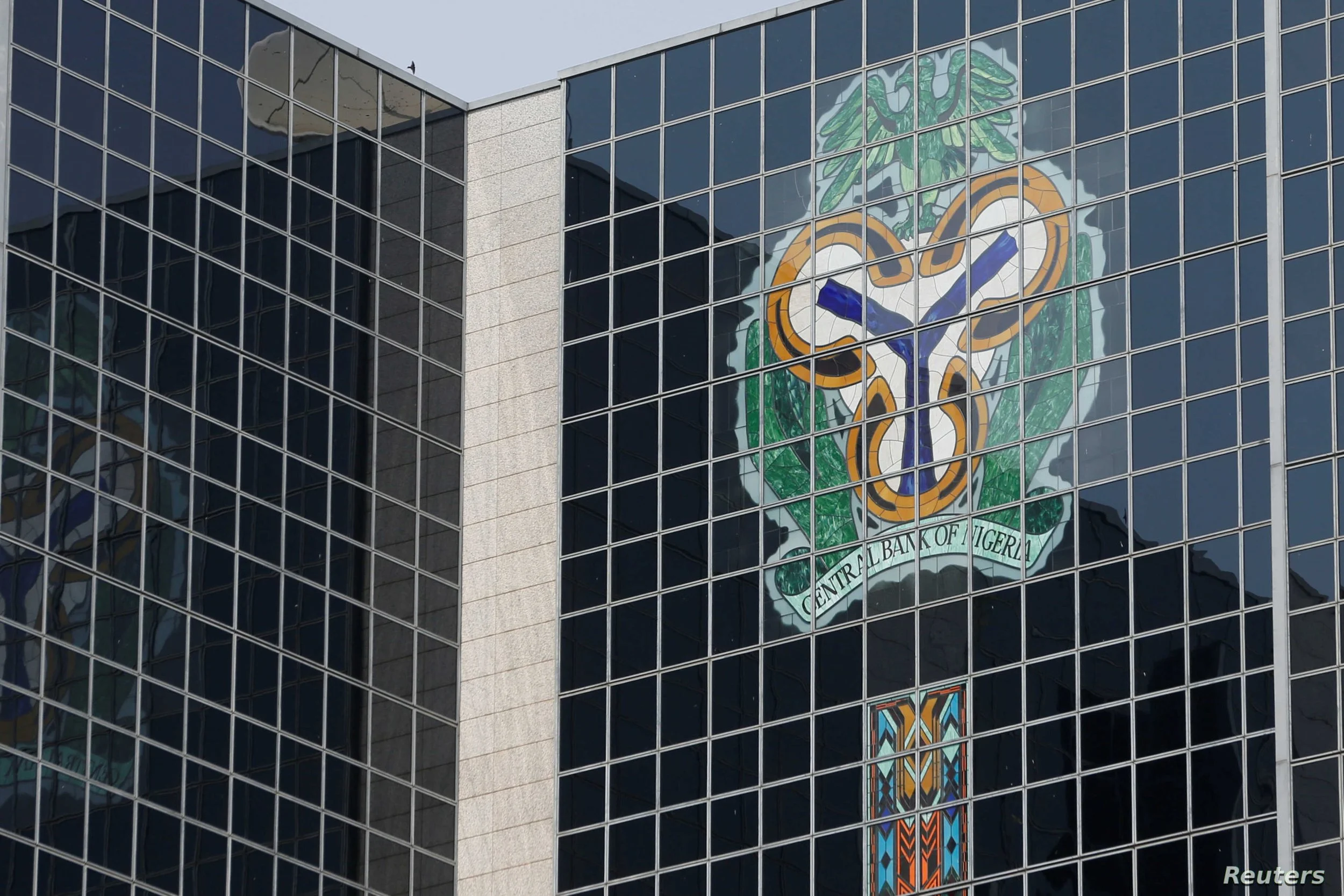
The Federal Government’s target of reducing inflation to single digits before the end of 2027 is coming under scrutiny as commercial lending rates continue to rise despite a cut in the Central Bank of Nigeria’s policy rate.
Finance Minister Taiwo Oyedele has said the government wants inflation below 10 percent before the end of 2027. That ambition comes at a time when inflation data is showing some easing, but borrowing conditions remain tight.
In September 2026, the CBN reduced its benchmark Monetary Policy Rate to 23 percent. Normally, a lower policy rate is expected to help moderate borrowing costs across the economy. However, the latest available figures show that average maximum bank lending rate rose to 32.62 percent in September, up from 29.20 percent in August.
That increase suggests that the reduction in the benchmark rate has not yet translated into cheaper credit for many borrowers. It also raises fresh questions about how quickly monetary easing can support businesses, investment and broader economic activity.
Inflation figures, meanwhile, moved in a more encouraging direction. Headline inflation fell to 14.63 percent in September from 15.39 percent in August. Food inflation, however, remained at 19.59 percent, indicating that price pressures in a key area of household spending are still elevated.
The contrast between moderating headline inflation and rising lending rates highlights a difficult balancing act for policymakers. Lower inflation can support the government’s target, but persistently high borrowing costs can weaken the ability of firms and consumers to benefit from that progress.
Why it matters
This matters because inflation and lending rates are central to how quickly the wider economy can stabilise. A fall in headline inflation is positive, but high bank lending rates can limit expansion by businesses, slow job creation and reduce the effect of policy efforts aimed at supporting growth.
The gap between the CBN’s rate cut and rising commercial lending rates also points to a broader policy transmission challenge. If lower benchmark rates do not feed through to actual borrowing costs, the path to single-digit inflation may become more complicated
What it means for your money
For households and businesses, the immediate financial signal is mixed. Inflation easing may offer some relief over time, but food inflation at 19.59 percent means many families could still face pressure on essential spending.
For anyone seeking loans, the rise in the average maximum lending rate to 32.62 percent suggests borrowing may remain expensive despite the CBN’s rate cut. That could affect business financing, consumer credit decisions and repayment costs.
-
The key issue to monitor is whether bank lending rates begin to respond to the CBN’s lower benchmark rate in the coming months. Inflation data will also be closely watched, especially food inflation, to see whether the recent decline in headline inflation can be sustained.
Attention will remain on whether policy measures can narrow the gap between easing inflation and still-high credit costs. That will shape confidence in the government’s target of pushing inflation below 10 percent before the end of 2027.
Nigeria’s inflation outlook has improved at the headline level, but rising bank lending rates show that financing conditions remain tight. Whether lower policy rates eventually reduce borrowing costs may be crucial to the government’s single-digit inflation goal.
Five stories, the key numbers, and why they matter. Free, no ads.
Subscribe free