-
The Senate on Tuesday, November 3, 2026 rejected a proposal to revive the failed Nigeria Air project contracts awarded under former aviation minister Hadi Sirika. Lawmakers instead urged the Federal Government to renegotiate and enforce the Bilateral Air Services Agreement with China so Nigerian airlines can get reciprocal direct-flight access on the route.
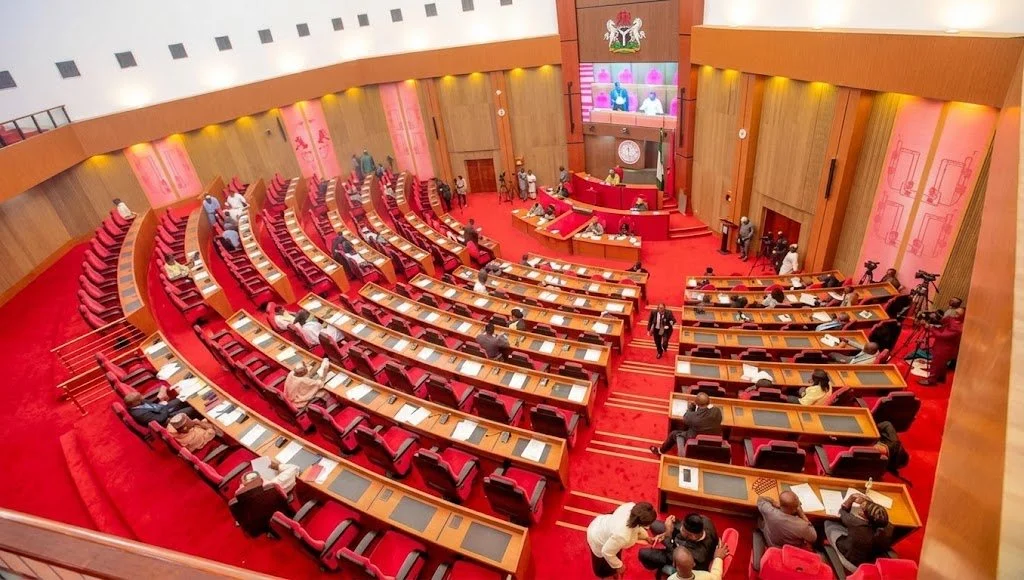
The Senate has rejected a proposal to revive the failed Nigeria Air project and shifted attention to direct air links between Nigeria and China.
At plenary on Tuesday, November 3, 2026, lawmakers turned down the idea of bringing back the Nigeria Air contracts awarded under former aviation minister Hadi Sirika. Instead, they asked the Federal Government to renegotiate and enforce the Bilateral Air Services Agreement between Nigeria and China.
According to the Senate, the priority should be securing reciprocal direct-flight access for Nigerian airlines to operate routes to China. The motion was sponsored by Senate Chief Whip Tahir Monguno, who said the bilateral agreement was originally meant to establish scheduled direct flights between both countries.
The Senate’s position marks a clear shift from trying to revive the national carrier plan to pressing for market access under an existing international aviation framework. Lawmakers argued that Nigerian airlines should be able to benefit directly from the Nigeria-China route if the bilateral agreement is to work on equal terms.
Senate President Godswill Akpabio said Nigeria may need to reconsider privileges granted to Chinese airlines if Nigerian carriers do not receive reciprocal access. That comment underlined the chamber’s demand for balance in the aviation relationship between the two countries.
The decision means the Senate is not supporting a return to the Nigeria Air arrangement in its previous form. Its immediate focus is now on whether the Federal Government can secure enforceable terms that allow Nigerian airlines to fly directly to China under the bilateral agreement.
Why it matters
The Senate’s move brings two major aviation issues into one decision: the future of the abandoned Nigeria Air project and Nigeria’s access to a key international route. Rather than backing a revival of the failed national carrier plan, lawmakers are asking the government to pursue direct commercial access for Nigerian airlines through an existing agreement.
That matters because it shifts the debate from setting up a state-backed airline project to enforcing reciprocity in international air transport. It also places pressure on aviation authorities to show whether bilateral agreements are delivering equal opportunities for Nigerian operators.
What it means for your money
There is no immediate personal-finance impact confirmed in the Senate decision. For businesses and travellers, any effect would depend on whether direct Nigeria-China flights by Nigerian airlines are eventually secured and launched.
-
Attention will now turn to the Federal Government’s response to the Senate’s call for renegotiation and enforcement of the Nigeria-China Bilateral Air Services Agreement. It will also be important to watch whether aviation authorities pursue reciprocal access for Nigerian carriers or review existing privileges for Chinese airlines. For now, the Senate has stated its position, but implementation depends on executive action.
The Senate has ruled out reviving the failed Nigeria Air project and instead wants the government to press for direct, reciprocal flight access for Nigerian airlines on China routes. The next step is whether that demand is acted on through Nigeria’s bilateral aviation arrangements with China.
Five stories, the key numbers, and why they matter. Free, no ads.
Subscribe free