-
Nigeria’s public schools had 31,827,244 learners and 592,077 teachers as of August 2026, giving a national learner-teacher ratio of 53.8 to one, according to Federal Ministry of Education data. On Wednesday, Education Minister Tunji Alausa said the Federal Government had introduced Inspire Live, a virtual teaching platform for underserved schools and communities lacking subject teachers, with zero-rated data support arranged through the Nigerian Communications Commission.
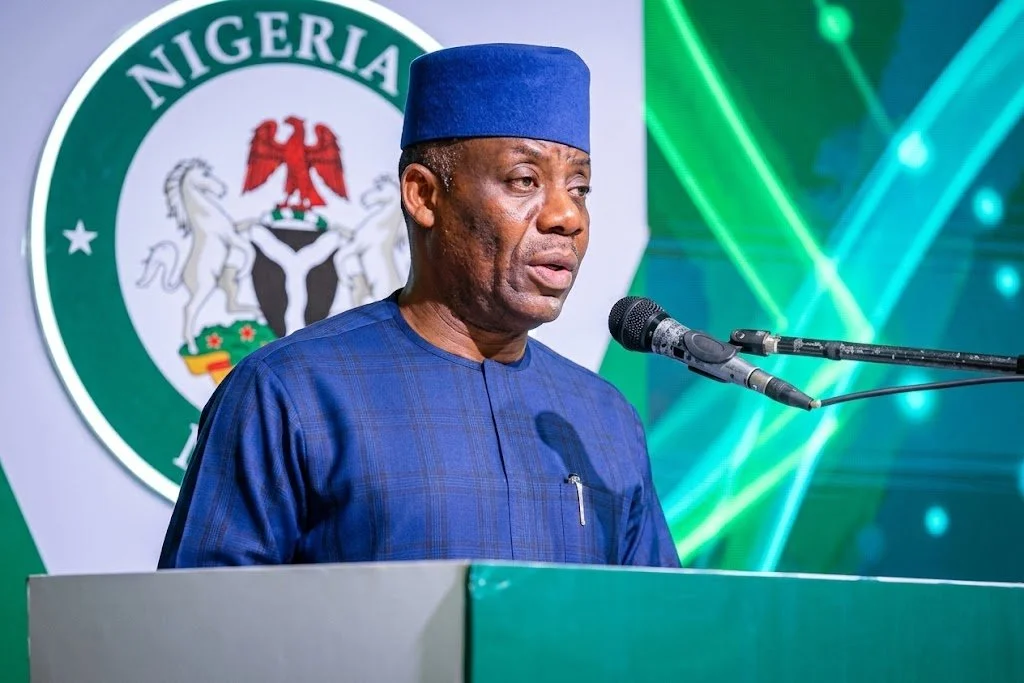
The Federal Government says it has introduced a virtual teaching initiative, Inspire Live, to help underserved schools and communities that do not have enough subject teachers.
Education Minister Tunji Alausa said the platform will connect pupils in primary, junior secondary and senior secondary schools to live interactive lessons delivered remotely by qualified teachers.
The rollout comes against the backdrop of a wide staffing gap in public education. Federal Ministry of Education data obtained in August 2026 showed that 31,827,244 public-school learners were being served by 592,077 teachers, translating to a national learner-teacher ratio of 53.8 to one.
According to the minister, Inspire Live will cover core curriculum subjects including English Language, Mathematics, Social Studies, Civic Education, Nigerian History, Physics, Chemistry and Biology.
Alausa said the government worked with the Nigerian Communications Commission to provide zero-rated data for students using the platform. That means learners on the service will be able to access the lessons without standard data charges on the supported arrangement.
The initiative is aimed at schools and communities where teacher shortages have made it difficult for pupils to receive instruction across the full range of subjects required in the curriculum.
By using remote, live teaching rather than recorded-only content, the government says the platform is designed to give learners access to interactive lessons from qualified teachers even when those teachers are not physically present in their schools.
Why it matters
The announcement speaks directly to one of the biggest pressures in Nigeria’s public education system: too many learners for too few teachers. With a national average of 53.8 learners to one teacher in public schools, any effort to extend access to qualified subject teaching could matter most in places where schools cannot fill teaching gaps in science and other core subjects.
It also signals a policy shift toward using digital delivery to support basic and secondary education, especially in underserved communities rather than only in urban, better-resourced schools.
What it means for your money
For families and students using the platform, the most immediate financial relevance is the zero-rated data arrangement announced by the minister in collaboration with the Nigerian Communications Commission. Beyond that, no direct personal-finance impact has been stated in the brief.
-
What matters next is how widely Inspire Live is deployed and how many underserved schools are brought onto the platform. It will also be important to watch whether the zero-rated data arrangement is sustained in practice and how reliably pupils can access live lessons across primary, junior secondary and senior secondary levels.
With public schools averaging 53.8 learners per teacher, the Federal Government is turning to live virtual lessons to help underserved schools access teaching across key curriculum subjects, backed by a zero-rated data arrangement.
Five stories, the key numbers, and why they matter. Free, no ads.
Subscribe free