-
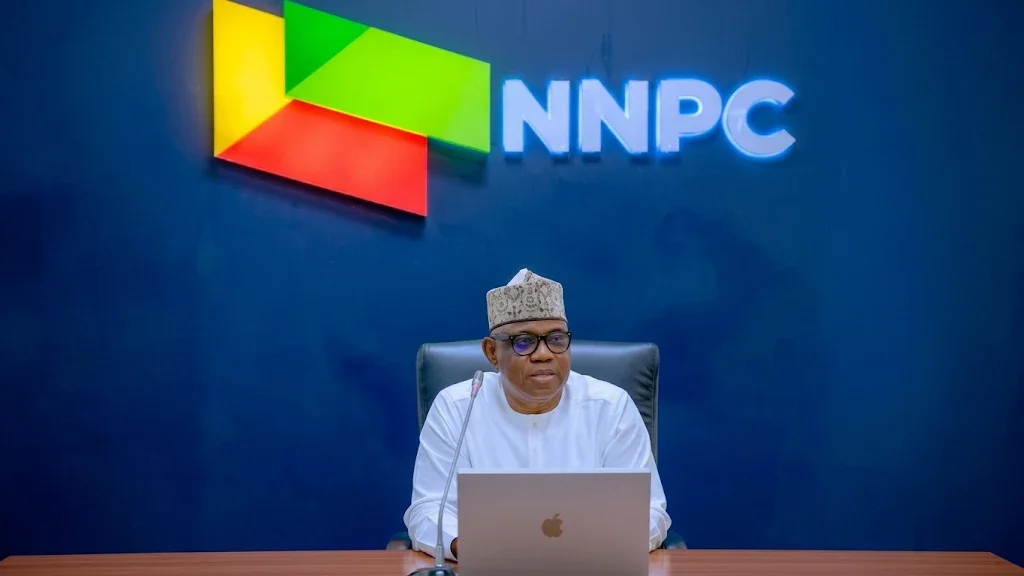
NNPC Limited says its gas transportation network did not cause the recent fall in electricity generation, adding that its gas production volumes are up by about 10 percent year-to-date in 2026. The company issued the clarification after the Nigerian Independent System Operator and the Ministry of Power linked lower generation partly to limited gas availability and reduced hydro inflows.
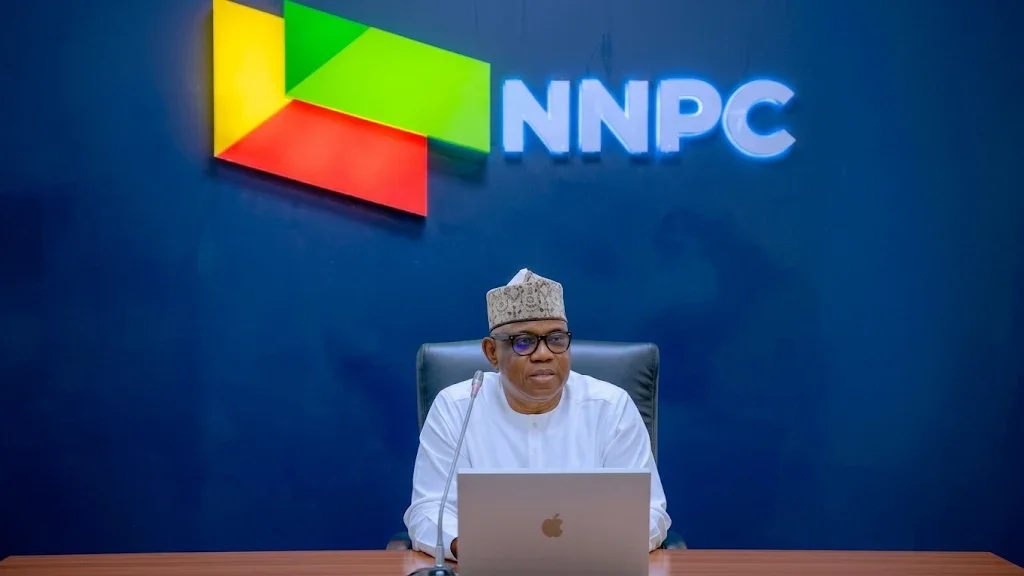
NNPC Limited has pushed back against claims that its gas transportation network is responsible for the recent drop in electricity generation in Nigeria.
In a clarification, the company said its gas transportation infrastructure had no operational constraints that could explain the decline in power generation. It said operational records from NNPC Gas Infrastructure Company Limited did not show any transportation-related bottlenecks linked to the fall in output.
The response followed statements by the Nigerian Independent System Operator and the Ministry of Power, which had connected lower electricity generation partly to limited gas availability and reduced hydro inflows.
NNPC also said its gas production volumes have grown by about 10 percent year-to-date in 2026. By highlighting higher production and the absence of transport constraints in its records, the company argued that the cause of the generation drop should be looked for elsewhere within the gas-to-power chain.
Rather than accept blame for the shortfall, NNPC called for a coordinated review of operational data across the entire chain. It said gas suppliers, transporters, power generation companies and NISO should jointly examine the records to identify the actual constraints affecting electricity supply.
The statement points to a disagreement among key energy-sector institutions over where the present weakness in power generation is coming from. While public comments from the power side cited gas availability as part of the problem, NNPC’s position is that its own infrastructure and operational data do not support the claim that gas transport limitations are behind the decline.
That leaves the immediate issue unresolved, even as the broader concern remains the same: lower generation on the grid and continued pressure on electricity supply.
Why it matters
This matters because gas supply is central to Nigeria’s electricity system, and conflicting accounts from major sector agencies can complicate efforts to fix power shortages quickly. NNPC’s position shifts attention from pipeline transport to other possible pressure points in the gas-to-power chain, while also underlining that reduced hydro inflows were part of the explanation already cited by power authorities.
What it means for your money
For households and businesses, the immediate personal-finance effect is not yet clear from the available facts. What is clear is that continued weakness in electricity generation can affect power availability, which may in turn influence operating conditions for homes and firms that rely on the grid.
-
The key next step is the coordinated review of operational data that NNPC has proposed across gas suppliers, transporters, power generators and NISO. Readers should watch for any joint findings from those institutions that identify the specific bottlenecks behind the generation decline. It will also be important to monitor whether the Ministry of Power, NISO or NNPC provides fresh operational updates that narrow the disagreement.
NNPC says its gas transport network did not cause the recent drop in electricity generation and notes that gas production is up about 10 percent so far in 2026. The immediate issue now is whether a joint data review can pinpoint the real constraints in Nigeria’s gas-to-power chain.
Five stories, the key numbers, and why they matter. Free, no ads.
Subscribe free