

-
Onion prices saw the sharpest jump in a BusinessDay survey of Lagos food markets for October 2026, with a 100kg bag rising to ₦320,000 from ₦65,000 in September. The survey of Mile 12 and Ketu also showed increases in rice, maize and garri ahead of Nigeria’s next inflation reading.
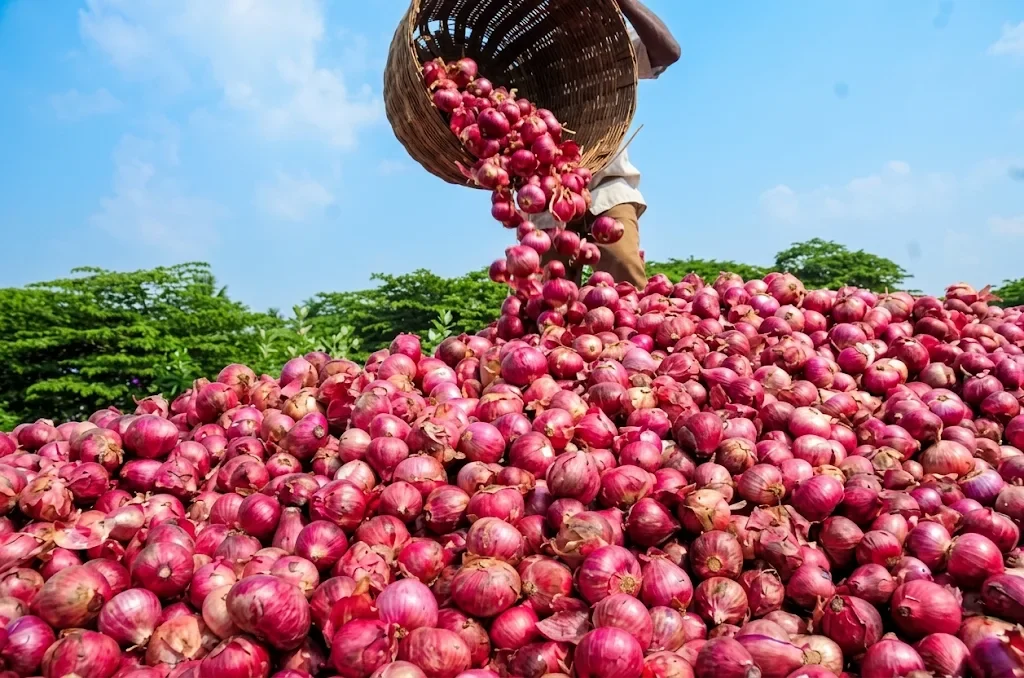
A 100kg bag of onions in Lagos rose to ₦320,000 in October 2026 from ₦65,000 in September, according to a BusinessDay survey of Mile 12 and Ketu markets. That was a 392 per cent month-on-month increase and the steepest jump recorded among the staples tracked in the report.
The survey also found broad increases across other major food items. A 50kg bag of foreign parboiled rice averaged ₦72,000 in October, up from ₦58,000 in September, while local parboiled rice rose to ₦65,000 from ₦54,000.
Maize and garri also became more expensive. A 100kg bag of maize increased to ₦50,000 from ₦28,000, while a 60kg bag of yellow garri rose to ₦24,000 from ₦18,000.
The price movements come after Nigeria’s food inflation rate stood at 19.59 per cent in September 2026, according to National Bureau of Statistics figures cited in the report. That compared with 19.57 per cent in August and 20.31 per cent in July.
Traders cited higher transport costs, tight supply and stronger pre-festive-season demand for the October increases. Analysts quoted by BusinessDay said the fresh market data pointed to the risk of food inflation edging higher in the next official release.
The survey focused on two of Lagos’ best-known food trading hubs, making it a useful snapshot of how staple prices were moving in a major urban market before the next inflation update.
Why it matters
Food prices affect household budgets quickly because staples such as onions, rice, maize and garri are widely consumed. The scale of the onion increase, alongside rises in other items, suggests pressure was not limited to one product and may feed into broader cost-of-living concerns if sustained.
What it means for your money
For households, the immediate effect is higher spending on everyday meals where these staples are used. The brief does not provide direct evidence on wages or transport fares, so any wider personal-finance effect beyond food budgets remains unclear.
-
The next key development to watch is Nigeria’s official inflation release, especially any movement in the food inflation component after the October market increases reported in Lagos. It will also be worth monitoring whether supply conditions and transport costs ease, and whether prices in major markets stabilise or continue rising as festive demand builds.
The clearest takeaway from the Lagos market survey is the exceptional jump in onion prices in October, alongside notable increases in rice, maize and garri. With food inflation already elevated in September, these market movements point to continued pressure on consumer food costs.
Five stories, the key numbers, and why they matter. Free, no ads.
Subscribe free


