

-
Industry stakeholders in Abuja warned on 13 November 2026 that Nigeria’s power market owes gas suppliers more than ₦630 billion for electricity already generated and consumed. They said gas accounts for about 60% to 75% of electricity production cost, while current market proceeds are not enough to pay suppliers sustainably.
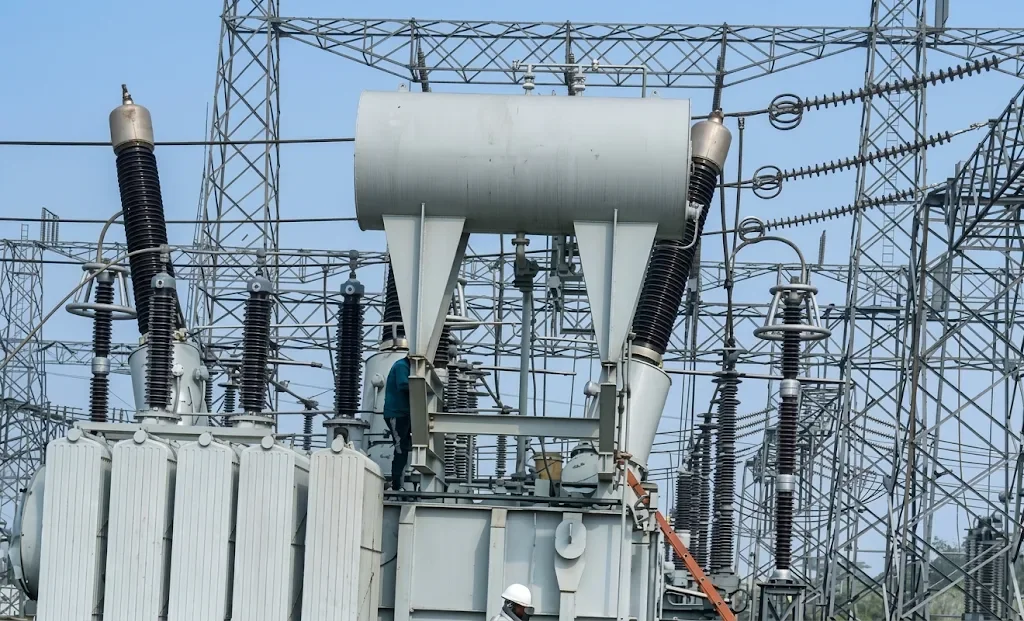
Warnings over Nigeria’s electricity supply widened on Thursday after power sector stakeholders said unpaid gas debts now exceed ₦630 billion, even as gas remains the biggest cost component in power generation.
At the sixth annual conference of the Power Correspondents Association of Nigeria in Abuja, participants said unpaid gas debts, weak infrastructure and inadequate investment in gas could prolong the country’s electricity crisis.
Bashiru Adoke, General Manager, Gas Commercial at the Nigerian National Petroleum Development Company, said the power market owed gas suppliers over ₦630 billion for power that had already been generated and consumed by Nigerians.
He said gas accounts for about 60% to 75% of electricity production cost. According to him, proceeds in the power market are not sufficient to pay gas suppliers on a sustainable basis.
Adoke also warned that government interventions aimed at clearing legacy debt from 2015 to 2025 would not stop fresh liabilities from building up if current payment obligations remain unsettled.
The concerns raised at the conference were not limited to gas supply. A Transmission Company of Nigeria engineering official, Mojeed Akintola, said TCN can only transmit the power produced by generating stations.
He identified right-of-way disputes and vandalism as major constraints on efforts to expand transmission infrastructure.
Taken together, the issues point to pressure across the electricity chain: fuel supply, payment discipline and network expansion. Stakeholders said those weaknesses could continue to weigh on electricity supply if they are not addressed together.
Why it matters
The warning matters because it links Nigeria’s electricity shortfalls to both unpaid gas bills and grid constraints. If gas suppliers are not paid sustainably, and transmission expansion remains limited, the power system may struggle to improve supply even when demand remains high.
What it means for your money
There is no direct personal-finance measure in the brief. However, the warning suggests continued risk to power supply conditions that affect homes and businesses.
-
What to watch is whether current payment obligations in the power market begin to improve, since stakeholders warned that clearing older debt alone will not stop new liabilities from accumulating. It is also worth monitoring whether right-of-way disputes and vandalism continue to slow transmission expansion, because TCN said it can only wheel power that generating stations produce.
The key issue raised in Abuja is that Nigeria’s electricity chain remains under strain from more than ₦630 billion in unpaid gas debts, high gas-related generation costs and transmission constraints.
Five stories, the key numbers, and why they matter. Free, no ads.
Subscribe free


