-
The Federal Government plans to raise the number of CNG-enabled vehicles in Nigeria from 143,000 to 273,000 by February 2027, according to reports published on November 17, 2026. The target means adding 130,000 vehicles in about six months, even as officials cited conversion costs, electoral activities and limited tracking of private-sector conversions as risks to meeting it.
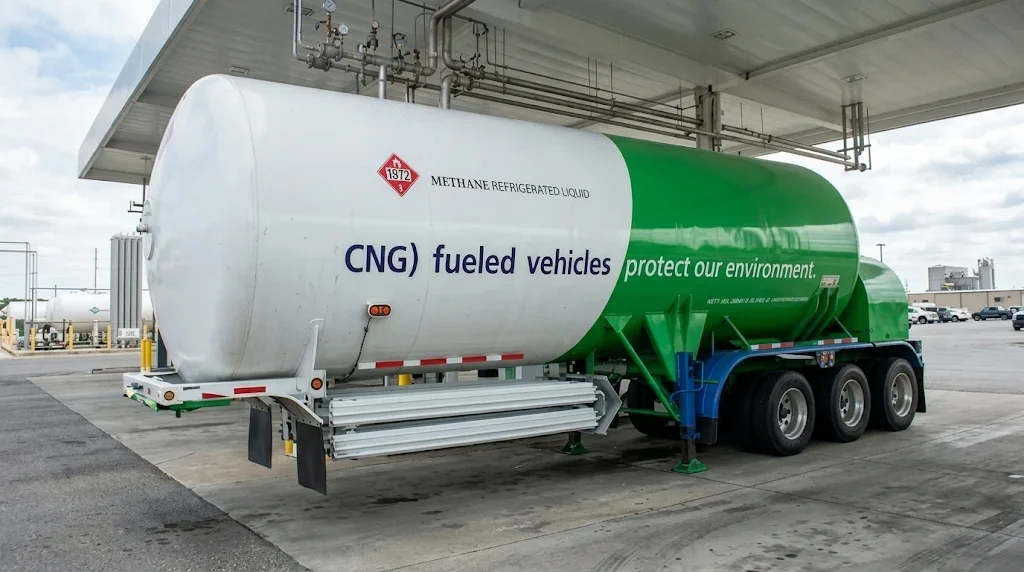
The Federal Government, through the Presidential Initiative on Compressed Natural Gas & Electric Vehicle, is targeting a sharp increase in CNG-enabled vehicles across Nigeria by February 2027.
Reports published on November 17, 2026 said the plan is to move from 143,000 CNG-enabled vehicles to 273,000 within about six months. That amounts to an additional 130,000 vehicles, or a 91 per cent rise from the current level cited in the reports.
The push comes as government continues to promote compressed natural gas as a cheaper alternative to petrol after subsidy removal. The development is especially relevant to motorists and transport operators, who are among the main users expected to benefit from wider adoption if conversions become more accessible.
However, officials also acknowledged obstacles to the target. The reported risks include the cost of converting vehicles, rising electoral activities and limited tracking of private-sector conversion figures. The reports also noted concerns around affordability and safety standards in the conversion process.
At the same time, private-sector investment linked to the programme has risen strongly. BusinessDay reported that investment had grown from 500 million dollars in 2023 to more than 2.6 billion dollars in 2026.
That contrast highlights both the scale of interest in the programme and the practical challenge of getting more vehicles converted within the stated timeframe.
Why it matters
The target gives a clearer sense of the scale of the government’s CNG drive: nearly doubling the number of enabled vehicles in about six months. It also shows that while investment has increased, cost and implementation issues still matter if adoption is to spread beyond early movers.
What it means for your money
For most Nigerians, the direct financial issue is transport fuel cost. CNG is being promoted as a cheaper alternative to petrol, but the reported conversion cost and affordability concerns remain a barrier for many vehicle owners and transport operators.
-
What merits close watch now is whether vehicle conversions accelerate fast enough to bridge the 130,000-vehicle gap before February 2027. It will also be important to monitor whether officials provide clearer tracking of private-sector conversions and how safety-standard and affordability concerns are addressed.
Nigeria’s CNG programme is aiming for a 91 per cent rise in enabled vehicles by February 2027, but the pace of conversions, their cost and the quality of implementation will determine whether that goal is achieved.
Five stories, the key numbers, and why they matter. Free, no ads.
Subscribe free