Energy
-
The Federal Government has commissioned a 1MW solar mini-grid in Tallasse, Balanga Local Government Area of Gombe State, and begun work on four more interconnected mini-grid projects across the state. The Tallasse plant includes a 2.4MWh battery energy storage system and, according to the Rural Electrification Agency, serves 6,028 connections, showing the scale of off-grid power now being deployed to homes, businesses and productive users.
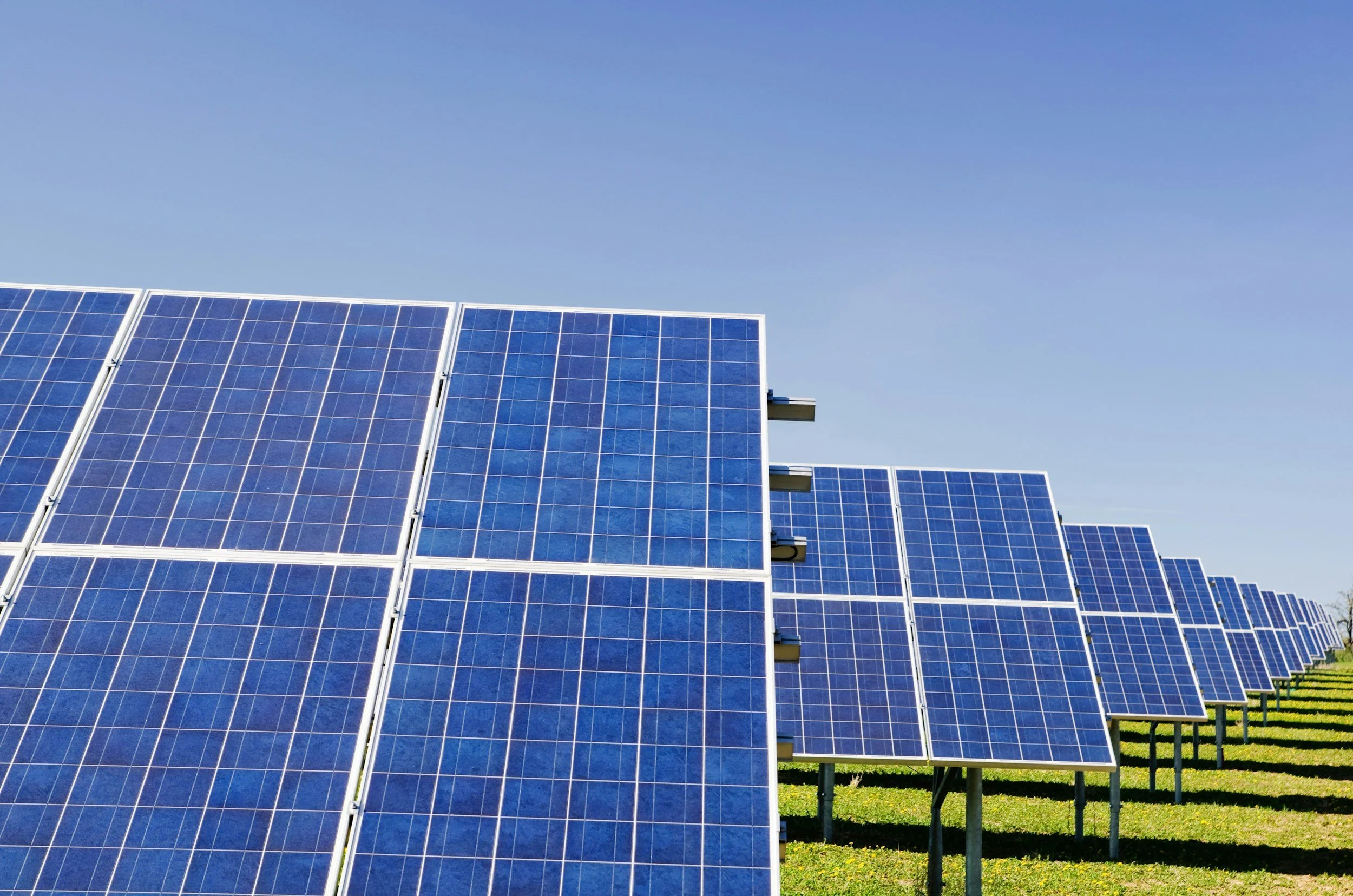
The Federal Government has commissioned a 1MW solar mini-grid in Tallasse, Balanga Local Government Area of Gombe State.
The Tallasse facility includes a 2.4MWh battery energy storage system. The project adds battery-backed solar power to the community and forms part of the government’s wider push to expand electricity supply through mini-grids.
At the same time, the government has begun construction of four interconnected mini-grid projects in Gombe State with a combined capacity of 16MW. The projects are planned for Dukku, Bajoga, Kumo and Kaltungo communities.
According to the Managing Director of the Rural Electrification Agency, Abba Aliyu, the 1MW Tallasse project serves 6,028 connections. He said these include 5,929 residential units, 84 commercial connections and 15 productive-use nodes.
The latest development means Gombe is now hosting both a newly commissioned solar mini-grid and a fresh round of construction on larger interconnected mini-grid systems. Based on the confirmed details released, the projects are aimed at extending electricity access beyond the main grid and supporting homes, small businesses and other economic activity.
Mini-grids are local electricity systems that can supply communities or clusters of users without depending entirely on the national grid. In this case, the Tallasse project combines solar generation with battery storage, which can help manage supply when sunlight is low and improve reliability within the mini-grid system.
Why it matters
Nigeria’s electricity shortfall has kept many homes and businesses reliant on generators or limited power supply. New mini-grids matter because they offer another route to electricity access, especially in communities that may not have stable grid power.
The confirmed connection figures for Tallasse also show that these projects are not only for households. They cover residential users, commercial users and productive-use nodes, which can support local economic activity where power availability has been a constraint.
The start of four more projects with a combined 16MW capacity suggests that the government is trying to scale this model within Gombe State, not treat it as a single pilot.
What it means for your money
For households and businesses already connected to the Tallasse mini-grid, the main personal-finance relevance is potential access to a more reliable local power source. The research brief does not provide tariff details, connection costs or any direct savings figures, so there is no confirmed basis to say how much consumers may save.
-
The next key point to watch is progress on the four interconnected mini-grid projects planned for Dukku, Bajoga, Kumo and Kaltungo. Readers should also watch for official updates from the Rural Electrification Agency or the Federal Government on construction timelines, commissioning dates and the number of users each project is expected to serve.
Five stories, the key numbers, and why they matter. Free, no ads.
Subscribe free