-
The Federal Government has agreed to pay federal public service workers a ₦70,000 monthly transport allowance for six months, starting in November 2026, after talks with the Nigeria Labour Congress over rising living costs and threatened industrial action. But organised labour pressure has not eased, with the Trade Union Congress rejecting the temporary measure and calling instead for salary increases and implementation of the JOHESU agreement.
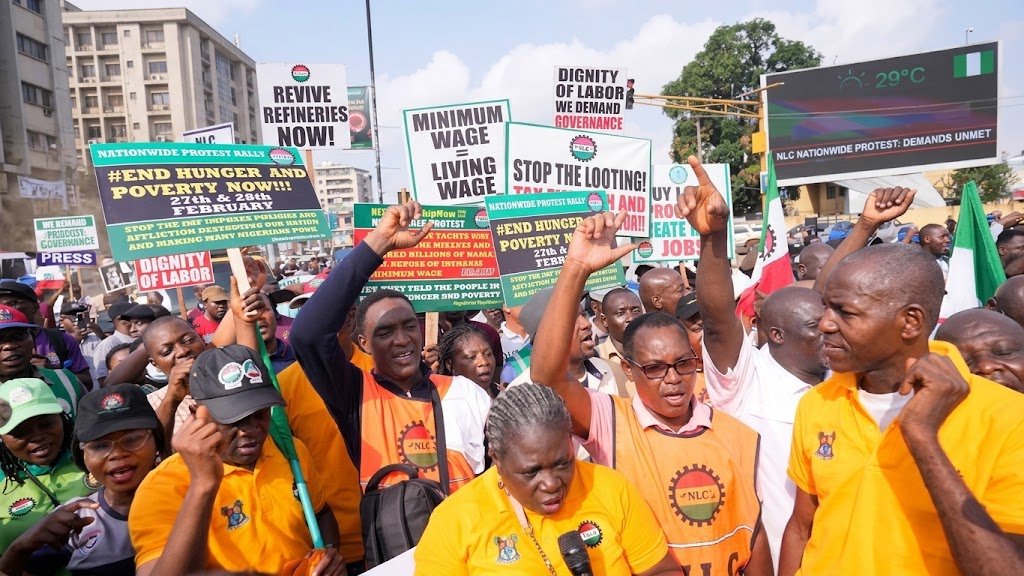
BThe Federal Government has approved a ₦70,000 monthly transport allowance for federal public service workers for a six-month period, in a fresh effort to ease pressure from rising living costs.
The allowance is due to begin in November 2026. The decision followed negotiations with the Nigeria Labour Congress, which had raised concerns over worsening cost pressures and threatened industrial action.
Beyond the transport support, the government also pledged to clear outstanding peculiar-allowance arrears in three monthly instalments. It further agreed to settle 19 months of health workers’ allowance arrears within three months from December.
The latest arrangement shows the government is trying to respond to immediate worker concerns without committing, for now, to a broader wage adjustment across the federal public service.
However, the offer has not ended labour agitation. The Trade Union Congress rejected the temporary transport allowance, arguing that workers need more durable relief. It is demanding salary increases and implementation of the JOHESU agreement instead.
That leaves the government facing continued pressure from organised labour, even after reaching an accord with the Nigeria Labour Congress. The gap between a short-term allowance and union demands for structural wage relief remains a central issue in the current negotiations over worker welfare.
Why it matters
This development matters because it directly affects federal workers at a time of sustained pressure on household budgets. A transport allowance can offer short-term breathing room, but the response from the Trade Union Congress shows that many unions see the problem as wider than commuting costs.
It also matters for labour stability in the public sector. The agreement with the Nigeria Labour Congress may help reduce the immediate risk of disruption, but the rejection by the Trade Union Congress suggests broader tensions over pay and unresolved agreements are still in play.
What it means for your money
For eligible federal public service workers, the immediate effect is a temporary monthly addition of ₦70,000 from November 2026 for six months. Workers covered by the arrears commitments may also see overdue payments cleared in instalments, including peculiar-allowance arrears and health workers’ allowance arrears.
For most other Nigerians, there is no direct personal-finance impact from this announcement based on the confirmed facts available.
-
Attention will now turn to whether the November 2026 start date for the transport allowance is met as agreed. It will also be important to watch implementation of the promised arrears payments, including the three-instalment plan for peculiar allowances and the settlement of 19 months of health workers’ allowance arrears within three months from December.
Labour response is another key area to monitor, especially whether the Trade Union Congress maintains pressure for salary increases and implementation of the JOHESU agreement.
The government’s ₦70,000 monthly transport allowance offers temporary relief for federal workers and is backed by promises to clear key arrears, but labour dissatisfaction has not been resolved. With some unions still pushing for broader wage action, implementation and further negotiations will be crucial.
Five stories, the key numbers, and why they matter. Free, no ads.
Subscribe free