

SAVINGS
Saving money in Nigeria can feel almost impossible when you're juggling rent, food, transport, electricity, and other expenses. But what happens when an unexpected bill arrives?
An emergency fund can help you handle financial surprises without immediately turning to loans or borrowing from friends and family.
And you don't need to earn millions to start building one.
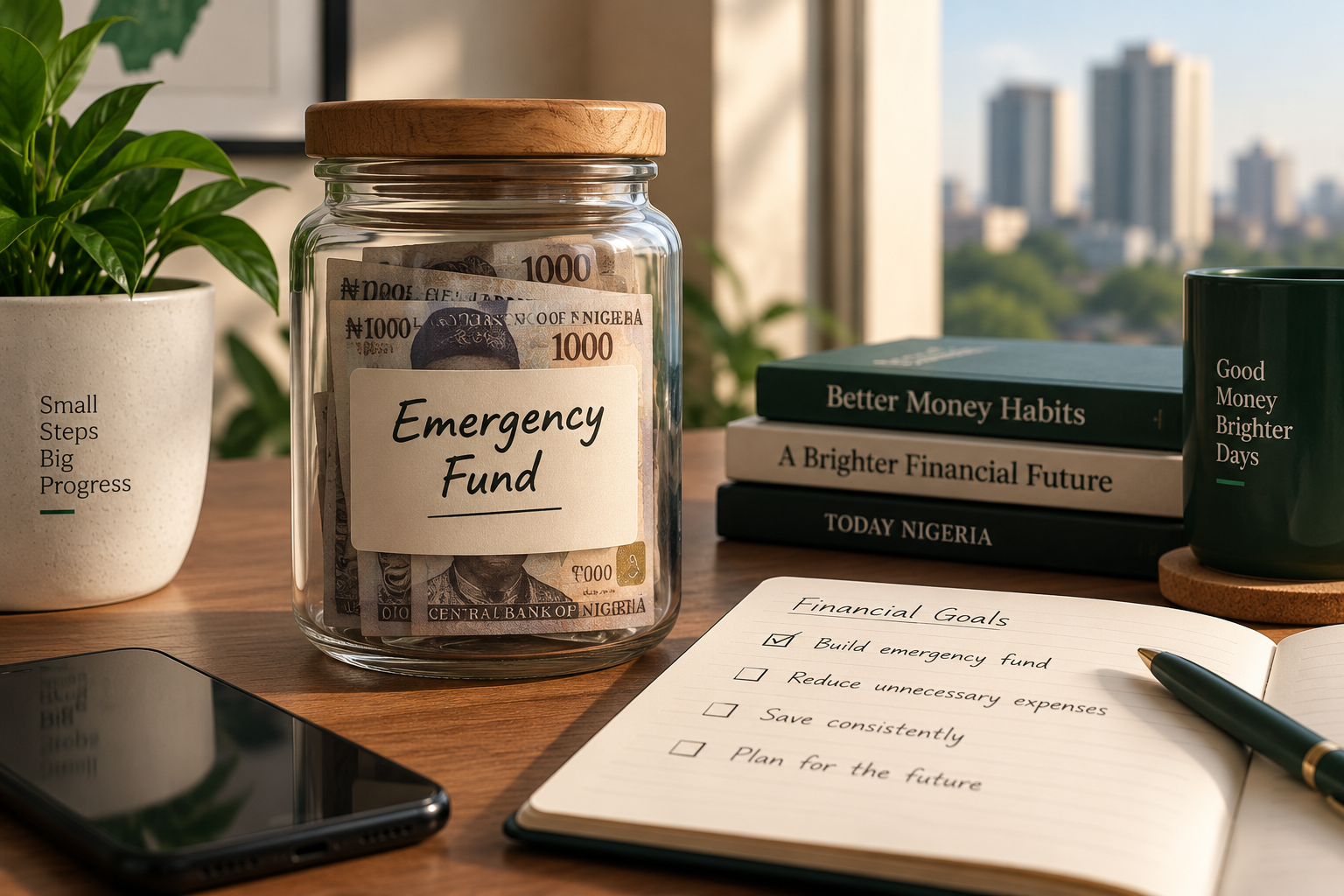
An emergency fund is money set aside specifically for unexpected expenses, such as medical bills, job loss, or urgent repairs. Ideally, it should cover three to six months of essential living expenses, but you can start with whatever amount you can afford. The most important thing is to save consistently and keep the money somewhere safe and easily accessible.
How Much Should You Have in an Emergency Fund?
The amount you need depends on your monthly expenses, not necessarily your salary.
For example, if your essential expenses—including rent, food, transport, and utilities—total ₦150,000 monthly, a three-month emergency fund would be ₦450,000.
That might sound like a lot, especially if you're starting from zero.
Instead of trying to save the entire amount immediately, begin with a smaller target, such as ₦20,000, ₦50,000, or ₦100,000.
Once you reach that target, work toward saving enough to cover one month of expenses, then gradually build toward three to six months.
People with irregular income or greater financial responsibilities may benefit from keeping a larger buffer.
How to Build an Emergency Fund on a Small Salary
You don't need a complicated savings strategy. Start with these practical steps.
1. Start With an Amount You Can Afford
Even ₦5,000 or ₦10,000 monthly can make a difference over time.
If you save ₦10,000 every month, you'll have ₦120,000 after one year, excluding interest.
The goal is to develop a habit you can maintain without neglecting essential expenses.
2. Save Before You Spend
Instead of waiting until the end of the month to see what's left, move a realistic amount into savings as soon as you receive your salary.
You can automate the transfer through your bank or savings platform.
3. Keep Your Emergency Savings Separate
Having your emergency fund in your everyday spending account makes it easier to use the money unintentionally.
A separate account can help you avoid unnecessary withdrawals while keeping the funds accessible.
4. Add Unexpected Income
Received a bonus, cash gift, or additional freelance payment?
Consider putting a portion into your emergency fund rather than spending everything immediately.
Small additions can help you reach your target faster.
Where Should You Keep Your Emergency Fund?
Your emergency fund should be safe, accessible, and relatively easy to withdraw when needed.
A separate savings account with a regulated bank is one practical option.
You can also consider other low-risk, liquid savings products, but always check withdrawal conditions, fees, and the institution's regulatory status.
The Nigeria Deposit Insurance Corporation (NDIC) provides deposit insurance protection for eligible deposits in licensed financial institutions, subject to applicable coverage limits.
Avoid putting your entire emergency fund into stocks, long-term investments, or products that lock your money away.
Remember, the purpose of this money is financial security, not maximum investment returns.
When Should You Use Your Emergency Fund?
An emergency fund is meant for unexpected and necessary expenses.
Examples include urgent medical treatment, essential household repairs, or covering living expenses after losing your job.
It shouldn't normally be used for planned purchases, holidays, or everyday spending.
If you withdraw from your emergency fund, make rebuilding it a priority once your finances stabilise.
Frequently Asked Questions
Can I start an emergency fund with ₦5,000?
Yes. There's no universal minimum amount. Starting small and saving consistently is better than waiting until you can afford a large contribution.
Should I save or invest first?
If you have no financial safety net, building an emergency fund is generally a sensible first step before committing money to investments that may fluctuate in value or be difficult to access.
What Should You Do Next?
Start by calculating how much you spend on essential expenses each month.
Choose a realistic first savings target, open a separate savings account if necessary, and set up a regular transfer.
You don't have to build your emergency fund overnight.
The goal is simple: Give yourself enough financial breathing room so that one unexpected expense doesn't become a financial crisis.
Five stories, the key numbers, and why they matter. Free, no ads.
Subscribe free