

SAVINGS & BUDGETING
Earning ₦200,000 a month in Nigeria can feel like a constant balancing act. Between rent, food, transport, electricity, and family responsibilities, your salary can disappear before the month ends.
But having a budget can help you understand where your money goes, control unnecessary spending, and possibly save something—even when money is tight.
Here's how to get started.
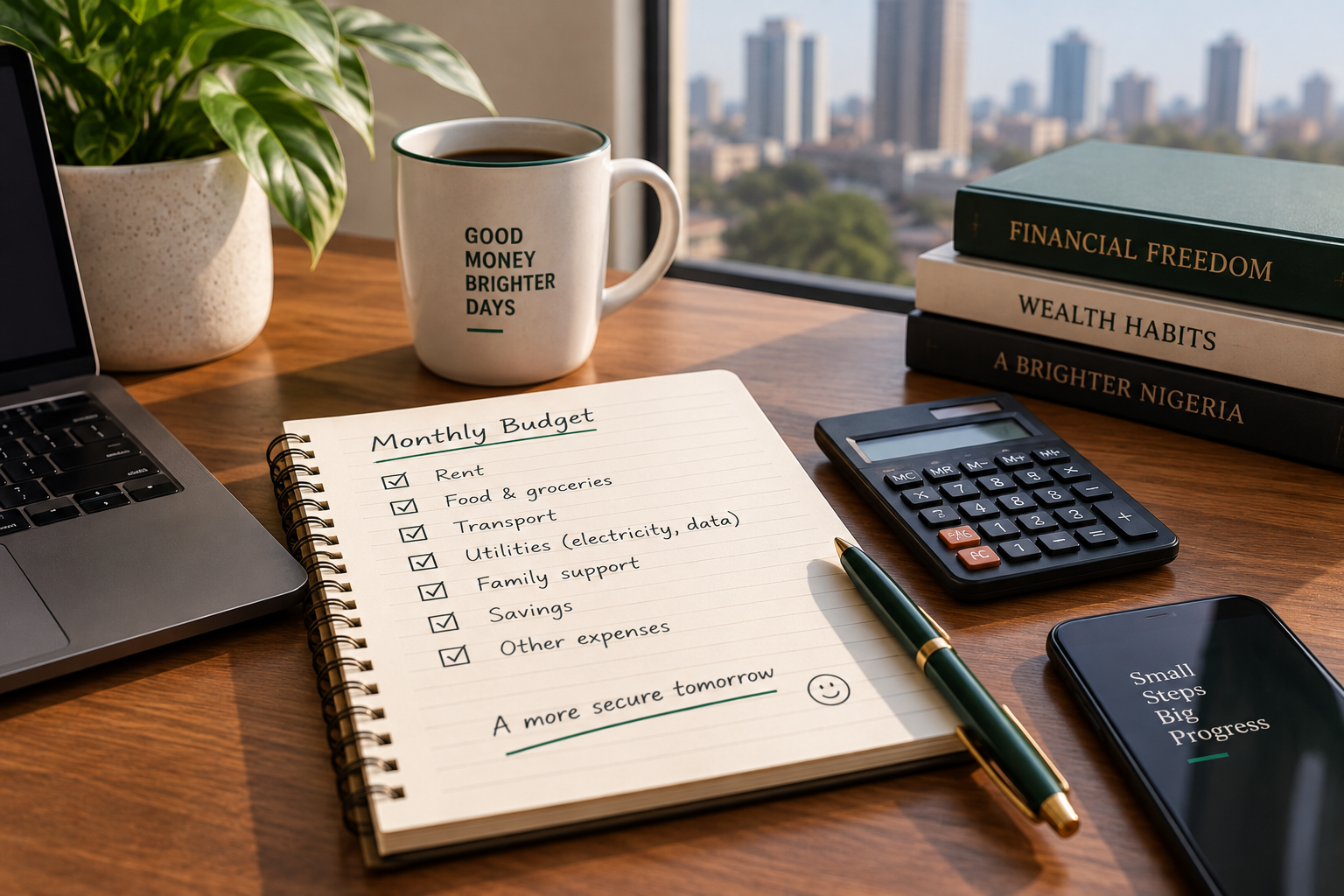
Budgeting a ₦200,000 monthly salary starts with understanding your essential expenses and deciding how much you can realistically allocate to each one. Prioritise housing, food, transport, and utilities before discretionary spending, while setting aside a small amount for savings whenever possible. There's no perfect budgeting formula for everyone, especially with Nigeria's rising living costs, but having a clear spending plan can help you make better financial decisions.
Start With Your Take-Home Salary
Before creating a budget, calculate how much money actually enters your account every month.
If your ₦200,000 salary is before deductions such as tax and pension contributions, your take-home pay will be lower.
Your budget should be based on the amount you receive after deductions, not your gross salary.
Next, identify your essential expenses. These typically include rent, food, transport, electricity, data, and any existing debt repayments.
An Example ₦200,000 Monthly Budget
Here's one possible way to divide a ₦200,000 take-home salary:
Rent savings: ₦50,000
Food and groceries: ₦60,000
Transportation: ₦30,000
Electricity, data and utilities: ₦20,000
Family support: ₦15,000
Emergency savings: ₦10,000
Other expenses: ₦15,000
Total: ₦200,000
In this example, setting aside ₦50,000 monthly for rent gives you ₦600,000 over 12 months.
This is only an illustration. Your actual expenses will depend on where you live, your household size, transportation needs, and financial responsibilities.
For someone renting in a more expensive part of Lagos or Abuja, these allocations may not be realistic.
How to Make Your Budget Work
1. Separate Needs From Wants
Essential expenses should come first. These include food, housing, transport to work, and necessary bills.
Subscriptions, frequent takeaways, and unnecessary purchases can be reviewed when money is tight.
2. Plan for Annual Expenses
Rent, school fees, and other large bills shouldn't come as surprises.
If you pay rent annually, divide the amount by 12 and set aside money monthly.
3. Save What You Can Afford
You don't necessarily need to save 20% of your salary.
Even ₦5,000 or ₦10,000 monthly can help you gradually build an emergency fund.
The Central Bank of Nigeria encourages personal budgeting, prioritising essential needs, and developing consistent savings habits as part of financial literacy.
4. Track Your Spending
Review your bank transactions at the end of each week.
You might discover that small, frequent purchases are consuming more money than expected.
Tracking expenses helps you identify where adjustments are possible.
What if ₦200,000 Isn't Enough?
Sometimes, the problem isn't poor budgeting—it's that your essential expenses exceed your income.
If rent, transport, food, and unavoidable responsibilities already consume your entire salary, cutting minor expenses may not solve the problem.
You may need to explore more affordable housing, shared transportation, additional income opportunities, or ways to reduce major recurring costs.
Avoid relying on expensive short-term loans to cover everyday expenses, as this can make your financial situation harder to manage.
What Should You Do Next?
Start by reviewing your spending from the previous month.
Write down your essential expenses, identify areas where you have flexibility, and create a realistic plan for your next salary.
A good budget isn't about restricting every purchase. It's about making sure your money goes toward the things that matter most.
Five stories, the key numbers, and why they matter. Free, no ads.
Subscribe free