[CATEGORY]
-
President Bola Tinubu has asked the National Assembly to approve a 2026–2027 Supplementary External Borrowing Plan covering $20,517,755,901 and €1,045,083,643. The Presidency said the proposed loans would fund key sectors including infrastructure, agriculture, healthcare, education, water supply, security, jobs and financial management reforms, while Atiku Abubakar has called for fuller project details before any approval.
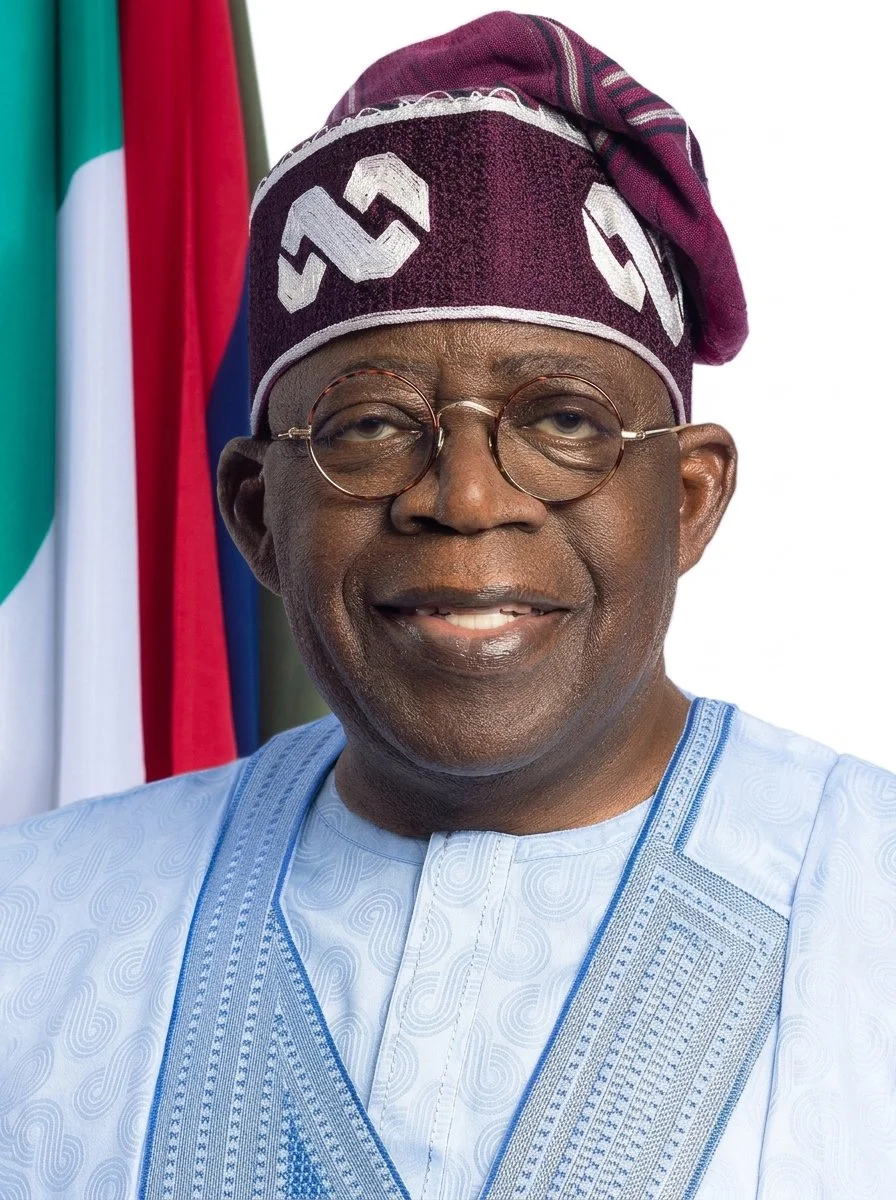
President Bola Tinubu has formally sent a 2026–2027 Supplementary External Borrowing Plan to the National Assembly, seeking approval for fresh foreign loans totalling $20,517,755,901 and €1,045,083,643.
The request was read during Tuesday plenary by Senate President Godswill Akpabio and House Speaker Tajudeen Abbas, bringing the proposal before both chambers for legislative consideration.
According to the Presidency, the proposed borrowing is intended to support spending across several priority areas. These include infrastructure, agriculture, healthcare, education, water supply, security, job creation and financial management reforms.
The request has already drawn political scrutiny. Former Vice-President Atiku Abubakar urged lawmakers not to approve the plan without fuller disclosure of the projects to be financed, their costs, the contractors involved, the terms of the loans and the repayment obligations.
That intervention adds pressure on the National Assembly to examine not only the size of the borrowing request, but also how the funds would be deployed and serviced if approved.
Why it matters
The borrowing request is significant because it points to the Federal Government’s continued reliance on external financing to fund major development priorities. Sectors listed in the proposal, especially infrastructure, agriculture, health and education, are central to economic growth and public welfare.
At the same time, calls for project-by-project details underline a wider public concern about transparency, accountability and debt sustainability. Legislative scrutiny of the proposal will matter not just for approval, but for public confidence in how borrowed funds are used.
What it means for your money
For households and businesses, the direct financial effect will depend on what projects are eventually approved and how quickly funds are deployed. If the borrowing supports productive investments in infrastructure, agriculture, water supply and security, it could ease bottlenecks that affect prices, transport, jobs and business conditions over time.
For now, there is no immediate personal-finance change confirmed by the request alone. The bigger money issue to watch is how any approved loans are structured and how repayment obligations may affect future public finances.
-
The immediate next step is legislative consideration by the Senate and House of Representatives, since the request has already been presented in plenary. Attention is likely to focus on whether lawmakers demand detailed project breakdowns, loan terms and repayment plans before taking a decision.
Public debate may also centre on the balance between development financing needs and concerns over debt transparency and long-term obligations.
Tinubu’s request for approval of more than $20.5 billion and €1.05 billion in external borrowing has moved to the National Assembly, where the core issues will be the planned use of the funds, the terms of the loans and the transparency of the projects they are meant to finance.
Five stories, the key numbers, and why they matter. Free, no ads.
Subscribe free