-
Fewer than 5% of Nigerian children below age three are enrolled in centre-based care, even as World Bank Group officials say the country could add $22.9bn in annual economic output by narrowing gender gaps in economic participation and investing in childcare. The estimate was presented at the National Care Forum in Lagos on Tuesday, November 17, 2026.
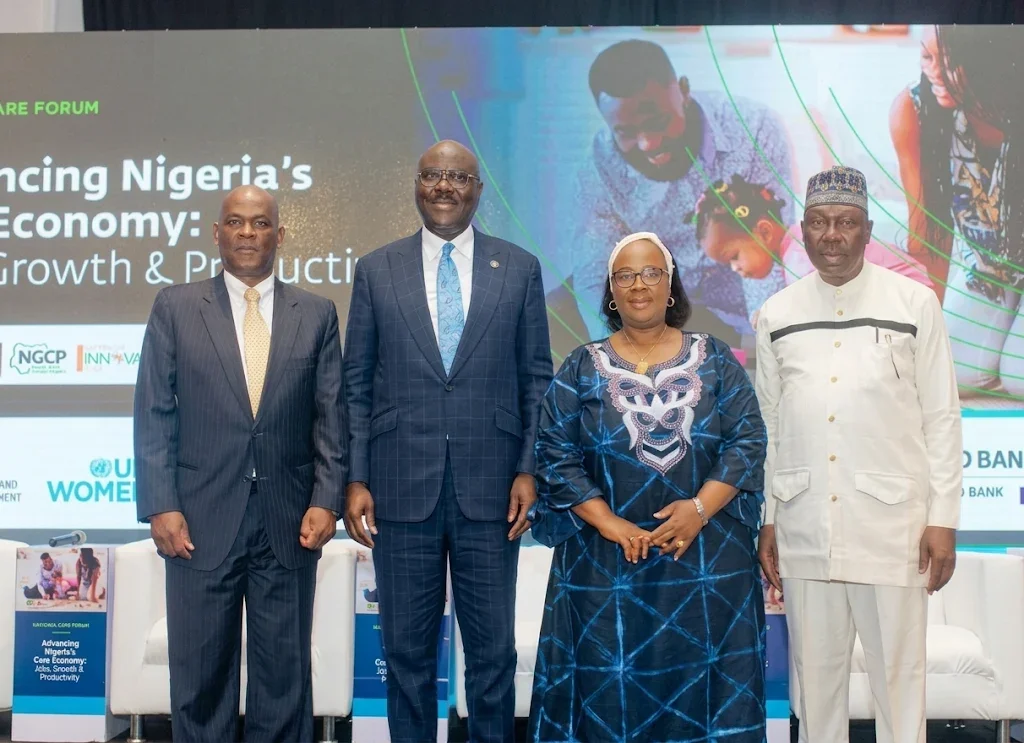
Nigeria’s childcare gap remains wide, with fewer than 5% of children below three years enrolled in centre-based care, according to facts presented at the National Care Forum in Lagos.
At the forum on Tuesday, November 17, 2026, World Bank Group officials said Nigeria could generate an additional $22.9bn in annual economic output by narrowing gender gaps in economic participation and investing in childcare.
The event was themed, “Advancing Nigeria’s Care Economy: Jobs, Growth and Opportunity.” It focused attention on how unpaid care responsibilities and limited childcare access affect work, productivity and business growth.
World Bank Gender Innovation Lab economist Ayodele Fashogbon said Nigerian women spend an average of 76 minutes daily caring for children, compared with 13 minutes for men. The figures point to a large imbalance in care responsibilities within households.
Officials also highlighted the effect on workers and childcare providers. IFC Nigeria Head Christian Mulamula said 67% of working parents believed they would become more productive with better access to quality childcare.
He also said 76% of childcare entrepreneurs lacked access to formal finance, underlining a funding constraint in the sector.
Taken together, the figures show a gap between the potential economic value of childcare investment and the current level of access to care services for young children in Nigeria.
Why it matters
The figures presented at the forum connect childcare to economic output, labour participation and business productivity. They suggest that childcare is not only a social issue but also an economic one, especially when women spend far more time on child care than men and formal care access remains low.
What it means for your money
BODY - [Impact on There is no direct personal-finance change announced for households in this report. However, the officials’ findings indicate that better access to quality childcare could improve productivity for working parents, while limited formal finance remains a challenge for childcare businesses.
-
What to watch next is whether policymakers, development institutions and private operators announce practical steps after the National Care Forum. Key areas include measures to expand access to centre-based childcare, improve financing for childcare entrepreneurs and address the unequal care burden highlighted by the World Bank figures.
Nigeria’s childcare shortfall is significant: fewer than 5% of children under three are in centre-based care, even as officials say closing gender gaps and investing in childcare could unlock $22.9bn in annual economic output.
Five stories, the key numbers, and why they matter. Free, no ads.
Subscribe free