Small bank charges can look harmless until they keep repeating. A fee here, a debit there, and part of your salary disappears before you notice. Many Nigerians only react when the amount becomes painful, but the smarter move is to catch unclear charges early and challenge them while the trail is still fresh.
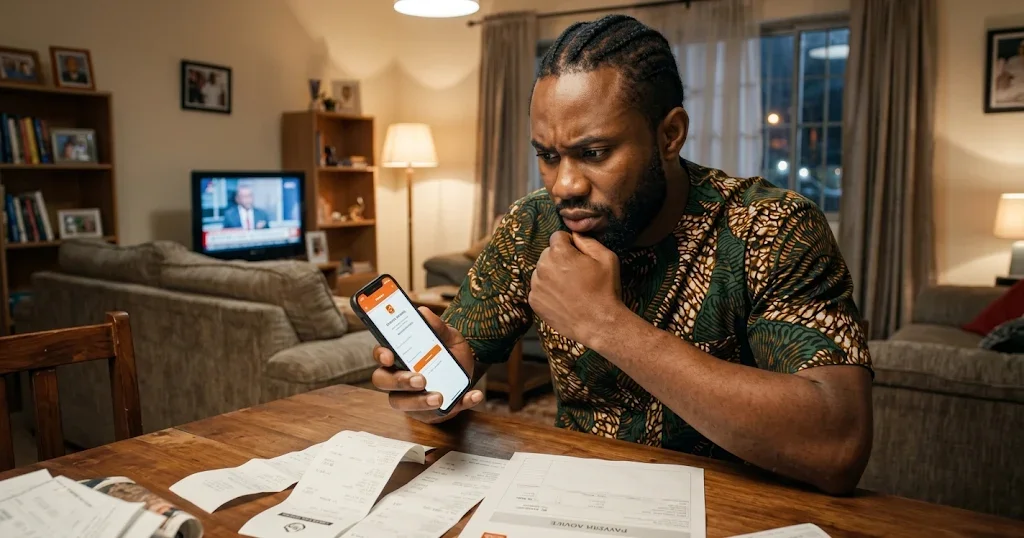
Start with your statement, not your memory
If a charge feels wrong, open your recent account statement and trace the exact entry. Note the date, amount, channel used and the narration attached to the debit. Do not rely on memory or on a rough idea of what your bank usually charges.
This matters because some fees are allowed, some are capped, and some depend on the service used. A statement helps you separate a genuine service charge from a duplicate debit, a failed transaction that was not reversed, or a fee you did not agree to.
Make it a habit to review your statement at least once a month. Free monthly statements are part of the customer protections many Nigerians overlook, yet they are one of the simplest tools for catching money leaks quickly.
Compare the charge with the rule that applies
Before you complain, check whether the charge is one your bank is allowed to collect. The Central Bank of Nigeria publishes a guide to charges for banks and other regulated institutions. That guide is useful because it sets out approved fees, caps and cases where charges are negotiable.
This does not mean every debit on your account is automatically correct. Sometimes the problem is not the existence of the fee but the amount, the timing or the fact that the service did not go through properly. In other cases, a charge may be deferred rather than piled onto an empty account in a way that creates confusion for the customer.
If you cannot tell what a debit means from the narration alone, ask the bank to explain it in plain language. A charge you do not understand is exactly the kind of issue you should query, especially if it repeats.
Complain early and keep your own record
Raise the issue with your bank first through a branch, official email, in-app support or the bank’s complaint desk. State the account number, transaction date, amount and why you believe the charge is wrong. Ask for a written response, not just a verbal promise that it will be checked.
Keep screenshots, emails, reference numbers and copies of any forms you submit. If the matter is not resolved, those records make escalation easier. They also reduce the usual back-and-forth where a customer is asked to start the story again from the beginning.
If the bank does not resolve the complaint within a reasonable time, you can escalate to the Central Bank of Nigeria’s consumer protection channel. Consumer complaints may also be taken to the Federal Competition and Consumer Protection Commission where appropriate. The key is to escalate with evidence, not emotion.
Most importantly, do not normalise unexplained debits. Banks handle millions of transactions, and mistakes can happen. Your job is to notice them fast, ask clear questions and insist on a documented fix.
Do not wait until bank charges become a monthly habit. Read your statement, compare suspicious fees with the official rules, complain in writing and keep records until the issue is resolved.
Five stories, the key numbers, and why they matter. Free, no ads.
Subscribe free