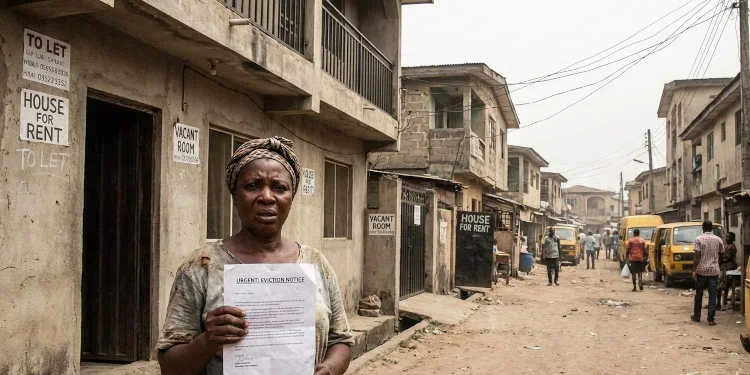
Annual rent is one of the biggest money shocks many Nigerian households face, not because it is unexpected, but because it is easy to postpone planning for it. When rent is months away, school fees, food, transport and small emergencies usually feel more urgent. Then the due date gets close, pressure rises and people start borrowing at bad terms, emptying business capital or selling investments too quickly. A better approach is to treat rent as a monthly bill, even if the landlord collects it once a year.
Turn one large bill into a monthly target
The simplest way to reduce rent pressure is to break the amount into twelve parts. Once you know the total you are likely to pay at renewal, divide it by the number of months left and start setting that amount aside. If your rent is due in less than a year, divide it by the remaining months instead.
This does two things. It makes the problem look smaller, and it shows early whether your current income can realistically carry your housing cost. If the monthly target already looks too heavy, that is useful information. It means the rent problem did not begin at renewal time. It began when the monthly reality stopped matching the annual commitment.
Keep rent money separate from everyday spending
Rent savings should not sit where daily expenses can quietly consume them. If the money stays in the same account you use for transfers, airtime, food and transport, it can disappear in small pieces without a clear decision ever being made.
A separate savings pot creates discipline. It also helps you measure progress. When rent money is mixed with general cash, people often think they are doing fine until another urgent need arrives. Separation makes the trade-off visible and helps you protect housing money from routine pressure.
Build the habit around salary day
The best time to save for rent is immediately after income arrives. Waiting to see what remains at the end of the month usually means rent gets whatever is left after every other demand has taken its share. In many homes, that ends up being too little or nothing at all.
Even an imperfect plan works better than a hopeful one. If the full monthly target is too hard at first, start with a smaller fixed amount and increase it when you can. The point is to create a dependable rhythm before rent season becomes stressful.
Avoid solving rent with expensive short-term debt
When the deadline is close, short-term loans can look like rescue. But rent is not an expense that earns income by itself. If you borrow at a high cost to pay it, next month’s salary may arrive already damaged by repayments, while food, transport and utilities still need attention.
That is how one housing problem becomes a wider cash-flow problem. If borrowing is the only option, the real question is not just whether the money can be found, but whether the repayment will leave the rest of your life unstable. A loan that saves the due date but wrecks the months after it is not a clean solution.
Use renewal time to test whether the house still fits your finances
Rent season is also a budgeting checkpoint. If meeting rent now requires draining emergency savings, delaying school needs or taking on costly debt, it may be a sign that the property no longer fits your income comfortably.
That does not mean moving is easy. But it is often cheaper to make a hard housing decision early than to keep proving every year that the numbers no longer work. A home should support stability, not repeatedly force a financial emergency.
Treat annual rent like a monthly obligation long before it is due. Once you save for it steadily, keep it separate and refuse panic borrowing unless repayment is truly manageable, rent becomes less of a yearly crisis and more of a planned household expense.
Five stories, the key numbers, and why they matter. Free, no ads.
Subscribe free